03-09-2026
The article reports that Yorgen Fenech, a Maltese tycoon, has been acquitted in the prosecution connected to the 2017 car-bomb assassination of investigative journalist Daphne Caruana Galizia. Fenech had pleaded not guilty to allegations that he masterminded the murder. According to the report, he was the final person prosecuted in connection with the killing, making the acquittal a significant development in the long-running case.
Caruana Galizia’s assassination had major political consequences in Malta. Her death prompted public protests and contributed to pressure that ultimately forced Malta’s prime minister to step down. The article presents the killing as an event that not only targeted a prominent journalist but also triggered a national political crisis and widespread public outrage.
The report is brief and does not provide details about the court’s reasoning, the evidence presented during the trial, the prosecution’s arguments, or the legal consequences of the acquittal. It also does not identify the prime minister who resigned or describe the status of any other investigations or convictions related to the murder. Its central focus is the verdict against Fenech and the broader historical significance of Caruana Galizia’s killing.
Overall, the article informs readers of the latest legal outcome in one of Malta’s most consequential criminal and political cases. It links the acquittal to the 2017 murder, Fenech’s denial of responsibility, and the protests and governmental upheaval that followed the journalist’s death.
Entities: Yorgen Fenech, Daphne Caruana Galizia, Malta, Al Jazeera, 2017 car-bomb killing • Tone: neutral • Sentiment: neutral • Intent: inform
03-09-2026
A jury in Malta acquitted businessman Yorgen Fenech of complicity and criminal conspiracy in the 2017 car-bomb assassination of investigative journalist Daphne Caruana Galizia. Prosecutors had alleged that Fenech, one of Malta’s wealthiest businessmen, masterminded the killing by ordering and financing it. The jury voted 8-1 to find him not guilty on both charges, a decision that immediately renewed demands for accountability and institutional reform.
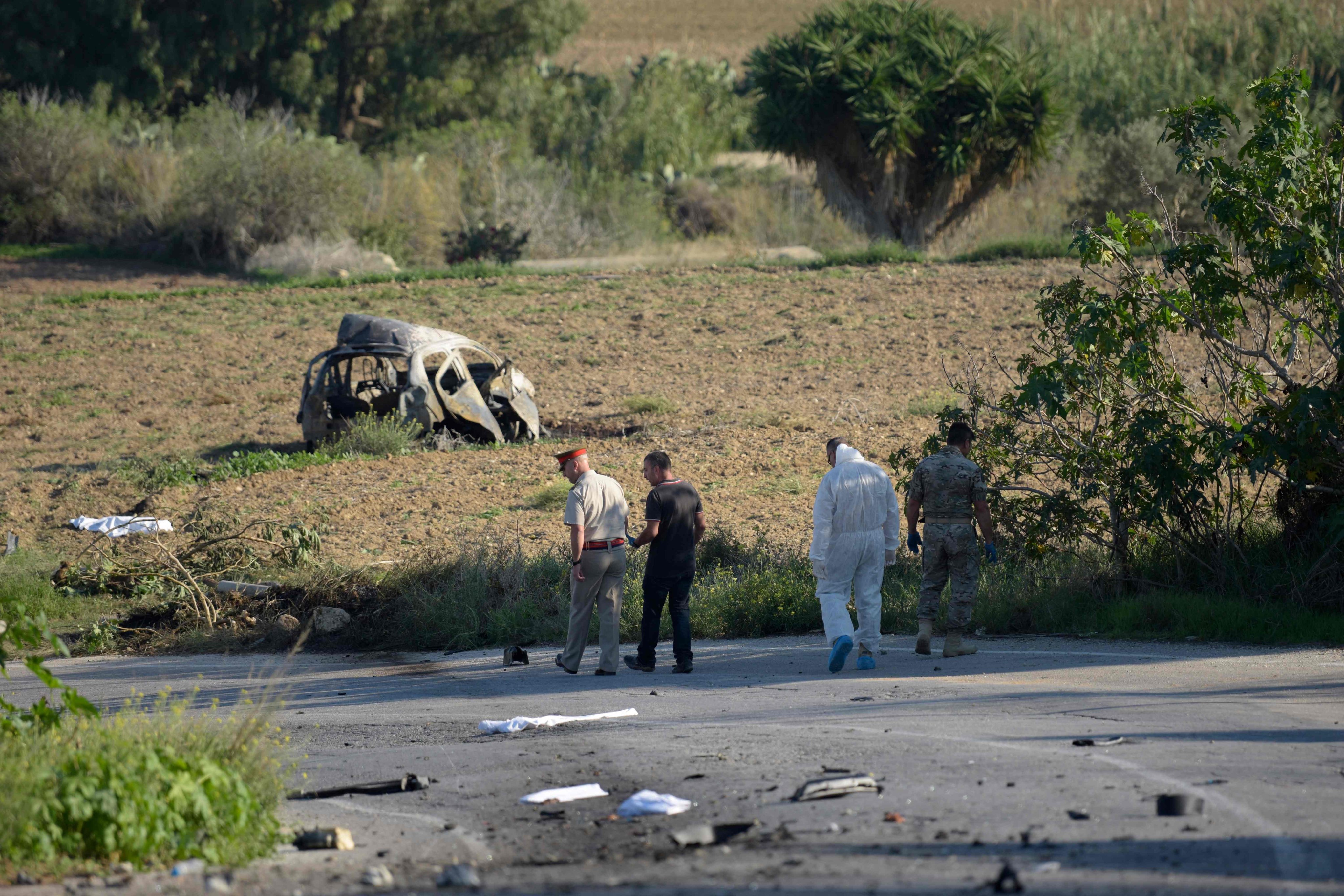
Caruana Galizia, 53, was killed on October 16, 2017, when a bomb detonated in her car near her home. Known for investigating corruption among Malta’s political and business elites, she had reported on figures connected to then-Prime Minister Joseph Muscat and offshore companies revealed in the Panama Papers. Her assassination triggered protests, exposed what critics described as a culture of impunity, and ultimately contributed to Muscat’s resignation after Fenech was arrested while attempting to leave Malta on his yacht in 2019.
An independent inquiry in 2021 concluded that the Maltese state bore responsibility for creating a climate in which the murder could occur, although it found no evidence of direct government involvement. Fenech’s acquittal has been condemned by Caruana Galizia’s family, who said the institutional failures that enabled her killing remain unresolved. The opposition Nationalist Party held a silent march and called for those who ordered the assassination to be identified, while the government said it had supported the investigation and noted that several people had already been convicted.
Other participants have received lengthy sentences. George and Alfred Degiorgio pleaded guilty and were each sentenced to 40 years, while Jamie Vella and Robert Agius received life sentences for supplying the bomb. Vincent Muscat received 15 years, and intermediary Melvin Theuma testified under a presidential pardon. The Committee to Protect Journalists called the verdict heartbreaking and said it would continue seeking accountability.
Entities: Daphne Caruana Galizia, Yorgen Fenech, Malta, Valletta, Joseph Muscat • Tone: analytical • Sentiment: negative • Intent: inform
03-09-2026
The France 24 report covers public anger in Malta following the acquittal of a wealthy businessman accused of masterminding the 2017 car-bomb murder of investigative journalist Daphne Caruana Galizia. Hundreds of people gathered in Valletta to protest the verdict, which has triggered strong criticism from Maltese civil society groups and international organisations focused on media freedom. Caruana Galizia’s killing became one of Malta’s most prominent political and press-freedom cases, and the acquittal has renewed concerns about accountability and the ability of the justice system to address attacks on journalists. The demonstration was organised late on Wednesday by Malta’s opposition Nationalist Party. The party has also called for lawmakers to return from their summer recess for a special session of the legislature to debate the case. The report presents the protest and political response as evidence of mounting dissatisfaction with the court decision. It does not provide the acquitted businessman’s name, explain the full reasoning behind the verdict, or detail whether prosecutors intend to appeal. Instead, it focuses on the immediate reaction in Valletta and the broader response from civil society, media-freedom advocates and opposition politicians. The video is dated 3 September 2026 and was produced by France 24, with reporting credited to Morgan Ayre.
Entities: Malta, Valletta, Daphne Caruana Galizia, Morgan Ayre, Nationalist Party • Tone: negative • Sentiment: negative • Intent: inform
03-09-2026
A Maltese court has acquitted businessman and tycoon Yorgen Fenech of orchestrating the 2017 car-bomb assassination of investigative journalist Daphne Caruana Galizia. Prosecutors had accused Fenech of masterminding the killing, which targeted the 53-year-old reporter and triggered unprecedented protests in Malta, ultimately contributing to the fall of the country’s government.
The verdict prompted anger from Caruana Galizia’s family and organizations defending press freedom. Her family said the acquittal denied her the justice she deserved, while her son, Matthew Caruana Galizia, called the jury’s decision “terrible” and warned that Malta might never recover from it. The European Centre for Press and Media Freedom said the ruling sent a disturbing message to people who attack or kill journalists.
Caruana Galizia was widely known for investigating corruption and was described as a “one-woman WikiLeaks.” Her reporting exposed alleged wrongdoing at the highest levels of Maltese society and drew attention to opaque relationships between the country’s business and political elites. Her murder became one of Malta’s most consequential political and media-freedom cases.
The article presents Fenech’s acquittal as a major setback for efforts to secure accountability for the killing and emphasizes the broader implications of the verdict for journalists and press freedom. Although the report focuses on the court’s decision and immediate reactions, it also places the case within the larger political crisis and corruption allegations that followed Caruana Galizia’s murder.
Entities: Yorgen Fenech, Daphne Caruana Galizia, Matthew Caruana Galizia, Malta, Maltese court • Tone: analytical • Sentiment: negative • Intent: inform