03-09-2026
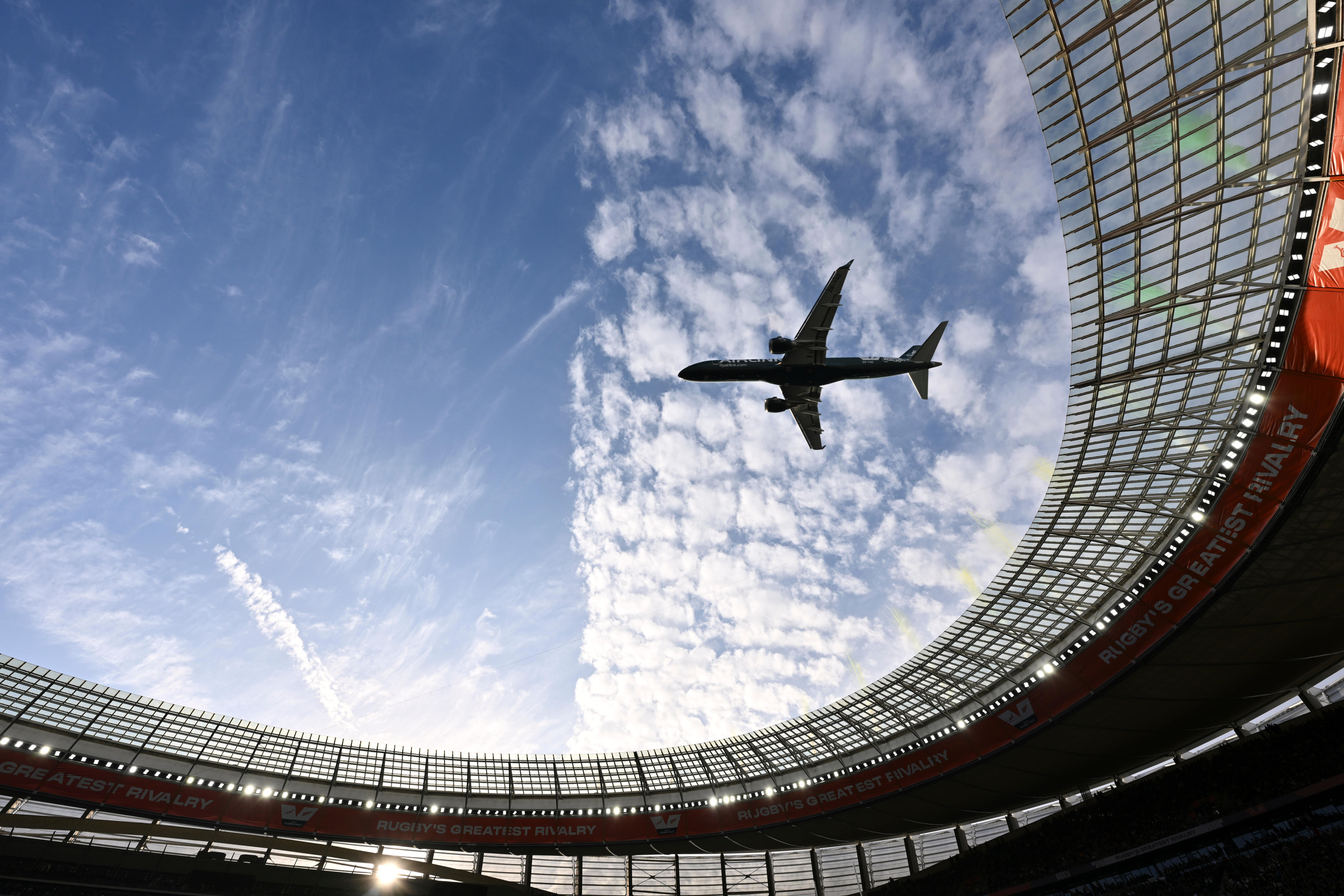
South African aviation authorities are investigating a low-altitude flyover by two Airlink passenger jets before the Springboks-All Blacks rugby match at Cape Town’s DHL Stadium on Aug. 29. The flyover delighted an estimated 56,000 spectators and generated widespread online attention, but its unusually low and dramatic profile also prompted questions about the safety margin available to the aircraft.
The South African Civil Aviation Authority (SACAA) has obtained the jets’ flight-data recordings and requested additional information from Airlink. It will issue a report and recommendations after determining whether the maneuver raised safety concerns that require further review. Airlink said the flyover was carefully planned and rehearsed, and that safety was its primary consideration. The airline added that each aircraft carried three senior captains, whose crews had more than 75,000 combined flight hours.
Airlink withdrew plans for a further flyover at Johannesburg’s FNB Stadium, citing unfavorable weather conditions. SACAA said the airline had applied for three flyovers in total. Two had already taken place: one in Johannesburg on Aug. 22 and the Cape Town event, both approved under requirements for special air events.
The spectacle received strong support from fans, including pilot and aviation enthusiast Deandra Peters, who described the stadium atmosphere as a uniquely South African moment. However, aviation experts later questioned whether the aircraft had left sufficient room for error. Airlink acknowledged the public’s concerns and said it had not intended to overshadow the rugby match. The article also places the event within South Africa’s long tradition of stadium flybys, which dates to the 1995 Rugby World Cup final, when a Boeing 747 flew over Johannesburg’s Ellis Park before another Springboks-All Blacks match.
Entities: South Africa, South African Civil Aviation Authority (SACAA), Airlink, Cape Town, DHL Stadium • Tone: analytical • Sentiment: neutral • Intent: inform
03-09-2026
South African aviation authorities are reviewing a low-altitude flyover involving two Airlink passenger aircraft at Cape Town’s DHL Stadium during an international rugby match on August 29. Video of the planes flying in formation over the packed stadium spread widely on social media, prompting questions about the safety of the maneuver. Flight-tracking service Flightradar24 reported that the lead aircraft passed less than 15 meters above the stadium roof.
The South African Civil Aviation Authority (SACAA) said it was conducting a “compliance verification” to determine whether the crew followed all required safety protocols. The regulator is examining flight data supplied by Airlink and has requested additional information before issuing a report. SACAA confirmed that Airlink had applied for permission to conduct the flyover and that the applications were approved under the rules governing special air events.
Airlink defended the operation, saying it had been carefully planned and rehearsed, with safety treated as the primary consideration. The airline said each aircraft carried three senior captains with a combined 75,000 hours of flying experience. However, it acknowledged that members of the public had raised valid questions and concerns.
Airlink Chief Executive de Villiers Engelbrecht also announced that the airline had canceled a planned flypast at the upcoming rugby test between South Africa and New Zealand in Johannesburg. The decision was attributed to weather forecasts indicating conditions unsuitable for a safe formation flight.
Stadium flyovers are a longstanding feature of major South African rugby matches. The tradition dates to the 1995 Rugby World Cup final in Johannesburg, when a Boeing 747 flew over the stadium before South Africa played New Zealand. SACAA also emphasized South Africa’s aviation safety record, citing its seventh-place global and first-place African ranking under International Civil Aviation Organization standards, as well as more than four decades without a fatal accident in commercial airline operations.
Entities: Airlink, South African Civil Aviation Authority (SACAA), South Africa, Cape Town’s DHL Stadium, Johannesburg • Tone: analytical • Sentiment: neutral • Intent: inform
03-09-2026
South African aviation authorities are investigating a low-altitude flyover by two Airlink passenger jets over Cape Town’s DHL Stadium before the Springboks-All Blacks rugby match on August 29. The maneuver thrilled the approximately 56,000 spectators in attendance and generated substantial online attention, but it also prompted concerns about the safety of flying passenger aircraft so close to a crowded stadium.
The South African Civil Aviation Authority (SACAA) said it has obtained the jets’ flight-data recordings and requested further information from Airlink. The regulator will assess the circumstances of the flyover and issue a report containing recommendations once its review is complete. SACAA said it was important to examine the event to determine whether it raised safety concerns that warranted regulatory action.
Airlink has since withdrawn plans for a similar flyover at an upcoming rugby match in Soweto, according to the aviation authority. The decision comes as officials review footage recorded by spectators inside and around the stadium, which spread widely online and fueled public debate over the risks associated with the maneuver.
The article also includes the perspective of Deandra Peters, a 25-year-old pilot and aviation enthusiast who attended her first live rugby match. She said the flyover electrified the stadium and created an experience that was difficult to convey through video. The report therefore presents both sides of the incident: the excitement generated by the spectacle and the potential aviation-safety implications that have led authorities to investigate it.
Entities: South African Civil Aviation Authority (SACAA), Airlink, Cape Town, DHL Stadium, Soweto • Tone: analytical • Sentiment: neutral • Intent: inform