01-11-2026
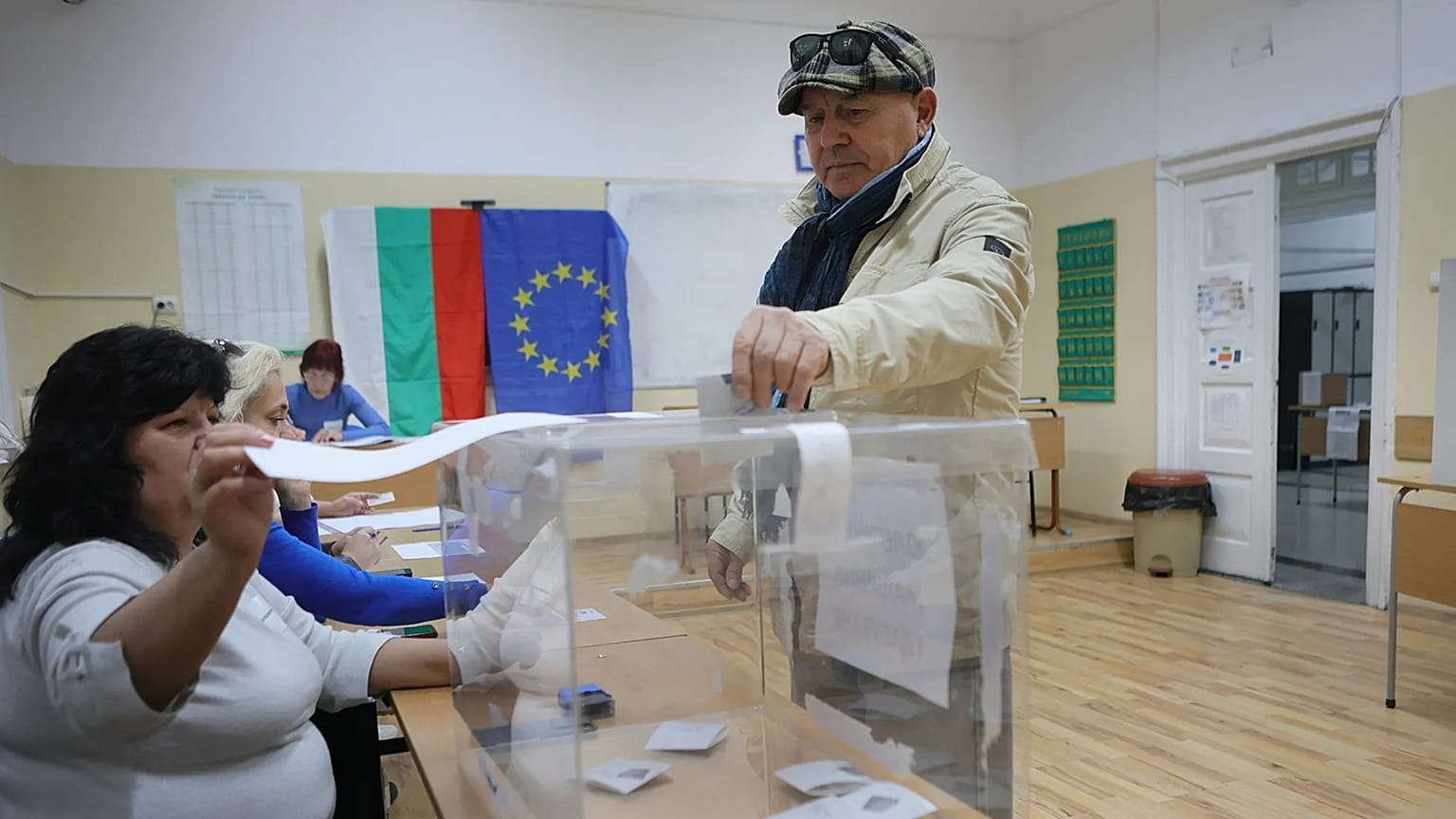
Bulgarians are voting in a closely contested presidential runoff between incumbent Iliana Yotova and former caretaker prime minister Andrey Gyurov. The November 1 vote follows a first round on October 25 in which turnout reached a historic low. Yotova led with 34.76% of the vote, narrowly ahead of Gyurov, who received 31.95%. The contest reflects a divided country and competing views about Bulgaria’s relationship with Russia and the West, particularly in the context of Russia’s war against Ukraine.
Although the Bulgarian presidency is largely ceremonial, the office carries consequential powers: the president can appoint interim governments during political crises, serve as commander-in-chief, and veto legislation. Security concerns have become more prominent as drone attacks targeting commercial vessels have increased in the Black Sea, which borders Bulgaria.
Yotova has described herself as a “president of peace,” arguing for dialogue with Moscow and negotiations to end the war. She opposes continued military aid to Ukraine, saying it brings more destruction and deaths. During a televised debate, Gyurov criticized her for not directly condemning Russia over the Black Sea attacks. He argued that Russia must stop its aggression before further steps can be taken.
Gyurov, a former deputy governor of Bulgaria’s central bank, served as caretaker prime minister in early 2026 and has strongly supported Ukraine. During his tenure, he signed a security cooperation agreement with Kyiv. Yotova is expected to follow an approach similar to Prime Minister Rumen Radev’s: maintaining Bulgaria’s European path while seeking closer relations with Russia and advocating the lifting of sanctions. If elected, she would become Bulgaria’s first woman president. Gyurov has characterized the runoff as a choice between two candidates, political directions, and approaches to presidential power.
Entities: Bulgaria, Iliana Yotova, Andrey Gyurov, Rumen Radev, Russia • Tone: analytical • Sentiment: neutral • Intent: inform
01-11-2026
Exit polls in Bulgaria’s presidential runoff indicate that incumbent Ilijana Yotova, backed by the ruling centre-left Progressive Bulgaria (PB), is leading with approximately 52% of the vote. Her challenger, former interim Prime Minister Andrey Gyurov, who is supported by reformist pro-Western opposition parties, is projected to receive around 45%. Turnout was reported at just 29%. The figures are preliminary; if official results confirm Yotova’s victory, she would become Bulgaria’s first elected female head of state.
The election was shaped in part by the war in Ukraine and Bulgaria’s position on NATO’s eastern flank. Yotova campaigned for a negotiated peaceful solution involving Russia and described her aim as being a “President of Peace.” Gyurov, by contrast, advocated closer alignment with Western partners and stronger support for Ukraine. The vote was also a major test for PB, the party of Prime Minister Rumen Radev, who endorsed Yotova. Yotova became president in January after Radev stepped down to run for parliament. Observers expect her to maintain his approach of keeping Bulgaria on its European path while seeking better relations with Russia and the lifting of sanctions.
The article also notes that the Ukraine conflict has overshadowed the election amid increasingly frequent drone attacks on merchant ships in the Black Sea economic zones of Bulgaria and neighbouring Romania. Bulgaria’s president has a largely ceremonial role and no executive powers, with major policies requiring parliamentary approval. However, the directly elected head of state has political influence and responsibilities that include leading the armed forces, vetoing legislation, signing international treaties, and appointing ambassadors. Presidents serve five-year terms and may serve no more than two terms.
Entities: Ilijana Yotova, Andrey Gyurov, Rumen Radev, Bulgaria, Progressive Bulgaria (PB) • Tone: analytical • Sentiment: neutral • Intent: inform
01-11-2026
Bulgarians are voting in a closely watched presidential runoff between incumbent Iliana Iotova and pro-Western challenger Andrey Gyurov. Iotova led the first round with about 35% of the vote, finishing 43,000 votes ahead of Gyurov—a narrower advantage than pre-election polling had suggested. Polling stations opened at 7 a.m. and were scheduled to close at 8 p.m. local time.
The candidates differ sharply over Bulgaria’s relationship with Russia and its response to the war in Ukraine. Iotova, supported by the ruling Progressive Bulgaria party, the Bulgarian Socialist Party and nationalist VMRO, advocates dialogue with Moscow and opposes continued military assistance to Ukraine. In a televised debate, she argued that negotiations are necessary for peace and that more funding and advanced weapons would bring further destruction and deaths. Gyurov, backed by opposition groups Democratic Bulgaria and We Continue the Change, said Russia must end its aggression before negotiations can proceed.
The contest is unfolding in a country that is a member of both the EU and NATO but has historically maintained close ties with Russia. Attacks on vessels in the Black Sea off Bulgaria have heightened public discussion about those ties. Prime Minister Rumen Radev has called for a ceasefire and peace talks as a way to restore safe commercial shipping. He has also said the attacks appeared to serve Russian interests and summoned the Russian ambassador, although the government says there is no evidence directly linking Moscow to the incidents.
Political analyst Teodor Slavev told AFP that voters would be judging Iotova’s response to the perceived Russian threat in the Black Sea. The runoff therefore serves both as a choice between two candidates and as a public verdict on Bulgaria’s approach to Russia, Ukraine and regional security.
Entities: Iliana Iotova, Andrey Gyurov (also rendered as Andrej Gjurov in the supplied caption), Bulgaria, Russia, Ukraine • Tone: analytical • Sentiment: neutral • Intent: inform