01-11-2026
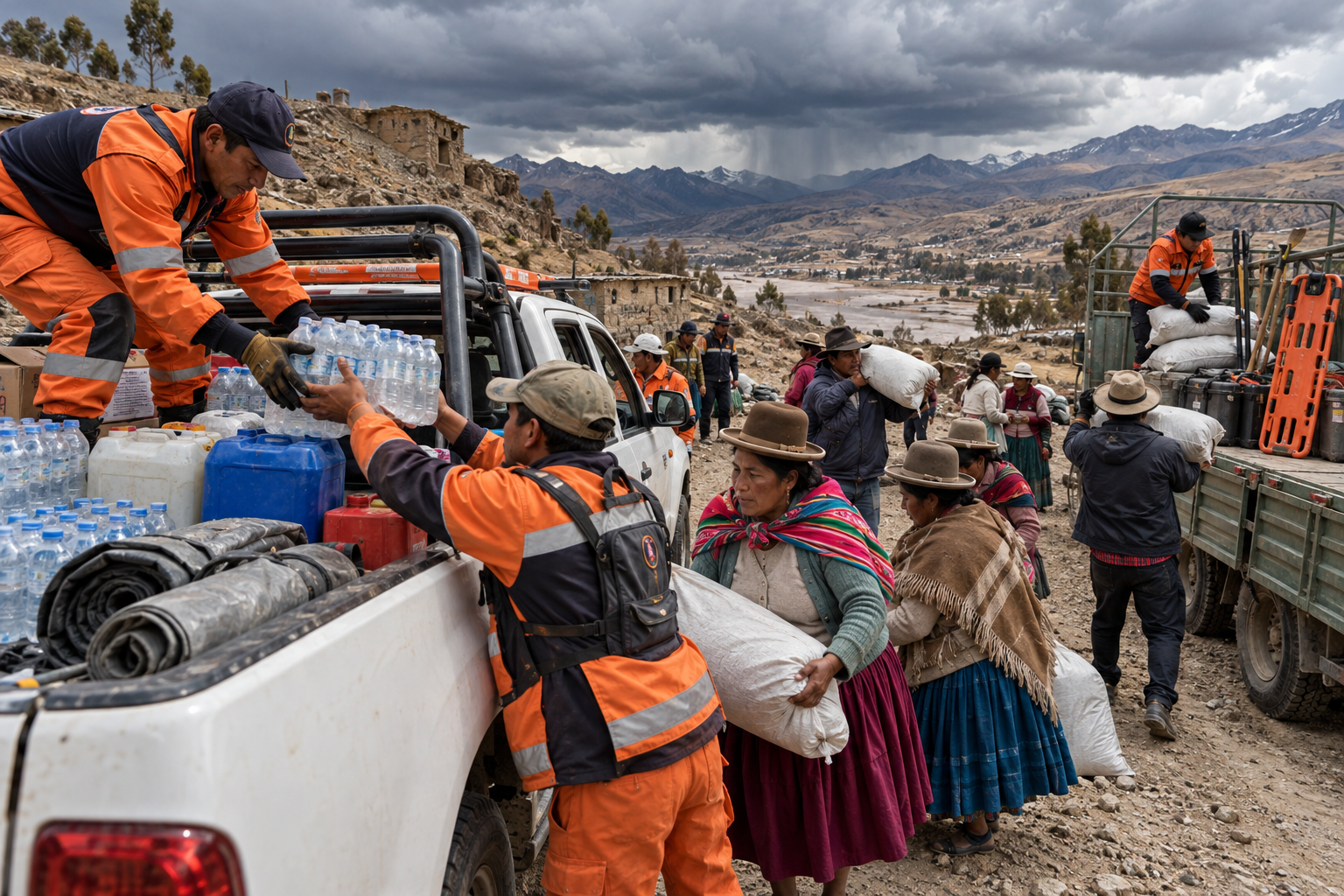
Bolivia has declared a nationwide state of emergency in response to the expected effects of the El Niño weather phenomenon. President Rodrigo Paz signed the decree on Saturday, enabling authorities to release resources and deploy rescue teams more quickly to areas affected by flooding and drought. Paz warned that El Niño could bring “very severe impacts” and called for cooperation among institutions.
The immediate effects of drought are already substantial: a government report says it is affecting 78,000 families across six of Bolivia’s nine departments and has caused the loss of more than 75,000 cattle. The country is also vulnerable to flooding; floods in the Santa Cruz region in December 2025 killed dozens of people. The article places Bolivia’s concerns within a wider regional pattern of extreme weather, noting record October rainfall in Santiago, Chile, and wildfires in Peru that killed at least 12 people last month.
El Niño is a naturally occurring climate pattern that returns roughly every two to seven years. Warming in the Pacific Ocean alters winds, pressure and rainfall around the world, though the intensity and local effects vary. The current cycle could be the strongest on record, is expected to peak at the end of 2026, and may affect conditions well into 2027. Scientists warn that it could cause more than 450,000 deaths globally, with poorer countries facing the greatest impacts. The World Meteorological Organization reported in early September that there was a nearly 100 percent likelihood that El Niño would continue through February 2027.
Entities: Bolivia, Rodrigo Paz, El Niño, Santa Cruz, Chile • Tone: analytical • Sentiment: negative • Intent: inform
01-11-2026
Bolivian President Rodrigo Paz has declared a national state of emergency as the country prepares for severe droughts, flooding and other hazards associated with a rapidly strengthening El Niño. The decree is intended to mobilize resources and improve disaster response, allowing additional rescue teams to be deployed and requiring coordination among national and regional authorities, the armed forces and police. Paz said the weather phenomenon could have very severe effects and called for cooperation among institutions.
The risks come amid already serious damage from drought. A Bolivian government report says at least 78,000 families across seven of the country’s nine departments have been affected, while more than 75,000 cattle have been lost. With the rainy season beginning, authorities are also warning about floods, flash floods and landslides.
El Niño is a periodic warming of sea-surface temperatures in the equatorial Pacific that alters weather patterns around the world. It can bring drought to some places and heavy rainfall to others. The current episode developed in June and has intensified quickly; it is expected to become exceptionally strong, a level sometimes called a “super” El Niño. The United Nations says it is expected to peak in December and has described it as “heading off the charts,” while warning that impacts could continue for years and urging Pacific nations to prepare.
The article also cites researchers’ estimate that unusually high temperatures associated with this El Niño could contribute to about 451,000 excess deaths worldwide between June 2026 and February 2027. Recent weather-related examples linked to changing El Niño patterns include wildfires in Indonesia, Typhoon Champi in Taiwan, Hurricane Isaias on the US Gulf Coast, and water and power shortages in India following a weak monsoon. Together, the account presents Bolivia’s emergency declaration as a response to immediate domestic impacts and a wider period of potentially severe global weather disruption.
Entities: Rodrigo Paz, Bolivia, El Niño, National state of emergency, Bolivian government • Tone: urgent • Sentiment: negative • Intent: inform
01-11-2026
Bolivia declared a state of emergency on October 31 as El Niño brings drought and flooding to the country. President Rodrigo Paz said the decree would make resources available and allow more rescue teams to be deployed in areas hit hardest by the weather impacts. In an address to the nation, he described the likely consequences as “very severe” and called for cooperation among all institutions. A government report said drought is affecting 78,000 families in six of Bolivia’s nine departments. It has also contributed to the loss of more than 75,000 head of cattle, placing pressure on households and livestock-dependent communities. El Niño is a climate phenomenon involving warmer surface waters in the central and eastern equatorial Pacific Ocean. Those changes can alter winds, atmospheric pressure and rainfall patterns around the world, producing different hazards in different regions. The United Nations warned that the current El Niño could be of “unprecedented” strength, with potential impacts across Latin America, eastern and southern Africa, Asia and the Pacific. The article also describes extreme weather in neighbouring countries: Peru has faced higher temperatures and wildfires that have killed at least 12 people, while Santiago, Chile, recorded its rainiest October on record. The emergency declaration is intended to support Bolivia’s response to the combined effects of drought and floods as the broader climate event continues to affect regions worldwide.
Entities: Rodrigo Paz, Bolivia, La Paz, El Niño, State of emergency • Tone: analytical • Sentiment: negative • Intent: inform