01-07-2026
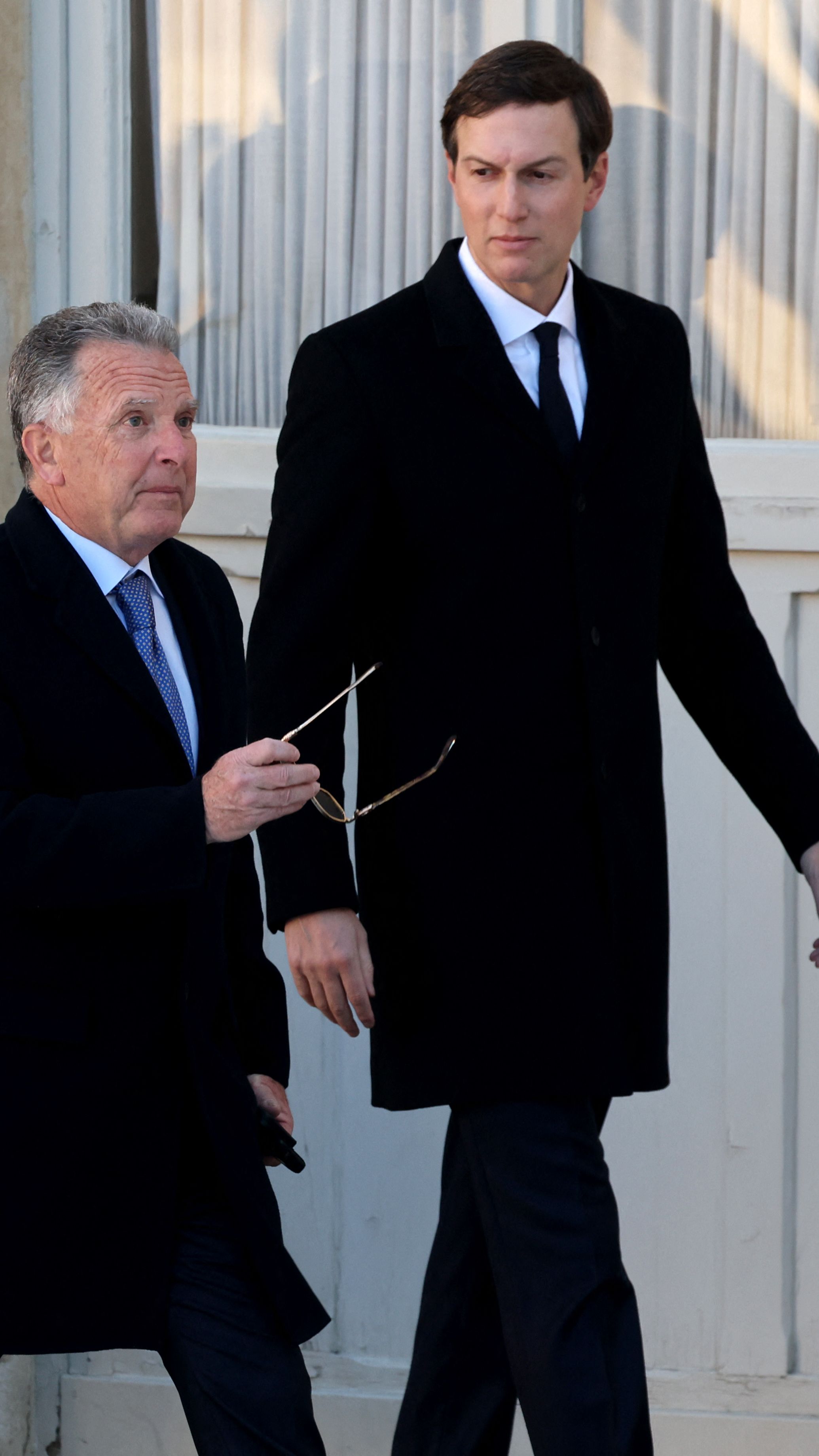
US special envoy Steve Witkoff and Jared Kushner are in Doha for indirect discussions with mediators over the US-Iran negotiations, but Qatar says there are no scheduled direct talks with Iranian officials. The visit comes after a fragile ceasefire-like understanding was tested by a four-day exchange of strikes linked to disagreements over reopening the Strait of Hormuz, a vital shipping route carrying about 20% of global oil and gas shipments. The earlier memorandum of understanding, brokered by Pakistan and Qatar, called for both sides to halt military operations, reopen the strait, and work toward a final deal covering Iran’s nuclear programme, US sanctions, and a permanent truce. Although both Washington and Tehran have signaled some willingness to continue technical and mediator-led talks, each side has also publicly contradicted or downplayed the other’s claims about direct engagement. Qatar and other mediators say progress has been made on technical channels, but major issues remain unresolved, including the release of frozen Iranian assets and the future of regional security arrangements. The article highlights the delicate, multi-track nature of the diplomacy and the persistent risk that renewed military action could derail it.
Entities: Steve Witkoff, Jared Kushner, Donald Trump, Majed al-Ansari, Qatar • Tone: analytical • Sentiment: neutral • Intent: inform
01-07-2026
CNN reports that preliminary Iran-U.S. talks are underway in Doha, with U.S. envoy Steve Witkoff and President Donald Trump’s son-in-law Jared Kushner present to meet Qatari mediators rather than Iranian officials directly. The article emphasizes the indirect nature of the engagement and the mixed signals surrounding the diplomacy, as the talks follow recent violence in the Strait of Hormuz between U.S. and Iranian forces. Qatar’s Foreign Ministry is cited as clarifying that the discussions are being facilitated through mediation, underscoring both the sensitivity and the tentative structure of the process.
The piece frames the meeting as part of a broader effort to lower tensions after the latest round of strikes in a strategically critical waterway. By noting the involvement of high-profile U.S. figures and the absence of direct U.S.-Iranian contact, the report suggests that the diplomatic track is still fragile and politically complicated. The brief video news format focuses less on detailed negotiation outcomes and more on the significance of the talks beginning at all, while highlighting the uncertainty created by the contrast between public messaging and the actual setup of the meeting.
Overall, the article portrays a cautious, developing situation in which diplomacy is being attempted through intermediaries amid a backdrop of military escalation. It presents the talks as important but limited, with the key takeaway being that dialogue has started, though not in a direct or fully transparent way.
Entities: Iran, United States, Doha, Qatar, Qatar’s Foreign Ministry • Tone: analytical • Sentiment: neutral • Intent: inform
01-07-2026
Iran and Qatar are set to hold talks focused on implementing Tehran’s agreement with the United States and discussing Iran’s frozen assets, according to Iran’s foreign ministry. The discussions come shortly after US envoy Steve Witkoff and President Donald Trump’s son-in-law Jared Kushner met with Qatari mediators in Doha to review the latest developments in US-Iran negotiations and broader regional issues. Qatar said the meetings also covered efforts to strengthen regional security and stability through diplomacy, as well as the ceasefire in Lebanon. Iran’s foreign ministry said its team has no plans to meet with the American delegation in the coming days, while noting that $6 billion in frozen Iranian funds has not yet been transferred and would move only as negotiations advance. The live update also broadens to related regional dynamics, including the ongoing Lebanon ceasefire situation, Oman’s proposal on the future of the Strait of Hormuz, the elevated maritime security risk in the strait, and analysis suggesting China could be a relative beneficiary of disruptions there because of its diversified energy supply and emergency reserves. Another major item in the live update is Iran’s funeral schedule for Supreme Leader Ali Khamenei, with ceremonies planned across Iran and Iraq from July 3 to July 9, including events in Tehran, Qom, Najaf, Karbala, and Mashhad.
Entities: Iran, Qatar, United States, Steve Witkoff, Jared Kushner • Tone: analytical • Sentiment: neutral • Intent: inform
01-07-2026
Iran has rejected meeting with top U.S. envoys who traveled to the Gulf region after a fresh outbreak of hostilities, complicating efforts to turn a fragile ceasefire into a broader peace deal. Iranian officials said more work is needed to resolve the terms of the ceasefire signed two weeks earlier before either side can address harder issues such as limits on Iran’s nuclear programme. The dispute also exposes major gaps in the initial framework, including Iran’s role in the Strait of Hormuz, financial incentives, and the timeline for negotiations.
The White House had described the Doha discussions as high-level, but both Iran and Qatar said the Americans would speak to mediators rather than directly to Iranian officials. Qatar said its prime minister met with U.S. envoy Steve Witkoff and Jared Kushner, while Iran’s foreign ministry said no meeting with the American side was scheduled. The article suggests that the U.S. leadership is still weighing whether to continue diplomacy or return to military pressure, with Reuters citing a Wall Street Journal report that President Donald Trump had discussed further strikes but had decided to give diplomacy more time.
The story also highlights the economic and geopolitical stakes of the conflict. Shipping through the Strait of Hormuz has partially resumed, and oil prices have eased, but the route remains a flashpoint because it once handled a significant share of global energy trade. Iranian officials and U.S. leaders are still at odds over who controls traffic through the strait, and Trump faces domestic political pressure as inflation and fuel prices remain sensitive ahead of midterm elections. The article closes by noting that the interim deal could also affect the conflict in Lebanon between Israel and Hezbollah, though that separate framework is itself facing skepticism.
Entities: Iran, United States, Doha, Qatar, Strait of Hormuz • Tone: analytical • Sentiment: neutral • Intent: inform