29-09-2026
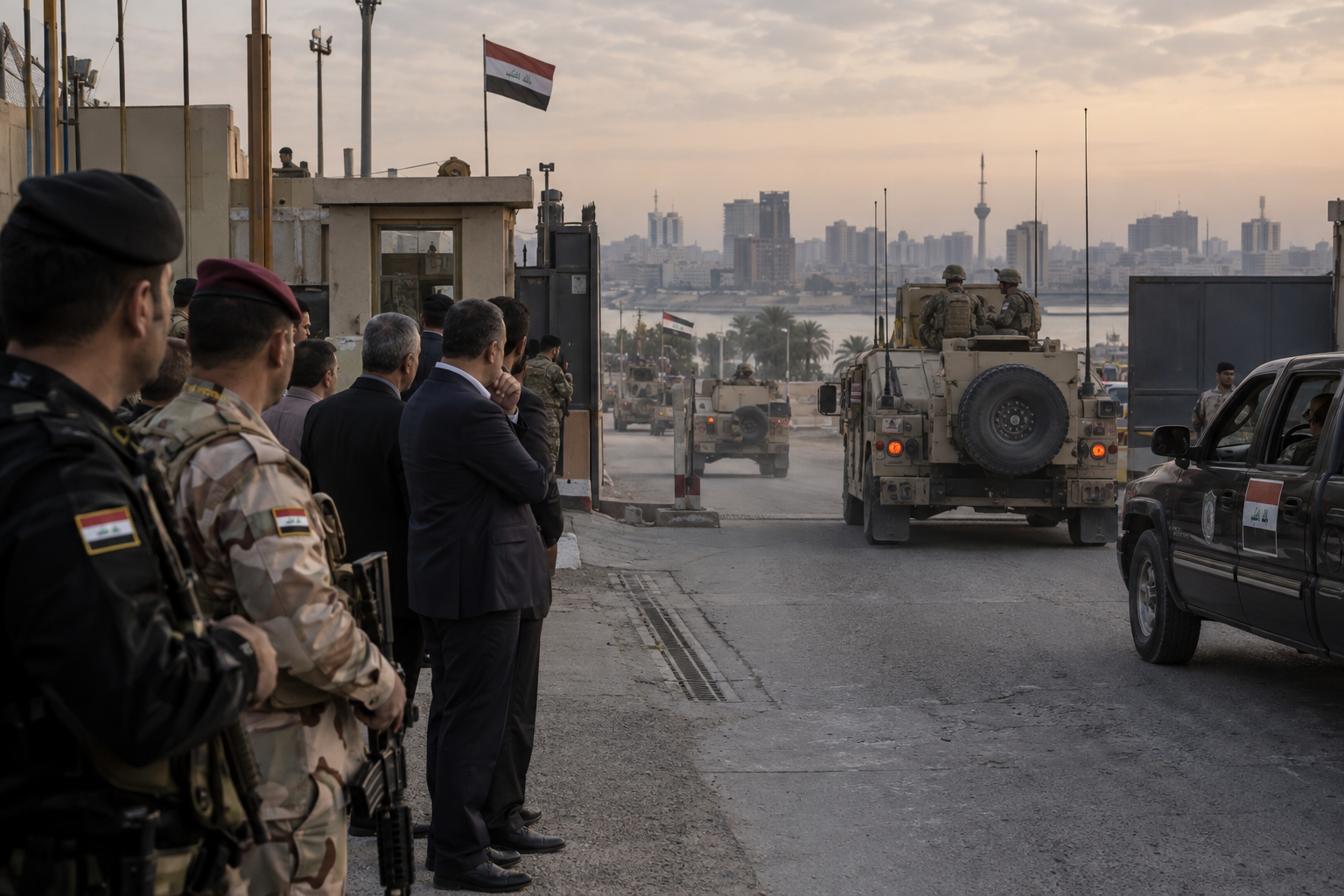
The United States is scheduled to complete the withdrawal of its remaining 2,500 troops from Iraq by September 30, 2026, ending its 12-year participation in Operation Inherent Resolve against ISIS and a period of more than two decades of US military involvement in the country. Iraqi Prime Minister Ali al-Zaidi has described October 1 as a milestone for national sovereignty, with public holidays planned to mark the occasion. The withdrawal follows a 2024 agreement and a broader US effort to reduce its military presence in the Middle East, though Turkey still maintains forces in Iraq.
The departure does not resolve the challenge of bringing Iraq’s armed groups under state control. Baghdad has extended its disarmament deadline to June 30, 2027, proposing a period without attacks followed by a gradual handover of weapons. However, powerful Iran-backed groups, including Kata'ib Hezbollah, Harakat al-Nujaba and Kata'ib Sayyid al-Shuhada, have not indicated they will disarm. Analysts say Iraq’s fragmented politics and the connections between political movements and armed organizations make rapid security-sector reform unlikely.
The withdrawal also raises concerns about the security of Iraq’s minorities and the Kurdistan Region. US personnel and air-defense systems are leaving Erbil, which has faced attacks involving Iran and Iran-backed Iraqi militias. Kurdish officials have sought protection from missile and drone threats, while attacks on Iranian Kurdish opposition groups in Iraq have also increased. Analysts warn that Kurdish, Christian and Yazidi communities may become more exposed to threats. At the same time, observers say US-Iraqi relations are expected to continue, with greater emphasis on economic ties and a more conventional defense relationship, provided Iraq can offer a secure environment.
Entities: Iraq, United States, Ali al-Zaidi, Operation Inherent Resolve, Islamic State (ISIS) • Tone: analytical • Sentiment: neutral • Intent: analyze
29-09-2026
The article reports that US forces are expected to leave their last bases in Iraq by Wednesday, ending a military presence that has lasted more than two decades. The departure follows an agreement reached in 2024 under President Joe Biden and is being carried out by the administration of Donald Trump, despite the United States’ ongoing war against Iran. The article notes that about 4,500 Americans died during the years of conflict in Iraq.
The withdrawal is being celebrated as a victory by Iran and its allies, who already hold significant influence in Iraq. Iraqi security experts warn that the departure could strengthen Tehran’s position by removing a military counterweight to its influence. Jasim al-Bahadli, an Iraqi security analyst who studies armed Shiite groups aligned with Iran, says pro-Iranian militia groups may use the withdrawal to claim political momentum and seek greater sway over security and political decision-making.
The article also raises the possibility that reduced US involvement could give Iran and its allies greater freedom of action, while creating an opening for other adversaries to re-emerge, including Islamic State. The excerpt frames the withdrawal as a consequential shift in Iraq’s security and political landscape, particularly given the ongoing US-Iran conflict. It does not provide further details about the withdrawal timetable, the size of remaining forces, or the views of US or Iraqi officials.
Entities: United States, Iraq, Iran, Tehran, Donald Trump • Tone: analytical • Sentiment: negative • Intent: inform
29-09-2026
The article examines Turkey’s effort to expand its influence in the Middle East as questions grow about the future of U.S. involvement in the region. It focuses on the Mecca Joint Defense Agreement, signed by Saudi Arabia, Turkey and Pakistan on Aug. 7. The pact includes a mutual-defense commitment and plans for intelligence and defense-technology sharing. The article presents it as both a security arrangement and a hedge against uncertainty about U.S. regional commitments, with Turkey described as a key driver of the negotiations.
Turkey’s ambitions rest on several sources of influence: a large military, a growing domestic defense industry, overseas bases, involvement in Syria, cultural reach through television, humanitarian work and a reputation as a potential mediator. The conflicts and upheavals of recent years—including the Hamas-led attack on Israel and the ongoing U.S.-Israeli war on Iran—have weakened or unsettled established regional power structures. Meanwhile, talk in Washington of reducing its security footprint has raised doubts among regional partners about relying on the U.S. security umbrella.
The article also emphasizes limits on Ankara’s aspirations. Economic problems, including high inflation, a weak currency and rising energy costs, constrain Turkey’s resources. Analysts say its influence has not yet translated into a Turkey-led regional order. Turkey’s approach is characterized as pragmatic: protecting its interests and managing instability rather than attempting to recreate the Ottoman Empire’s dominance. Syria is a key arena, where Ankara has gained a role in reconstruction and rebuilding the army after Bashar al-Assad’s fall. These ambitions increasingly intersect with Israel’s goal of preventing regional challengers from gaining strength. A reported Israeli strike on a Syrian airbase, amid disputed claims of planned Turkish troop deployments, illustrates the potential for friction between the two countries.
Entities: Turkey, Recep Tayyip Erdogan, Saudi Arabia, Pakistan, Hakan Fidan • Tone: analytical • Sentiment: neutral • Intent: analyze