29-06-2026
Stock futures rose early Monday as investors reacted to a temporary pause in U.S.-Iran hostilities and tried to gauge whether the ceasefire would hold. The market focus remained on Middle East oil supply risks, with crude prices rising and inflation concerns resurfacing. U.S. equity futures pointed higher, while Asia-Pacific markets traded mixed amid the same geopolitical uncertainty.
The article also reviews a broadly negative prior week for Wall Street, led by a sharp rotation out of technology stocks and into more defensive sectors. The S&P 500 and Nasdaq fell significantly, while the Dow outperformed. Investors are increasingly questioning whether massive AI-related spending by large technology companies will generate sufficient returns, contributing to a pullback in names like Nvidia, Alphabet, Meta, Apple, and Amazon.
Beyond the geopolitical and macro backdrop, the piece highlights several individual market movers in Asia. Gold and silver were lower as the ceasefire eased safe-haven demand and higher oil prices revived inflation worries. Nintendo shares surged after the company said it is evaluating a stock split to broaden its investor base. Baidu shares jumped on reports that its AI chip arm Kunlunxin is targeting a Hong Kong IPO that could value it at $50 billion. Chinese restrictions on exports to Japanese entities weighed on broader market sentiment, while Samsung Electronics and SK Hynix fell on reports of massive long-term investment plans. Overall, the article presents a live market snapshot shaped by geopolitics, energy prices, and sector rotation.
Entities: Stock futures, U.S.-Iran conflict, Middle East, Strait of Hormuz, Dow Jones Industrial Average • Tone: analytical • Sentiment: neutral • Intent: inform
29-06-2026
This CBS News transcript captures an extended interview with Sen. Bill Cassidy on Face the Nation, focused primarily on the Trump administration’s actions regarding Iran, congressional oversight, and the role of briefings in shaping lawmakers’ decisions. Cassidy explains that his initial support for the War Powers Act stemmed less from opposition to the president’s goals and more from frustration at being kept out of the loop on the administration’s Iran strategy. After receiving a late briefing from Vice President JD Vance and special envoy Steve Witkoff, he says he gained enough information to understand the administration’s objectives and reconsider his position.
The interview also highlights a heated confrontation between Cassidy and President Trump during a closed-door meeting, where Trump reportedly berated senators who supported the War Powers Act. Cassidy defends his conduct by comparing it to his professional background as a doctor: he says he needs information to determine the truth and make informed judgments, and he applies that same principle to public service. While acknowledging that negotiations are delicate and that some secrecy can be justified, Cassidy argues that Congress deserves access to the facts, especially when military action and possible diplomatic agreements are involved.
Cassidy further comments on the broader implications of the Iran conflict, suggesting that America has spent significant resources and suffered casualties while facing a result that looks more like a stalemate than a decisive victory. He says any eventual agreement could resemble a treaty and therefore should receive congressional review. The transcript closes with Cassidy reflecting more broadly on the responsibility of senators to hold presidents accountable, even when political pressures make that difficult.
Entities: Sen. Bill Cassidy, Margaret Brennan, Donald Trump, Steve Witkoff, JD Vance • Tone: analytical • Sentiment: neutral • Intent: inform
29-06-2026
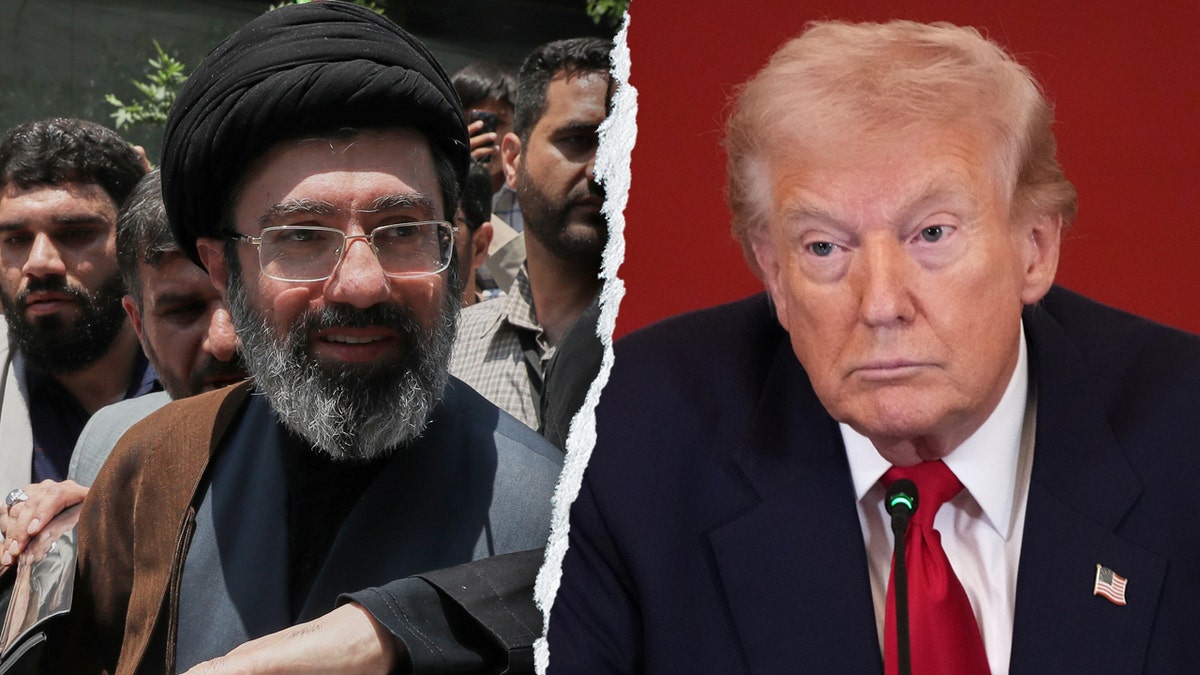
Fox News reports that Iran is conducting a covert social media influence campaign aimed at undermining President Donald Trump’s push for a nuclear or peace deal with Tehran. According to counterterrorism expert Dr. Omar Mohammed and other analysts cited in the piece, the campaign has intensified after major disruptions to Iran’s leadership, including the killing of Supreme Leader Ali Khamenei and the reported hiding of his successor, Mojtaba Khamenei. With senior leadership decapitated, the regime is said to have shifted legitimacy-building and messaging onto Western platforms like X, using centralized, coordinated posts from officials and proxies to project control, exploit U.S. political divisions, and shape perceptions around the deal.
The article says Iranian messaging now mirrors the style of social-media-native political warfare: short, memeable, English-language posts designed to provoke and embarrass Trump, especially around his framing of the deal as beneficial to American farmers. One example cited is a post by lead negotiator Mohammad Bagher Ghalibaf mocking Trump’s claim that unfrozen Iranian assets would be used to buy U.S. agricultural products such as soybeans and wheat. Analysts interpret this as a deliberate attempt to attack the president’s deal narrative, appeal to different factions in Washington, and frame the agreement in ways that weaken domestic support. The piece situates the campaign within broader tensions over Iran’s nuclear ambitions, sanctions relief, and post-strike diplomacy, portraying the online campaign as part propaganda effort and part strategic adaptation by a regime under pressure.
Entities: Iran, Tehran, Donald Trump, Ali Khamenei, Mojtaba Khamenei • Tone: analytical • Sentiment: neutral • Intent: analyze