28-05-2026
Israel has ordered residents in large areas of southern Lebanon to evacuate, designating the region as a combat zone ahead of additional strikes on Hezbollah. The Israeli military told people to move north of the Zahrani River, expanding the evacuation area to roughly 14% of Lebanese territory and marking the biggest such order since a ceasefire took effect on 17 April. The announcement came as Israel hit Tyre and other parts of southern Lebanon and the eastern Bekaa Valley, while Hezbollah said its fighters were engaged in clashes with Israeli troops. The escalation follows Israeli Prime Minister Benjamin Netanyahu’s statement that Israel is expanding and deepening its ground operation in Lebanon in response to Hezbollah drone attacks on Israeli forces and civilians.
The article describes growing civilian fear and displacement, with residents in Tyre packing belongings and humanitarian officials warning that the south is close to a dangerous tipping point. The International Committee of the Red Cross said ongoing hostilities are creating untenable conditions for civilians, and local authorities warned that Sidon and other areas can no longer absorb more displaced families. The fighting has intensified sharply in recent days, including more than 150 Israeli air strikes in 24 hours across about 50 towns and villages. Lebanon’s health ministry said at least 31 people were killed on Tuesday, and the article notes that the broader war has killed at least 3,213 people in Lebanon since it began. The piece frames the latest escalation as a serious threat to the fragile ceasefire and to wider diplomatic efforts involving the US, Israel, Iran, and Lebanon.
Entities: Israel, Lebanon, Hezbollah, Israel Defense Forces (IDF), Benjamin Netanyahu • Tone: urgent • Sentiment: negative • Intent: inform
28-05-2026
An Israeli strike in Gaza City killed Mohammed Odeh, newly identified by Hamas as the head of its military wing, the Izzedine al-Qassam Brigades, and also killed his wife and two children, according to Hamas and local sources. The attack hit the upper floors of a residential building in a crowded market area of Gaza City, injuring dozens more, with witnesses describing multiple missiles striking the building nearly simultaneously. Israel’s military and Shin Bet said the strike targeted buildings used as a hideout for Odeh after months of surveillance, and Prime Minister Benjamin Netanyahu’s office said Odeh was one of the architects of the October 7 attack on Israel. The killing comes despite the ceasefire agreed in October, which has not stopped near-daily violence in Gaza. Hamas accuses Israel of repeatedly violating the truce, while Israel says it retains the right to target Hamas members and accuses Hamas of failing to disarm. The article places the strike in the broader context of stalled US-led peace efforts, continued Israeli military operations, and ongoing devastation in Gaza, where more than 72,800 people have been killed according to the Hamas-run health ministry. It also notes parallel Israeli strikes in Lebanon against Hezbollah, underscoring the wider regional conflict.
Entities: Mohammed Odeh, Hamas, Izzedine al-Qassam Brigades, Israel Defense Forces (IDF), Shin Bet • Tone: analytical • Sentiment: negative • Intent: inform
28-05-2026
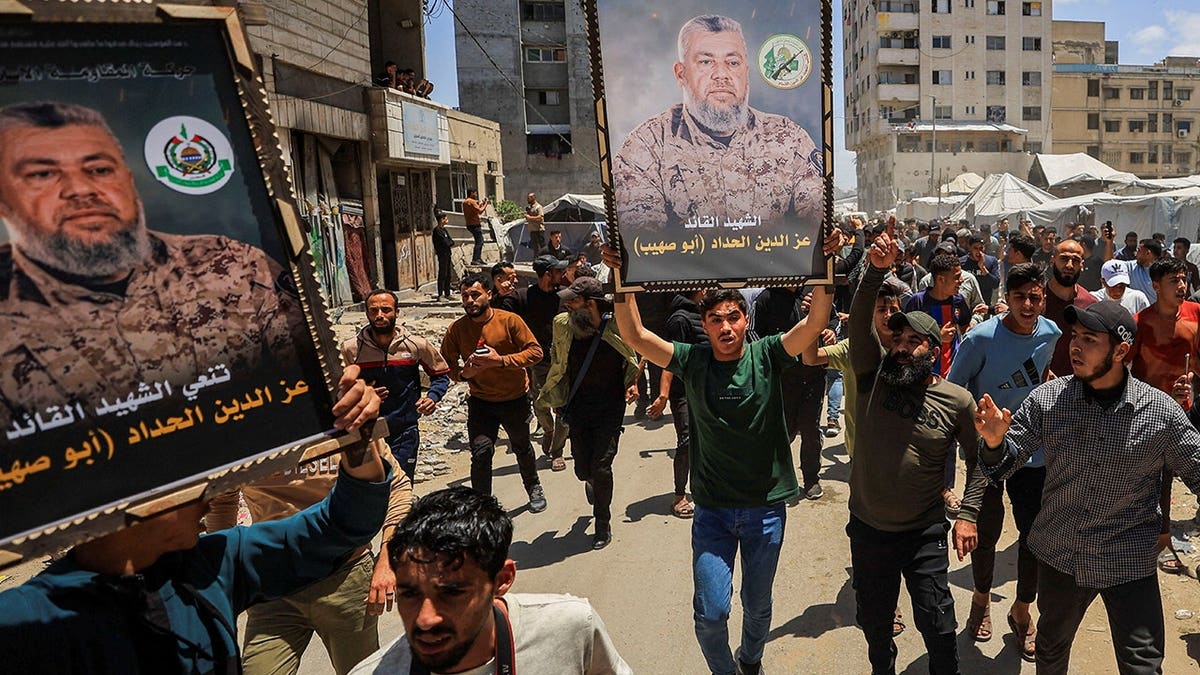
Israel said on Wednesday that it had killed Mohammed Odeh, the newly appointed head of Hamas’s armed wing in Gaza, in an airstrike carried out the previous day. Israeli Defense Minister Israel Katz and Prime Minister Benjamin Netanyahu announced the killing in a joint statement, framing it as part of Israel’s ongoing campaign to eliminate those it says were responsible for the October 7, 2023 Hamas attack on Israel. According to the statement, Odeh had served as head of Hamas intelligence during the October 7 massacre and had been named successor to Ezzedine al-Haddad about a week earlier, after Haddad was killed in an Israeli strike on May 15. The article says Hamas had not yet commented.
The report situates Odeh’s killing within the broader war in Gaza, noting Israel’s repeated targeting of Hamas leaders and commanders, including former political chief Ismail Haniyeh, Yahya Sinwar, Mohammed Deif, and Mohammed Sinwar. It also highlights the staggering human toll of the conflict: the October 7 attack killed 1,221 people in Israel, while Israel’s retaliatory military campaign in Gaza has killed at least 72,803 people, according to the Hamas-run health ministry. The article emphasizes Israel’s stated policy of pursuing those it holds responsible for the attack, and includes strong language from Katz and Netanyahu describing the strike as a successful elimination of a Hamas commander.
Entities: Mohammed Odeh, Hamas, Hamas armed wing, Gaza, Israel • Tone: urgent • Sentiment: negative • Intent: inform
28-05-2026
Fox News reports that Israel says it has killed Mohammed Odeh, the newly appointed head of Hamas’ military wing, in an airstrike in northern Gaza. According to the Israel Defense Forces, Odeh was responsible for planning and coordinating Hamas attacks tied to the October 7 massacre, and he had taken over after the elimination of Izz al-Din al-Haddad. Israeli leaders Benjamin Netanyahu and Defense Minister Israel Katz said Israel would continue pursuing anyone involved in the October 7 attacks and hold them accountable for murder, abduction, and injury of Israeli civilians and soldiers.
The article places Odeh’s killing in the broader context of Israel’s ongoing campaign against Hamas leadership and military infrastructure in Gaza. The IDF says Haddad, who was killed earlier, had been trying to rebuild Hamas’ capabilities and infrastructure, which Israel described as a violation of the ceasefire agreement. The piece also notes that Hamas leaders, including Haddad, had a role in holding Israeli hostages during the war. Quotes from Israeli officials emphasize that the military campaign will continue until all those involved in the October 7 massacre are reached. Overall, the story is a conflict update focused on a targeted strike, Israeli claims of operational success, and the continuing pursuit of Hamas commanders.
Entities: Mohammed Odeh, Hamas, Israel Defense Forces (IDF), Benjamin Netanyahu, Israel Katz • Tone: urgent • Sentiment: negative • Intent: inform
28-05-2026
Israel expanded its military campaign in southern Lebanon on Wednesday by declaring a broad area south of the Zahrani River a new combat zone and ordering residents to evacuate northward. The move marked a significant escalation in the fighting, coming despite a ceasefire announced on April 16. Israeli forces warned they would act “with great force” against Hezbollah in the designated area, and the order covered territory broader than previous localized evacuation notices, which had focused on areas below the Litani River and specific towns.
The escalation follows more than 120 Israeli strikes on Tuesday in Lebanon’s south and east. Israeli officials said Prime Minister Benjamin Netanyahu believes further action is necessary to protect northern Israeli communities from Hezbollah attacks. However, according to senior Israeli officials cited in the article, Israel has been more restrained in Beirut, where it fears actions could interfere with US-led diplomacy, including potential negotiations involving Iran and US President Donald Trump.
The humanitarian toll continues to grow. Lebanese security sources said civilians were fleeing toward Sidon, already crowded with displaced people. The article notes that more than 1.2 million Lebanese have been displaced since March 2, when Hezbollah began firing at Israel in support of Iran. Lebanon’s health ministry says more than 3,200 people have been killed in Israeli strikes since then, while the World Health Organization said at least 608 people have died since the ceasefire. The Israeli military said 10 of its soldiers have been killed since the truce, including six by Hezbollah explosive drones. Despite the ceasefire, fighting and Israeli ground operations in southern Lebanon continue, while Beirut remains under surveillance and occasional overflight activity rather than new strikes.
Entities: Israel, southern Lebanon, Zahrani River, Litani River, Hezbollah • Tone: urgent • Sentiment: negative • Intent: inform