27-09-2026
Serbian President Aleksandar Vučić has resigned after more than a year of student-led protests and broader public discontent over allegations of government corruption. Speaking to supporters outside the presidential building in Belgrade, he said his administration had maintained peace and stability during his nine years in office. Vučić had announced his intention to resign in June and is seeking to lead his Progressive Party into the upcoming parliamentary election. Serbia’s constitution prevents him from serving a third presidential term.
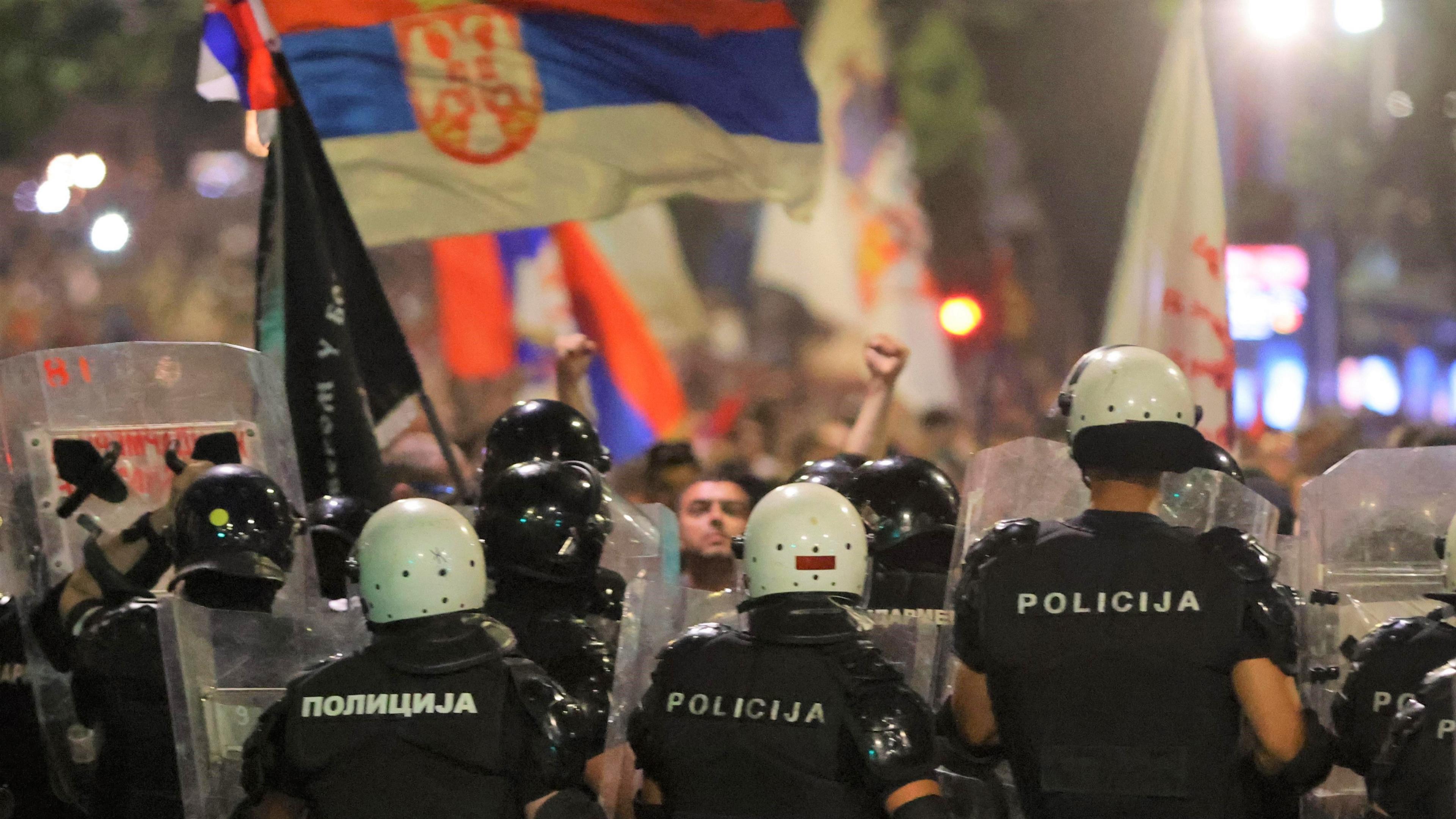
Public anger intensified after the Novi Sad railway station roof collapsed in 2024, killing 16 people. Many demonstrators viewed the disaster as a consequence of alleged corner-cutting and more than a decade of Progressive Party rule. Vučić had closely associated himself with the station’s renovation, promoted as a symbol of Serbia’s progress. Resignations by officials did not end the protests, which drew students, teachers, workers and farmers and later saw unrest amid accusations of police brutality.
Vučić’s resignation means presidential elections must be held within three months. Serbians are therefore expected to vote twice before the end of the year: in a snap parliamentary election in late October and in a presidential election more than a month later. Parliamentary Speaker Ana Brnabić will serve as interim president. Vučić has also pardoned 49 people, including students and party loyalists suspected of protest-related offences.
The Progressive Party will face a student-led anti-corruption movement, Students Win, and a coalition of pro-Western opposition parties called European Serbia. Vučić, a major figure in Serbian politics since becoming prime minister in 2014, has said he wants Serbia to join the EU while maintaining close ties with Russia and welcoming Chinese investment.
Entities: Aleksandar Vučić, Serbia, Belgrade, Novi Sad railway station roof collapse, Serbian Progressive Party • Tone: analytical • Sentiment: neutral • Intent: inform
27-09-2026
Serbian President Aleksandar Vucic announced that he would resign on Sunday and seek the post of prime minister in snap elections scheduled for October. Speaking to supporters at the presidential palace in Belgrade, he said he would transfer his duties to the parliament speaker the following morning and described the presidency as a chapter that had ended, while adding that “the fight is only beginning.” Vucic was serving his second term and could not seek a third under Serbia’s Constitution; his term was otherwise due to end in May 2027.
The article describes Vucic as a dominant figure in Serbian politics for more than a decade, with a background in Serbian nationalism and a past role as a minister under Slobodan Milosevic. His supporters credit him with providing stability, backing development projects and expressing patriotism. Critics accuse him of authoritarian tendencies and say his government is marked by endemic corruption. Internationally, his government has had to balance Serbia’s aspirations to join the European Union with its close ties to Russia.
Vucic had called for early elections in September, citing major turbulence in domestic politics. The article connects that turbulence to the collapse of an awning at a reconstructed railway station in Novi Sad in November 2024, which killed 16 people. The disaster prompted nationwide protests led by students and joined by the opposition. Protesters called for accountability, transparency in public procurement, action against systemic corruption and an early parliamentary vote. The government denied accusations related to the incident, although several officials, including two ministers, were arrested or resigned. The October election is presented as a test of Vucic’s popularity and political future.
Entities: Aleksandar Vucic, Serbia, Belgrade, Serbian Constitution, Slobodan Milosevic • Tone: analytical • Sentiment: neutral • Intent: inform
27-09-2026
Serbian President Aleksandar Vucic resigned on Sunday, September 27, ahead of the October 25 parliamentary elections, clearing the way for him to seek the position of prime minister. His Serbian Progressive Party (SNS), a right-wing populist party, is expected to put him forward as its candidate if it wins the vote. Vucic, who has held the office of prime minister or president since 2014, had announced his intention to step down; his second presidential term was due to end in May, and the constitution bars him from seeking a third term. Supporters gathered outside the Presidency building in central Belgrade to cheer his departure. Vucic thanked them and said he was proud of what he and the public had accomplished together.
The snap parliamentary election was a major demand of a student-led movement that emerged after a canopy collapsed at Novi Sad railway station in November 2024, killing 16 people. The tragedy was widely blamed on corruption and prompted some of Serbia’s largest protests since Slobodan Milosevic’s fall from power in 2000. Calls for a transparent investigation developed into demands for early elections. Vucic had repeatedly promised elections without naming a date, before setting the October 25 vote earlier this month, citing domestic political turbulence.
Under the constitution, outgoing parliament Speaker Ana Brnabic will act as interim president. A presidential election must take place within 90 days, with a campaign lasting 30 to 60 days; Vucic said its first round would be held by the end of December. Just before resigning, he used his constitutional powers to pardon 49 people, including students and party loyalists suspected of offences during the protests. The parliamentary contest will pit the SNS and its allies against the student-led anti-corruption group Students Win and European Serbia, an alliance of pro-Western opposition parties. Those groups and other parties had yet to nominate presidential candidates.
Entities: Aleksandar Vucic, Serbia, Belgrade, Serbian Progressive Party (SNS), October 25 parliamentary elections • Tone: neutral • Sentiment: neutral • Intent: inform