27-09-2026
France 24 introduces a report from Suwałki, Poland, about growing concern that the war in neighbouring Ukraine could spread across the border. Poland is described as a close ally of Ukraine, while Suwałki is located in a region bordering Russia and Belarus. The report characterizes the area as particularly sensitive for NATO countries, highlighting the wider security significance of any potential spillover beyond Ukraine. Journalist Caitlin Brown reports from the city. The supplied page contains only a brief introduction to a 1-minute-50-second video; it does not include the report’s full narration or further details about the concerns, events, or evidence behind them. Accordingly, the available text establishes the subject and location of the report but does not describe a specific cross-border incident or say that the war has spread into Poland. Its focus is the anxiety that the conflict could extend beyond Ukraine and affect a neighbouring country and a strategically sensitive NATO region.
Entities: Poland, Ukraine, Russia, Belarus, NATO • Tone: analytical • Sentiment: negative • Intent: inform
27-09-2026
Finnish and Swedish fighter jets were jointly scrambled on September 24 to intercept a formation of Russian military aircraft over the Gulf of Finland. The operation was the first of its kind for the two Nordic countries and involved Finnish F/A-18 Hornets and Swedish JAS 39 Gripens. The Russian formation included a Tu-134 transport aircraft, MiG-31 interceptors and Su-30 multirole fighters. Sweden’s Air Force commander described the mission as evidence of the countries’ practical cooperation, built on years of trust and close ties.
The interception took place amid wider concern about Russian activity near NATO’s eastern flank. The article cites recent incidents involving Russian drones in Polish airspace, a helicopter crossing from Kaliningrad into Poland, drones crashing in Romania and Moldova, and Russian jets entering Estonian airspace before NATO aircraft intercepted them on September 18.
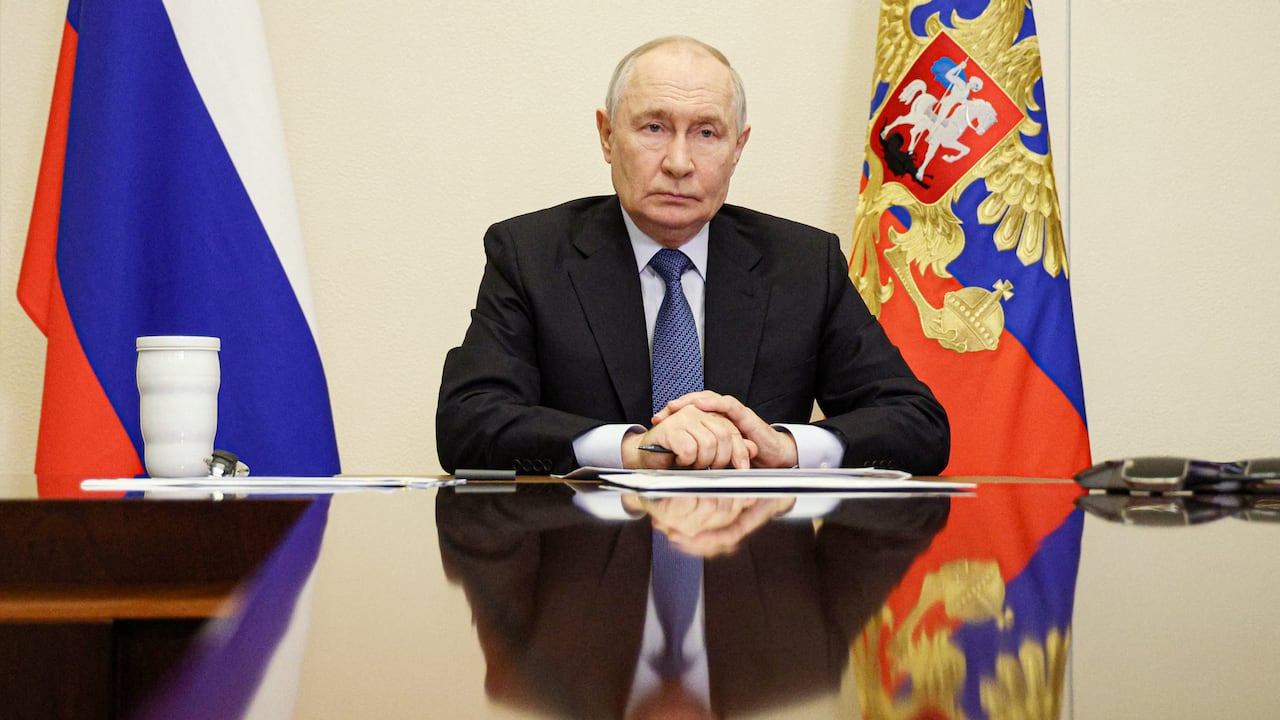
Estonian Defense Minister Martin Herem warned that Russia could be capable of using military force against Estonia within a year and said the country must assess whether its defenses are adequate. Prime Minister Kristen Michal said Estonia was prepared to close border crossings if threat assessments changed. Russian President Vladimir Putin rejected claims that Moscow is preparing to attack Europe, saying Russia has no such plans or motive. He also ridiculed Herem’s warning as “political clowning” and “complete nonsense.”
The article places the joint mission within the changing security landscape of northern Europe. Finland joined NATO in April 2023, followed by Sweden in March 2024; Estonia has been a member since 2004. The region has also faced heightened concern over pipeline incidents, sabotage and hybrid threats since Russia’s invasion of Ukraine. NATO says it is strengthening protection for eastern members in cyber and space domains and helping them build resilience against hostile actions.
Entities: Finland, Sweden, Russia, Estonia, Gulf of Finland • Tone: analytical • Sentiment: negative • Intent: inform
27-09-2026
The article examines whether Russia is preparing to escalate against NATO, and whether the Kremlin has decided to act or is still weighing its options. European military experts say Russia is actively planning possible aggression in several forms, though that does not prove an attack has been authorized. Poland’s foreign minister warned that Moscow may be preparing “something big,” while a Danish threat assessment raised the possibility of a Russian missile strike on NATO infrastructure supporting Ukraine, potentially within weeks.
Recent incidents have heightened concern: Germany blamed Russia for an attempted drone strike at Leipzig airport, Polish authorities suspect Kremlin agents were behind an arson attack on a communications station serving Ukraine’s military, and a Russian strike hit a Ukrainian passenger train near the Polish border while European VIPs were aboard. Russia confirmed the train strike but denied targeting the visitors.
Analysts say Moscow might seek a limited action that violates NATO territory, testing the alliance’s unity while making a direct military response politically difficult. The article also notes that Putin denies Russian aggression and portrays NATO as the threat. Russia’s heavy losses and economic strain from its war in Ukraine could, according to an Estonian commander, make Putin more willing to target Ukraine’s European supporters. A Russian state-media article briefly raised the prospect of strikes against Lithuania and even nuclear weapons, before being removed and disavowed.
The article draws parallels with the period before Russia’s 2022 invasion of Ukraine, when denials and diplomacy continued as invasion preparations advanced. But it stresses that the evidence is not uniform: Estonia’s top interior official said there are no signs that Russia currently intends to attack a NATO ally, and there is no indication of troops massing on NATO’s eastern flank. The excerpt ends before the article’s full discussion of differing assessments is available.
Entities: Vladimir Putin, Justin Bronk, Radoslaw Sikorski, Boris Johnson, Tarmo Miilits • Tone: analytical • Sentiment: negative • Intent: analyze