23-08-2026
A landfill disaster in Conakry, Guinea, has killed 30 people after heavy overnight rains caused a large mound of waste to collapse. The collapse engulfed homes located near the landfill, creating a deadly situation for residents and prompting an ongoing emergency response. Authorities reported that dozens of people were also injured in the incident, although the article does not provide details about the severity of their injuries or identify the victims. Rescue teams remained at the site searching for people who may still be trapped beneath the waste and debris. The report does not specify the exact landfill, the number of homes affected, or whether additional casualties were expected to be found. It also does not provide information about the cause of the landfill’s instability beyond the connection to the heavy rains. The incident highlights the immediate dangers posed when waste sites are located near residential areas during periods of severe weather. Al Jazeera published the report on 23 August 2026 as a news update focused on the collapse, the confirmed death toll, injuries, and continuing rescue operations. The situation remained active at the time of publication, with emergency teams still conducting searches at the site.
Entities: Conakry, Guinea, Al Jazeera, landfill collapse, heavy overnight rains • Tone: urgent • Sentiment: negative • Intent: inform
23-08-2026
At least 30 people have been killed in Guinea’s capital, Conakry, after a mound of rubbish at a major landfill collapsed onto nearby homes in the Dar-es-Salam area. The collapse occurred at about 02:00 local time after heavy rain overnight, according to the Guinean government. A further 22 people were injured, six of them seriously, and authorities warned that the death toll could rise because more people may be trapped beneath the debris.
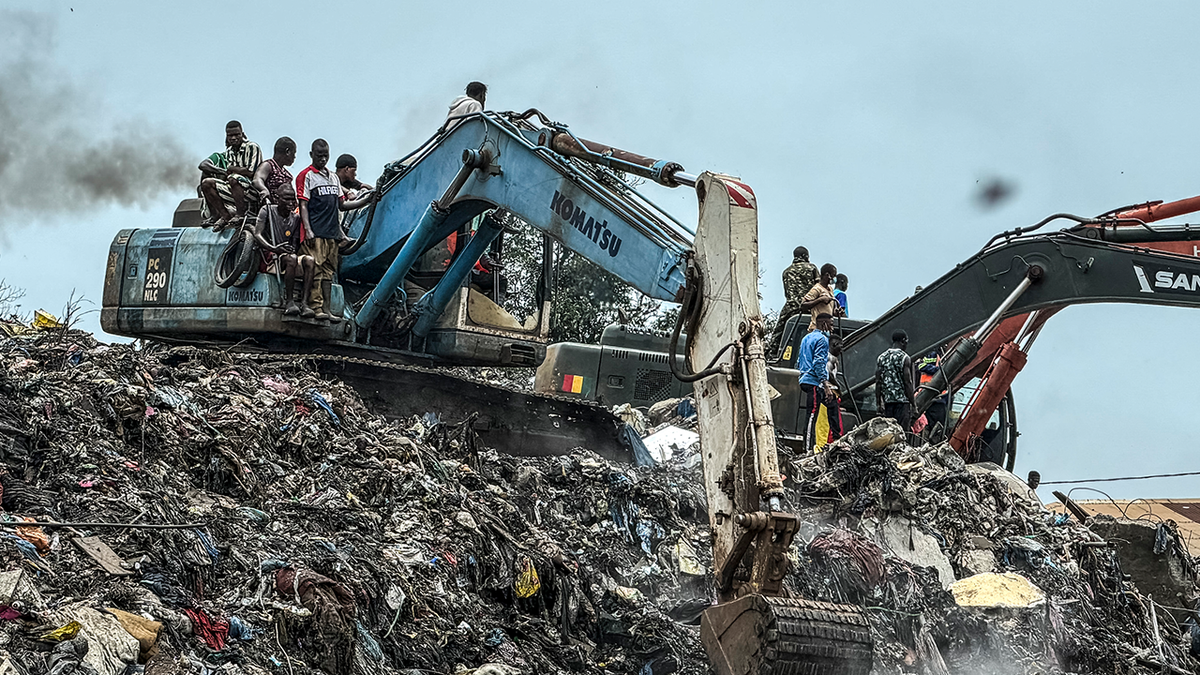
The government said significant resources and personnel, including members of the military, had been sent to the site to search for survivors. Rescuers were seen using excavators to sift through a large mass of scattered rubbish while local residents gathered nearby. Guinea’s Prime Minister, Mamadou Oury Bah, visited the scene to assess the situation and supervise the search operation.
A woman told local media that all five of her children had died in the collapse. Neighbourhood leader Lancine Sylla said that 18 bodies had been recovered and taken to a morgue, highlighting the scale of the ongoing rescue and recovery effort. The reported death toll from the government is higher than the number cited earlier by Sylla, suggesting that authorities may have identified additional victims.
The incident has raised renewed concerns about safety at the landfill. A previous landslide at the same site killed 10 people in 2017. The latest disaster follows heavy rainfall and has struck homes located close to the waste mound, underscoring the risks faced by communities living near the landfill.
Entities: Guinea, Conakry, Dar-es-Salam, Mamadou Oury Bah, Lancine Sylla • Tone: urgent • Sentiment: negative • Intent: inform
23-08-2026
At least 30 people were killed when a landfill collapsed in Guinea’s capital, Conakry, officials said on Sunday. The disaster occurred at the Dar Es Salam landfill after heavy overnight rains caused a large mound of rubbish to give way before dawn. The collapse buried nearby homes and seriously injured at least six other people.
Guinea’s minister for territorial administration, Djenabou Toure, visited the site as rescue workers used excavators and other earthmoving equipment to search for additional victims. The operation was focused on recovering bodies from the debris and determining whether more people remained trapped.
The landfill had already been identified as a danger to surrounding residents. The government had ordered people living in nearby informal housing to leave because of concerns that the site could collapse. Balde Mamadou Bailo, the sanitation officer for the Military Engineering Battalion, said the Dar Es Salam landfill was scheduled to close on the same day as the disaster.
The incident highlights the risks posed by poorly managed or overcrowded waste sites, particularly during the rainy season. Heavy seasonal rainfall has triggered similar landfill collapses in other countries, including Uganda and Ethiopia, where such accidents have also caused fatalities. The article does not provide details about the identities of the victims, the extent of property damage, or whether officials planned further evacuations after the collapse.
Entities: Guinea, Conakry, Dar Es Salam landfill, landfill collapse, heavy overnight and seasonal rains • Tone: neutral • Sentiment: negative • Intent: inform
23-08-2026
At least 30 people were killed in Conakry, Guinea, on Sunday, Aug. 23, 2026, after a landslide caused the Dar Es Salam open-air landfill to collapse onto nearby homes and shacks. The landfill, described as the largest waste dump in the West African country’s capital, became unstable after heavy overnight rainfall washed over the accumulated refuse. The weight of the garbage reportedly caused a three-story building beneath the landfill to cave in, trapping victims under the debris.
Six people suffered serious injuries, several homes were destroyed, and authorities launched a search-and-rescue operation to locate survivors. Residents and rescuers used an excavator to search the site. Officials had reportedly planned to close the landfill on the day of the disaster because of hazardous conditions. Lt. Col. Baldé Mamadou Bailo, a sanitation officer with the military engineering battalion, said the decision followed warnings about the site’s safety and reports of a similar previous incident.
Residents living near the landfill had received eviction notices and were instructed to leave as a precaution. However, many people remained in the area when the collapse occurred. Dienabou Touré, Guinea’s minister of territorial administration and decentralization, said the government would relocate the families who remained near the site.
The disaster was not the first deadly incident at Dar Es Salam. Reuters reported that torrential rain caused a mudslide at the landfill in 2017, killing at least eight people. The latest collapse highlights the dangers posed by the landfill’s unstable waste piles, heavy rainfall, and continued habitation near the site.
Entities: Guinea, Conakry, Dar Es Salam landfill, Dar Es Salam landslide, Heavy overnight rainfall • Tone: urgent • Sentiment: negative • Intent: inform
23-08-2026
A landslide at a landfill in Conakry, Guinea, killed 30 people after heavy overnight rains caused a large mound of waste to collapse, according to the Guinean government. The incident occurred at about 2 a.m. local time on Sunday in the Gbessia commune, where the landfill was surrounded by tents, shacks and other precarious dwellings. Six people were seriously injured and 16 others sustained light injuries.
Rescue teams used excavators and other equipment to remove debris and search for survivors. Witnesses said the landslide was massive enough to bury a block of flats as well as nearby informal structures, indicating the scale of the disaster and the risks posed by the landfill’s location.
The collapse occurred less than a week after the government announced plans to shut the site and relocate the waste. Officials had identified the landfill as a serious danger, particularly during Guinea’s rainy season, when heavy precipitation can trigger landslides and deadly flash floods. Such disasters are a recurring threat in densely populated and underdeveloped cities across parts of West Africa.
The tragedy has also brought personal loss into sharp focus. Cire Diallo, a woman who spoke to reporters at the scene, said that all five of her children had been killed. Her account underscored the devastating impact on families living near the landfill. Rescue operations were continuing as workers cleared the site and searched for additional victims or survivors.
Entities: Guinea, Conakry, Gbessia commune, Cire Diallo, Guinean government • Tone: urgent • Sentiment: negative • Intent: inform