19-08-2026
The article reports that the United States has imposed sanctions on Tomoko Akane, president of the International Criminal Court (ICC), and Abdoulaye Seye, an ICC trial lawyer. The US government says the sanctions are intended to protect Americans, although the article notes that the ICC has never charged a US citizen. The measures target senior officials at a court whose jurisdiction and investigations have been strongly contested by the United States and other governments. Seye is currently investigating alleged Israeli war crimes in Gaza, making the sanctions particularly significant in relation to the Israel-Gaza conflict and international accountability efforts. The brief report does not provide details about the specific sanctions, such as travel restrictions or financial measures, nor does it include responses from the ICC, the sanctioned officials, Israel, or other governments. It also does not explain whether the sanctions are directly linked to Seye’s Gaza investigation or to broader US objections to the ICC’s authority. The central development is therefore the US decision to sanction the ICC’s president and a senior lawyer while presenting the action as a measure to defend Americans, despite the absence of any ICC charges against US citizens. The article frames the move as controversial because it affects officials connected to investigations into alleged war crimes and raises questions about the relationship between US foreign policy, the ICC, and international legal accountability.
Entities: United States, International Criminal Court (ICC), Tomoko Akane, Abdoulaye Seye, Gaza • Tone: neutral • Sentiment: negative • Intent: inform
19-08-2026
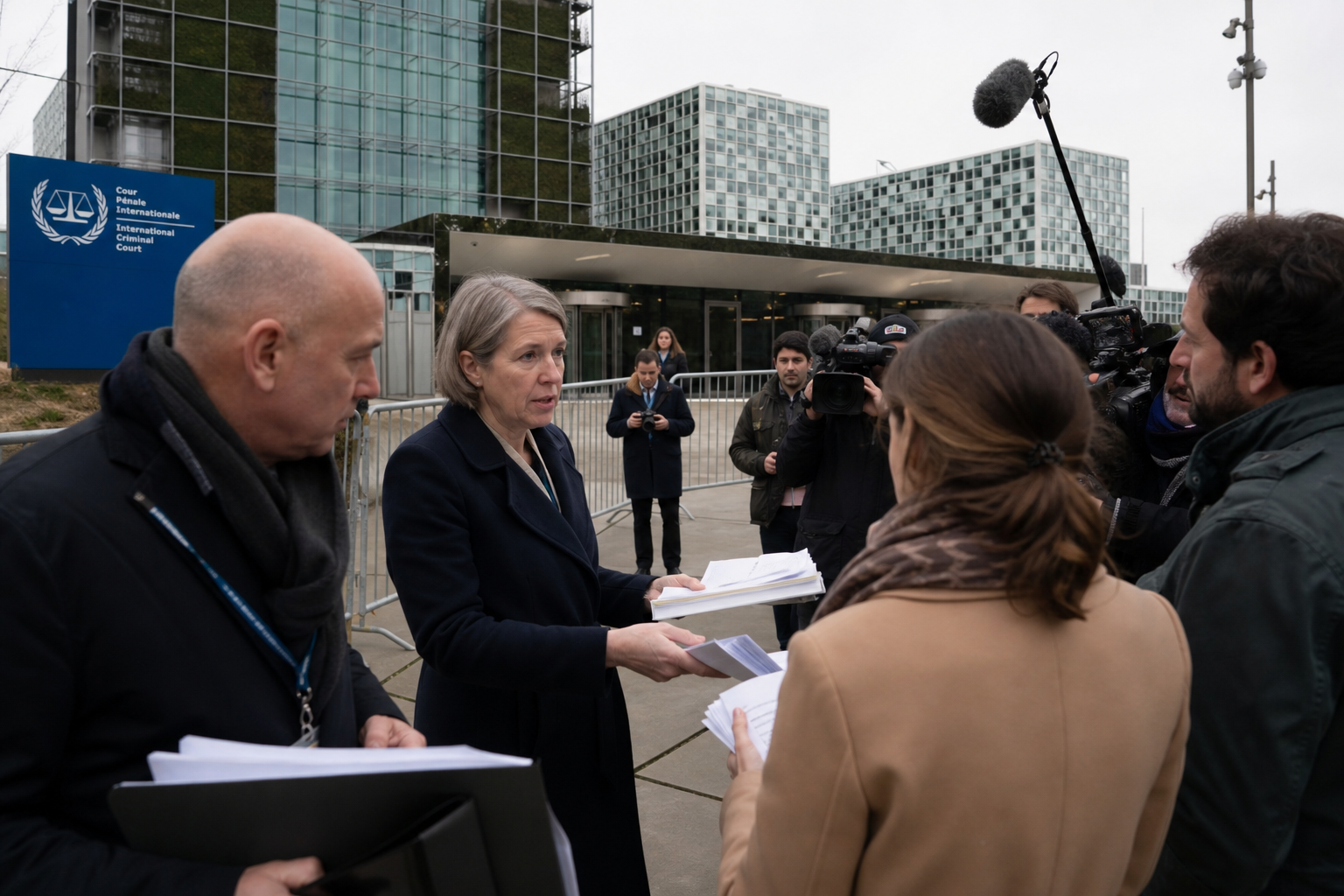
The United States has announced sanctions against International Criminal Court (ICC) President Tomoko Akane and Senior Trial Lawyer Abdoulaye Seye, marking the latest escalation in the Trump administration’s campaign against the court. US Secretary of State Marco Rubio accused the two officials of helping prosecute individuals whose governments have not accepted ICC jurisdiction. He described the ICC as a “corrupt and fatally politicized supranational court” that has exceeded its mandate and threatened state sovereignty.
The ICC, which was established in 2002 and has 125 member countries, said sanctions against judges, prosecutors and staff undermine the rule of law and place the international legal order at risk. The court has jurisdiction over genocide, crimes against humanity and war crimes in member states, as well as situations referred by the UN Security Council.
The new measures add to sanctions already imposed on at least 11 ICC officials, including nine judges and the chief prosecutor. They include asset freezes, travel bans and restrictions on services from US companies. Washington previously imposed sanctions in response to ICC investigations into US personnel in Afghanistan and arrest warrants for senior Israeli officials, including Prime Minister Benjamin Netanyahu, over alleged war crimes in Gaza. The US and Israel are not ICC members, although Palestine joined the court in 2015.
Rubio has also urged all ICC member states to withdraw from the institution, saying the US intends to dismantle it “brick by brick.” Human rights organizations have condemned the campaign, arguing that it weakens international justice and helps governments avoid accountability. Four US rights groups have sued the administration, while three ICC judges have separately challenged sanctions in federal court. The administration maintains that President Trump lawfully imposed the measures under the International Emergency Economic Powers Act. Because the sanctions affect dollar transactions and banks with US ties, they may severely restrict the targeted individuals’ ability to conduct routine financial business.
Entities: International Criminal Court (ICC), United States sanctions campaign, Marco Rubio, Tomoko Akane, Abdoulaye Seye • Tone: analytical • Sentiment: negative • Intent: inform
19-08-2026
The United States has announced new sanctions against senior figures at the International Criminal Court (ICC), intensifying the Trump administration’s campaign against the institution. Secretary of State Marco Rubio said the measures target ICC President Tomoko Akane and senior trial lawyer Abdoulaye Seye. Washington accused both officials of participating directly in efforts to investigate, arrest, detain, or prosecute nationals of countries that have not accepted the court’s jurisdiction or ratified the Rome Statute.
Rubio described the ICC as a “corrupt and fatally politicised supranational court” that had abused its authority and exceeded its mandate. The United States has repeatedly criticised the court for what it calls politicised actions, particularly its focus on Israel. In November 2024, the ICC issued an arrest warrant for Israeli Prime Minister Benjamin Netanyahu in connection with the war in Gaza.
The ICC reportedly responded that the sanctions undermine the rule of law and put the wider international legal order at risk by threatening judicial officials for applying the law. The court’s reaction came as Washington expands a campaign announced in July to weaken or “systematically disable” the organisation’s ability to operate.
Potential measures identified by the State Department include additional sanctions, visa revocations, and travel bans against ICC personnel. The United States has already sanctioned several court members, including judges. The latest actions therefore represent an escalation in the continuing confrontation between Washington and the ICC over the court’s jurisdiction, its investigations involving officials from non-member states, and its legal actions concerning Israel and Gaza.
Entities: International Criminal Court (ICC), United States, Trump administration, Marco Rubio, Tomoko Akane • Tone: analytical • Sentiment: negative • Intent: inform
19-08-2026
The Trump administration has imposed sanctions on International Criminal Court (ICC) President Tomoko Akane and senior trial lawyer Abdoulaye Seye, further intensifying Washington’s confrontation with the Hague-based tribunal. US Secretary of State Marco Rubio said the sanctions were issued under an executive order signed by President Donald Trump and targeted officials involved in efforts to investigate, arrest, detain, or prosecute individuals whose governments had not accepted ICC jurisdiction.
Akane, a Japanese judge, leads the ICC. Seye, a Senegalese national, is part of the prosecution team that sought an arrest warrant for Israeli Prime Minister Benjamin Netanyahu and has been nominated for election as an ICC judge. The sanctions freeze any US-based assets held by the two officials and block them from the American financial system. A US Treasury general licence permits transactions involving them to be wound down through September 17.
The ICC condemned the action, warning that sanctions against judicial officials threaten the international legal order. The move has also created friction between Washington and European allies. Dutch Foreign Minister Tom Berendsen said the Netherlands, which hosts the ICC, disapproved of the sanctions and invited Akane to discuss continued Dutch support for the court.
The United States has never joined the ICC and has long rejected the court’s jurisdiction over US officials. Established in 2002, the ICC prosecutes genocide, war crimes, and crimes against humanity, including crimes committed in member states by nationals of countries that are not members.
The Trump administration has previously sanctioned ICC prosecutors and judges over investigations involving Netanyahu, former Israeli Defence Minister Yoav Gallant, and US troops in Afghanistan. Trump has said the campaign is intended to protect Netanyahu and others from prosecution, while Rubio has indicated that Washington will seek to undermine the ICC and persuade other countries to leave it. Akane previously warned that US sanctions could severely damage the court’s operations and threaten its existence.
Entities: United States government, Trump administration, International Criminal Court (ICC), Tomoko Akane, Abdoulaye Seye • Tone: analytical • Sentiment: negative • Intent: inform