19-08-2026
South Korean President Lee Jae Myung has renewed calls for peace talks with North Korea to formally end the Korean War, which technically continues because the 1953 agreement was an armistice rather than a peace treaty. In a Korean Liberation Day speech, Lee urged the two Koreas to stop threatening one another and begin discussions as the parties directly involved. He also suggested that talks could address North Korea’s advancing nuclear capabilities.
The article presents the proposal as significant but difficult to implement. South Korea’s centre-left Lee administration has adopted a more conciliatory policy than that of former President Yoon Suk Yeol, who was impeached and later sentenced to life in prison for rebellion related to an attempted imposition of military rule. Analysts say Lee still supports engagement, peace-building and, eventually, Korean unification if conditions permit.
North Korea, however, has moved in the opposite direction. Kim Jong Un’s government has abandoned its stated goal of unification, designated South Korea its most hostile state, closed or fortified the border, and continued developing nuclear weapons and missiles. Experts say Pyongyang views its nuclear arsenal as essential to regime survival and sees engagement with the South as a threat to its political legitimacy.
The proposal also faces complications involving the United States and Russia. Some South Koreans regard a peace treaty as unfinished business or a possible first step toward broader cooperation, while others fear that formally ending the war could affect the US-South Korea alliance. North Korea has not officially responded to Lee’s outreach and has strengthened ties with Russia, which is reportedly providing financial, energy and military benefits. At the same time, uncertainty about US President Donald Trump’s commitment to South Korea, including a reported reduction in joint military exercises, further complicates diplomacy.
For members of the Korean diaspora, the initiative carries deep personal significance. One Australian resident said dialogue could achieve peace but stressed that peace also requires respect for human life and individual rights. The supplied article ends while discussing Trump’s decision on military exercises.
Entities: Lee Jae Myung, Kim Jong Un, South Korea, North Korea, Korean War • Tone: analytical • Sentiment: neutral • Intent: analyze
19-08-2026
South Korea and the United States have shortened and reduced their annual Ulchi Freedom Shield military exercise after US President Donald Trump ordered a “substantial reduction” in the war games. The drills, which began on August 17, will end on August 21 instead of running for 11 days. Some field manoeuvre training has also been reduced, and South Korean media reported that the exercise’s planned second phase, involving counterattack operations, could be cancelled. The US Department of Defense said some live-training events had been cancelled or replaced with simulations, while maintaining that essential readiness and US training objectives would not be affected.
The decision followed Trump’s statement that he wanted to reduce the US role in the exercises because of his “very good relationship” with North Korean leader Kim Jong Un. Trump also linked the move to South Korea’s refusal to participate in the US-Israeli war on Iran. South Korean Foreign Minister Cho Hyun said neither Seoul nor US officials had been informed in advance, suggesting that Trump’s announcement may have been intended to pressure South Korea over the Iran conflict.
North Korea, which routinely condemns the exercises as invasion rehearsals, again denounced the drills and said it would continue exercising its right to self-defence. Seoul said the exercises were not intended to attack North Korea or escalate tensions. Trump separately claimed that Kim had responded to his outreach and said his relationship with the North Korean leader was making the situation safer. Reports indicated that Trump was seeking an in-person meeting with Kim during a possible November trip to Asia.
The changes have raised broader concerns about US security commitments in East Asia. The United States maintains approximately 28,500 troops in South Korea, while Japan and Australia emphasized the importance of regional security cooperation and expressed concern about North Korea’s nuclear and missile programs.
Entities: South Korea, United States, Ulchi Freedom Shield, Donald Trump, Kim Jong Un • Tone: analytical • Sentiment: negative • Intent: inform
19-08-2026
South Korea has announced that its annual Ulchi Freedom Shield military exercise with the United States will end six days earlier than planned, following a request from Washington. The 2026 drills will conclude on 21 August instead of 27 August, and the field-training portion will also be partially reduced in scale. Seoul said the exercise’s period and scale were adjusted following a proposal from the US, although the specific details of the reduction remain under discussion.
The change follows President Donald Trump’s recent statements that the United States should reduce military exercises with South Korea. Trump described the drills as expensive and unnecessarily hostile, and connected his decision to South Korea’s refusal to assist the US with a military operation related to the denuclearization of Iran. He also cited his relationship with North Korean leader Kim Jong Un.
South Korean Foreign Minister Cho Hyun told lawmakers that neither South Korean nor US officials had been informed in advance of Trump’s plans. The announcement also comes amid reports that Trump is pressing advisers to arrange an in-person meeting with Kim, potentially during his expected visit to Asia for the Asia-Pacific Economic Cooperation summit in China in November.
The exercise had initially been expected to resemble previous years’ drills, with about 18,000 South Korean troops participating. Approximately 28,500 US military personnel are stationed in South Korea. US officials have said the training takes account of North Korea’s deployment of troops to support Russia’s war against Ukraine. North Korea’s foreign ministry has condemned the exercises as preparations for an aggressive war. The reduction may signal an effort by Washington to lower tensions with Pyongyang, while also raising questions about the future scale of the US-South Korea security partnership.
Entities: Donald Trump, Kim Jong Un, South Korea, United States, Ulchi Freedom Shield • Tone: neutral • Sentiment: neutral • Intent: inform
19-08-2026
The United States and South Korea have agreed to shorten their annual Ulchi Freedom Shield military exercises at the request of President Trump. The drills began Monday and were originally scheduled to last 11 days, but a Pentagon official said they would end Friday, one week earlier than planned. The Defense Department said the exercises had been “substantially reduced,” with some live-training events canceled or changed into simulations. Officials maintained that the changes would preserve essential readiness and training objectives.
South Korea’s Joint Chiefs of Staff confirmed that the shortened schedule and reductions in some field exercises were requested by the United States. The two countries said they would continue discussing ways to meet the exercise’s goals and maintain a combined defense posture.
Trump cited his relationship with North Korean leader Kim Jong Un and South Korea’s refusal to join the U.S. war against Iran as reasons for reducing the drills. However, experts warned that the decision could undermine combined U.S.-South Korean military readiness and weaken the alliance, which dates back to the Korean War.
Ulchi Freedom Shield is primarily a computer-simulated command-post exercise designed to prepare the allies for regional threats, particularly possible North Korean aggression. The drills, along with a similar spring exercise, have long been viewed as central to the alliance but are condemned by North Korea as preparations for an invasion. North Korea has previously responded to the exercises with missile tests, and its state media again denounced them as dangerous and vowed to oppose the allies.
Analysts said Kim is unlikely to accept Trump’s outreach without significant concessions, especially as North Korea expands its nuclear capabilities and military partnerships. Previous U.S.-North Korean diplomacy, including three Trump-Kim meetings from 2018 to 2019, collapsed over disagreements about sanctions relief and denuclearization.
Entities: Donald Trump, Kim Jong Un, Pete Hegseth, United States, South Korea • Tone: analytical • Sentiment: negative • Intent: inform
19-08-2026
South Korea will shorten its annual Ulchi Freedom Shield military exercise with the United States by roughly half, following a U.S. proposal and President Donald Trump’s direction to substantially reduce the Pentagon’s participation. The command-post exercise will now run from Aug. 17 to Aug. 21 rather than through Aug. 27, while some of the 14 planned combined field-training programs will also be scaled back. The exercise was expected to involve approximately 18,000 South Korean troops.
The reduction comes as Trump reportedly seeks to revive direct diplomacy with North Korean leader Kim Jong Un. According to The Wall Street Journal, Trump has discussed arranging an in-person meeting with Kim as early as this fall, potentially during a November trip to Asia for the Asia-Pacific Economic Cooperation summit in Shenzhen, China. Trump and Kim previously met during Trump’s first term, including at a 2018 summit in Singapore.
The simultaneous moves represent an intensified effort by Washington to engage Pyongyang, but they are also creating concern in Seoul and raising questions about the future of the roughly 70-year U.S.-South Korea alliance. The relationship has already been strained by disagreements over wartime operational control and South Korea’s refusal to support U.S. efforts related to Iran.
Jennifer Kavanagh of Defense Priorities said South Korea and other U.S. partners could respond by increasing defense spending, expanding military cooperation with neighbors, and building greater defense autonomy. She argued that a smaller U.S. military presence could reduce Washington’s defense burden and the risk of a major war, including with China, but acknowledged that the United States could lose influence as allies become more self-sufficient.
Entities: Donald Trump, Kim Jong Un, South Korea, United States, North Korea • Tone: analytical • Sentiment: negative • Intent: inform
19-08-2026
The United States and South Korea have agreed to shorten their annual Ulchi Freedom Shield military exercises by approximately half, following criticism from US President Donald Trump. The drills began on Monday and were originally scheduled to continue until August 27, but South Korea’s Joint Chiefs of Staff said they will now conclude on August 21. The allies also agreed to reduce the scope of some activities, including downsizing certain joint field-training exercises, at the suggestion of the United States.
Trump said on Sunday that he had instructed the Pentagon to scale back the exercises because they were expensive and sent an “inappropriate and hostile” signal to North Korea. He said it was too late to cancel the drills entirely and argued that Pyongyang had been “unthreatening and respectful” toward Washington during his presidency. Trump also pointed to his positive relationship with North Korean leader Kim Jong Un. In the same statement, he criticized South Korea for declining to participate in US actions aimed at denuclearizing Iran.
North Korea’s state media condemned the exercises as an immediate and open threat, describing the United States and South Korea as “warmongers” whose actions increase tensions on the Korean Peninsula. Pyongyang said it would continue exercising its right to self-defense. South Korean President Lee Jae Myung has maintained that the drills are defensive and are not intended to attack North Korea or raise regional tensions.
Ulchi Freedom Shield is primarily a computer-simulated command-post exercise intended to prepare for a possible North Korean attack. Its first phase focused on defending against threats from the north. A second phase, reportedly canceled, would have involved practicing a counteroffensive through August 27.
Entities: United States, South Korea, North Korea, Donald Trump, Lee Jae Myung • Tone: analytical • Sentiment: neutral • Intent: inform
19-08-2026
The United States and South Korea have agreed to shorten and scale back their Ulchi Freedom Shield military exercises at Washington’s request, only days after US President Donald Trump ordered Defence Secretary Pete Hegseth to substantially reduce the drills. The exercises were originally scheduled to run until 27 August but will now end on Friday, while some joint field-training activities will also be downsized.
Trump described the exercises as “totally inappropriate and hostile” toward North Korea, citing his reportedly good relationship with North Korean leader Kim Jong Un and South Korea’s refusal to participate in the US war against Iran. The decision appears intended to encourage renewed US-North Korean diplomacy, although it has raised concerns that reducing the drills could weaken the allies’ military readiness.
Ulchi Freedom Shield is primarily a computer-simulated command-post exercise designed to prepare the allies for possible North Korean aggression. This year’s drills were planned in two phases: defensive operations simulating North Korean attacks, followed by counteroffensive exercises. North Korea has long condemned such training as preparation for an invasion and recently launched two ballistic missiles into the sea before the exercises began.
North Korea’s state news agency, KCNA, denounced the drills as dangerous and vowed to neutralise what it called threats from the United States and its allies. Experts doubt Kim will quickly respond to Trump’s outreach, citing North Korea’s advancing nuclear programme, closer military ties with Russia and its demand that Washington abandon denuclearisation as a precondition for talks.
South Korean President Lee Jae Myung’s office welcomed the possibility of renewed dialogue, but conservative critics accused the government of putting diplomacy ahead of security. The article presents the shortened exercises as an attempt to create diplomatic space while warning that the move could increase uncertainty about the US-South Korean defence posture.
Entities: Donald Trump, Kim Jong Un, Pete Hegseth, Lee Jae Myung, United States • Tone: analytical • Sentiment: negative • Intent: analyze
19-08-2026
South Korean President Lee Jae Myung called for stronger independent military capabilities after U.S. President Donald Trump ordered a substantial reduction in U.S. participation in joint military exercises with South Korea. Lee made the remarks during a cabinet meeting one day after the annual Ulchi Freedom Shield exercises began. He described the drills as purely defensive and argued that a stronger South Korean military would reinforce the U.S.-South Korean alliance and increase Seoul’s value as an ally.
Lee said South Korea’s primary objective remains maintaining peace with North Korea, but emphasized the need to prepare for a worst-case scenario. He specifically cited the development of South Korea’s nuclear-powered submarine program as one area requiring greater attention. His comments came amid heightened regional tensions, including North Korean ballistic missile activity.
Trump said the exercises were expensive, with much of the cost paid by the United States, and argued that they sent an unnecessarily hostile signal to North Korea. He pointed to his positive relationship with North Korean leader Kim Jong Un and described Kim’s government as unthreatening and respectful during Trump’s presidency. Trump’s decision reflects his preference for reducing military activities that could complicate diplomatic engagement with Pyongyang.
South Korean National Security Adviser Wi Sung-lac said Seoul hoped the relationship between Trump and Kim would produce meaningful U.S.-North Korea dialogue and lasting change. Trump also criticized South Korea for declining to join a U.S. effort to denuclearize Iran, although he acknowledged that issue was only loosely connected to the military-exercise dispute. The article presents the reduction in drills as a development that could test alliance dynamics while prompting South Korea to strengthen its own defense capabilities.
Entities: Lee Jae Myung, Donald Trump, Kim Jong Un, South Korea, North Korea • Tone: analytical • Sentiment: neutral • Intent: inform
19-08-2026
Annual Ulchi Freedom Shield military exercises involving South Korea and the United States will end on August 21, about a week earlier than originally scheduled, following President Donald Trump’s call to scale back the drills. Trump described the exercises as “inappropriate and hostile” toward North Korea and said he ordered the Pentagon to curtail them because of his reportedly good relationship with North Korean leader Kim Jong Un. South Korea said the adjustment was made at the suggestion of the US side, while a South Korean official characterized the decision as unusual and said Seoul had not been informed in advance of Trump’s announcement.
The Pentagon said the substantially reduced exercises would preserve essential military readiness and would not undermine US training objectives. The drills are intended to prepare allied forces for a possible North Korean attack. Their second phase, focused on a counteroffensive and scheduled for August 24–27, was reportedly cancelled, while the first phase, centered on defense, was completed as planned through August 21.
North Korea’s state media condemned the exercises as “the most immediate and open threat” to the country and regional security, but did not mention Trump’s order or his stated interest in renewing talks with Kim. Analysts suggested that Pyongyang’s silence could be deliberate, preserving the issue as a potential bargaining point in future negotiations.
Trump has claimed that his relationship with Kim is making the situation “much safer” and said their recent discussions were positive. Analysts noted that reducing or suspending the exercises has historically been a North Korean prerequisite for dialogue. Reports indicated Trump may seek a meeting with Kim before the US midterm elections, potentially to advance diplomacy and reinforce his foreign-policy legacy. The decision also occurs amid broader concerns about Trump’s criticism of US alliances and its effect on regional confidence. The United States maintains approximately 28,500 troops in South Korea under the armistice framework established after the 1950–53 Korean War.
Entities: Donald Trump, Kim Jong Un, South Korea, United States, North Korea • Tone: analytical • Sentiment: neutral • Intent: inform
19-08-2026
South Korea has confirmed that the annual Ulchi Freedom Shield (UFS) military exercise with the United States will end on 21 August, six days earlier than planned, after a request from Washington. The decision follows Donald Trump’s public criticism of US participation in the drills, which he described as costly and hostile toward North Korea despite his “very good relationship” with its leader, Kim Jong-un.
South Korea’s joint chiefs of staff said the computer-simulated command exercise would end early and that related outdoor field-training exercises would also be partially reduced. The Pentagon later confirmed that the US military was “substantially” reducing joint exercises with South Korea. South Korean Foreign Minister Cho Hyun said Seoul had not been informed of Trump’s directive in advance. Local media had reported that the exercise’s second phase, involving a simulated counterattack against North Korea, might be canceled entirely, although the official statement did not confirm that specific report.
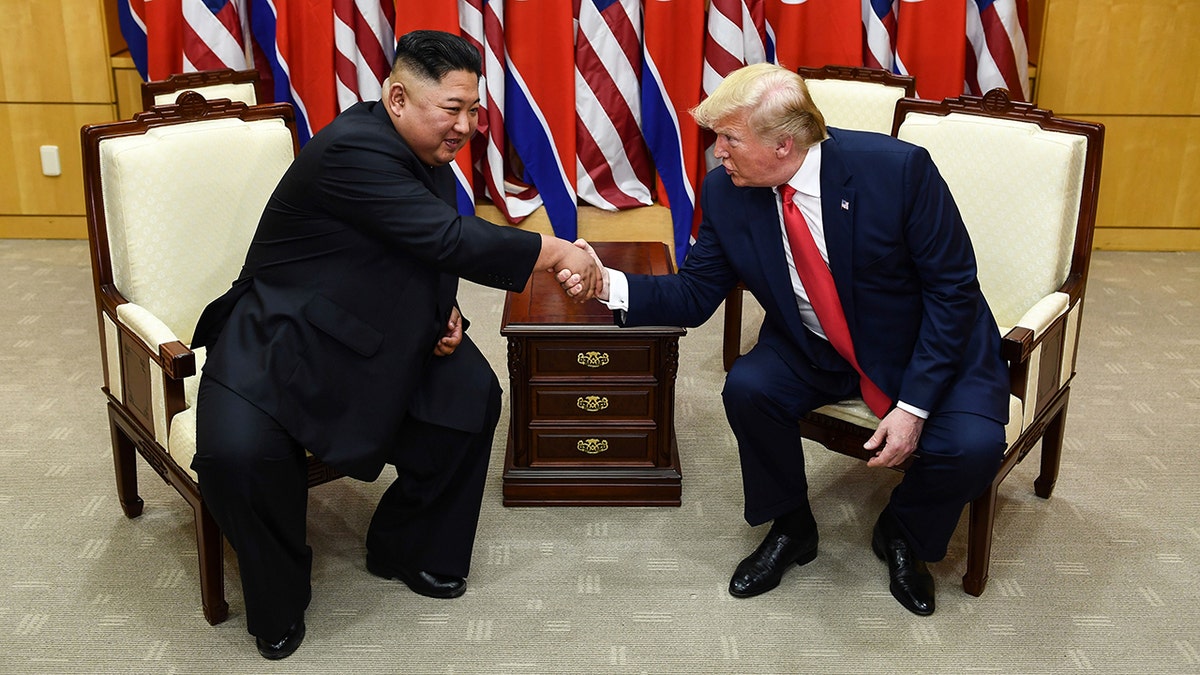
The changes come amid indications that Trump is seeking renewed talks with Kim. The Wall Street Journal reported that Trump’s aides were considering arranging an in-person meeting during a possible November trip to Asia for the Asia-Pacific Economic Cooperation summit in Shenzhen, China. Trump has said Kim responded to his outreach, while declining to provide details. The two leaders met three times during Trump’s first term, including at the demilitarized zone in 2019.
The report places the decision in the broader context of the US military presence in South Korea and the countries’ longstanding alliance. Their forces have trained together since the 1953 armistice, and previous reductions in joint exercises were made before drills began. A South Korean analyst warned that renewed diplomacy could lead to further reductions, including suspension of exercises or cuts to US troop numbers. Seoul says it will continue coordinating with Washington, while President Lee Jae Myung has renewed calls for greater military independence.
Entities: South Korea, United States, Donald Trump, Kim Jong-un, Ulchi Freedom Shield (UFS) • Tone: analytical • Sentiment: neutral • Intent: inform