19-07-2026
The article reports a continuing crackdown on dissent in Russia as authorities target two figures who have broken with the Kremlin over the war in Ukraine. Blogger Ilya Remeslo, who had once strongly supported Vladimir Putin before denouncing him as a “war criminal and thief,” was remanded in custody for two months on suspicion of spreading false information about the military. Separately, Boris Nadezhdin, a former lawmaker and anti-war politician who previously tried to run for president on a peace platform, was fined for “displaying extremist symbols,” a ruling that prevents him from gathering signatures needed to stand in parliamentary elections.
The piece explains that Nadezhdin’s case is especially significant because Russia’s opposition has been heavily weakened: many critics are in exile, while Alexei Navalny died in an Arctic penal colony in 2024 under circumstances Western governments believe involved poisoning. Nadezhdin had already been labeled a “foreign agent,” detained over a social media post that showed Navalny, and barred from leaving Russia. He argues the legal actions against him are intended to silence him and block his political ambitions.
Remeslo’s case shows a different but related facet of the clampdown. Once a Putin supporter and outspoken critic of the opposition, he changed course in March 2026 with a Telegram post titled “Five reasons why I stopped supporting Vladimir Putin,” criticizing the economy and limits on media and internet freedom. He later claimed he was sent to a psychiatric hospital against his will. The article also notes broader signs of pressure on Putin, including fuel shortages from Ukrainian attacks on refineries and polling that shows his approval rating falling to its lowest level since the full-scale invasion began.
Entities: Ilya Remeslo, Boris Nadezhdin, Vladimir Putin, Alexei Navalny, Russia • Tone: analytical • Sentiment: negative • Intent: inform
19-07-2026
Russians are increasingly turning to cash amid a combination of mobile internet shutdowns, higher taxes, inflation, and weakening business conditions, adding strain to an economy already under pressure from the war in Ukraine. The BBC reports that Russia has added 1.56 trillion roubles in cash circulation since the start of the year, the largest such increase for this period outside the Covid-19 era. The immediate trigger for many consumers is practical: repeated Ukrainian drone attacks have prompted Kremlin-mandated mobile internet blackouts over large parts of the country, disrupting card payments and making cash a safer fallback. At the same time, businesses facing tighter margins are steering customers toward cash and, in some cases, using “grey schemes” to avoid taxes and payroll obligations. This shift is undermining the state’s ability to collect revenue just as the Kremlin has raised VAT, lowered tax thresholds for small firms, and needs more income to support war spending and cover a widening budget deficit. The article also notes a broader slowdown in the Russian economy, with the government cutting its 2026 GDP growth forecast to 0.4%. Despite high interest rates on deposits, cash withdrawals have surged, signaling declining trust in banks and a resurgence of the Soviet-era habit of keeping money at home. Experts quoted in the piece describe a contradiction between the state’s efforts to raise revenue and its own security measures, which inadvertently make tax collection harder.
Entities: Russia, Ukraine, Moscow, Pskov, Kremlin • Tone: analytical • Sentiment: negative • Intent: analyze
19-07-2026
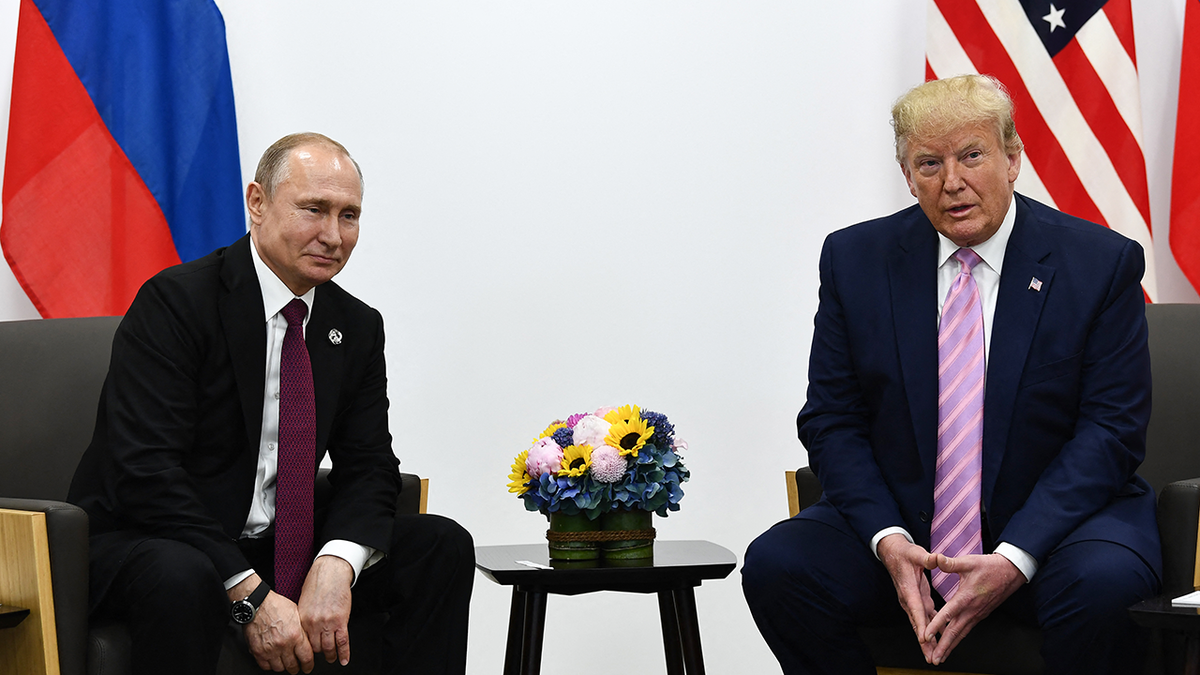
Fox News reports that President Donald Trump said he believes Russian President Vladimir Putin is ready to negotiate an agreement to end the war in Ukraine, quoting Trump’s appeal to Putin that it is “time for you to stop.” The story places Trump’s comments alongside ongoing battlefield developments and escalating rhetoric from Moscow. Russia’s Foreign Ministry said any Western multinational force deployed to Ukraine after a ceasefire would be considered a legitimate military target, underscoring how difficult postwar security arrangements remain.
The article also highlights the continued intensification of the drone war, illustrated by video of Russian troops apparently trying to use a Soviet-era YakB-12.7 rotary machine gun as a ground-based anti-drone weapon. According to the report, the weapon spun out of control and threw one soldier several feet, though Fox News notes it could not independently verify the footage’s location or circumstances. The piece frames this as evidence of both sides improvising old military hardware to address modern drone threats.
Beyond Trump and Putin, the article covers multiple concurrent developments: Ukraine said its forces struck the Balaklava thermal power station in Russian-occupied Crimea, while Russia launched another major drone and missile attack on Ukraine’s Odesa region, killing three people and damaging civilian, industrial, and port infrastructure. The report closes with President Volodymyr Zelenskyy’s statement that Ukraine expects to have the technical ability to manufacture missiles for U.S.-made Patriot air-defense systems by the end of 2026. Overall, the article combines diplomatic statements, military developments, and war-related imagery to depict an active conflict still far from resolution.
Entities: Donald Trump, Vladimir Putin, Trey Yingst, Maria Zakharova, Volodymyr Zelenskyy • Tone: analytical • Sentiment: neutral • Intent: inform