17-07-2026
Ukrainian President Volodymyr Zelensky’s surprise move to remove Defence Minister Mykhailo Fedorov has triggered rare public protests and sharp criticism from civil society, MPs, soldiers, and advisers. The decision appears tied to a long-running power struggle and policy conflict between Fedorov and Commander-in-Chief Oleksandr Syrskyi, with Zelensky acknowledging a “systemic” dispute between the defence ministry and the General Staff. Fedorov, who was appointed only in January and became widely popular for his anti-corruption drive, data-driven management, and focus on modern warfare, said he had recommended replacing Syrskyi and Chief of the General Staff Andrii Hnatov because their initiatives were being blocked. Zelensky has not fully clarified the replacement, though Maj-Gen Yevhenii Khmara was put forward as acting defence minister, and MPs were expected to vote on a possible nomination of Interior Minister Ihor Klymenko.
The dismissal has resonated far beyond elite politics. Protesters in Kyiv and other cities accused Zelensky of undermining victory and dividing the country, while military figures and former advisers praised Fedorov as a transformative figure who improved Ukraine’s defence innovation, drone capabilities, and procurement systems. The article frames the episode as a major political and military controversy during wartime, highlighting both the anger over Fedorov’s removal and the broader tensions over how Ukraine should fight Russia: through traditional hierarchy or faster, tech-driven asymmetric warfare.
Entities: Volodymyr Zelensky, Mykhailo Fedorov, Oleksandr Syrskyi, Andrii Hnatov, Yevhenii Khmara • Tone: analytical • Sentiment: negative • Intent: inform
17-07-2026
Hundreds of protesters gathered in Kyiv and other Ukrainian cities after President Volodymyr Zelenskyy dismissed Defense Minister Mykhailo Fedorov, triggering an unusually visible backlash inside wartime Ukraine. The article frames the firing as politically significant because it came as Ukraine was making gains against Russia and because Fedorov was widely viewed as a competent, reform-minded official with strong public support. Protesters, military officials, and even a member of Zelenskyy’s own party criticized the move, arguing that Fedorov had helped strengthen Ukraine’s defense through anti-corruption efforts, battlefield innovation, and key technology partnerships.
The piece explains that Fedorov’s influence extended well beyond traditional defense policy. Before entering government, he was a tech entrepreneur with strong Silicon Valley ties, and as a minister he helped connect Ukraine’s military to new technologies such as drones and Starlink. The article highlights his role in negotiating with Elon Musk over Starlink access, supporting drone warfare, and helping build Brave 1, Ukraine’s defense innovation ecosystem. These efforts are presented as important contributors to Ukraine’s recent battlefield successes, especially in Crimea and in countering Russia’s invasion.
The reshuffle also included the approval of a new prime minister, Serhii Koretskyi, as Zelenskyy said the changes were meant to prepare Ukraine for a difficult winter and strengthen foreign partnerships. Still, the story suggests the personnel changes may also reflect internal political calculations and tensions between civilian leaders and senior military officials. Kremlin spokesman Dmitry Peskov downplayed the significance of the shakeup, saying it would not alter Russia’s view of the conflict or prospects for negotiations.
Entities: Volodymyr Zelenskyy, Mykhailo Fedorov, Kyiv, Ukraine, Russia • Tone: analytical • Sentiment: neutral • Intent: inform
17-07-2026
Ukraine’s President Volodymyr Zelenskyy is pushing through a significant government reshuffle even as the country records important battlefield gains against Russia. The article explains that the shake-up, which includes the ouster of Defense Minister Mykhailo Fedorov and the resignation of Prime Minister Yulia Svyrydenko, has surprised many observers because the outgoing cabinet is widely credited with recent military and strategic successes. Zelenskyy says the changes are intended to prepare Ukraine for another hard winter, improve the country’s ability to respond to threats to the energy grid, and strengthen ties with foreign partners. However, lawmakers and officials suggest the reshuffle also reflects internal political calculations in Kyiv.
A major driver appears to be concern over Ukraine’s readiness for winter after last year’s severe energy संकट, when Russian attacks caused prolonged power and heating outages. Several officials argue that the Svyrydenko government did not do enough to prepare, and that a more technocratic leadership could help improve resilience planning and energy-sector performance. Serhiy Koretskyi, the head of state energy giant Naftogaz, is expected to replace Svyrydenko as prime minister, a choice seen as aligned with winter preparedness and energy concerns. Zelenskyy may also appoint Svyrydenko as ambassador to the United States, where she reportedly has useful ties to Trump administration figures.
At the same time, the possible removal of Fedorov is more controversial. Fedorov, a tech-focused reformer widely praised for helping Ukraine improve battlefield technology and disrupt Russian logistics, is seen by some as a potential political rival to Zelenskyy. Reports of friction with senior military leaders have increased speculation that political concerns are influencing the reshuffle. Zelenskyy has not yet announced all final personnel decisions, but he says the defense sector must continue transforming to sustain morale and maintain frontline effectiveness.
Entities: Volodymyr Zelenskyy, Ukraine, Russia, Kyiv, Mikhailo Fedorov • Tone: analytical • Sentiment: neutral • Intent: inform
17-07-2026
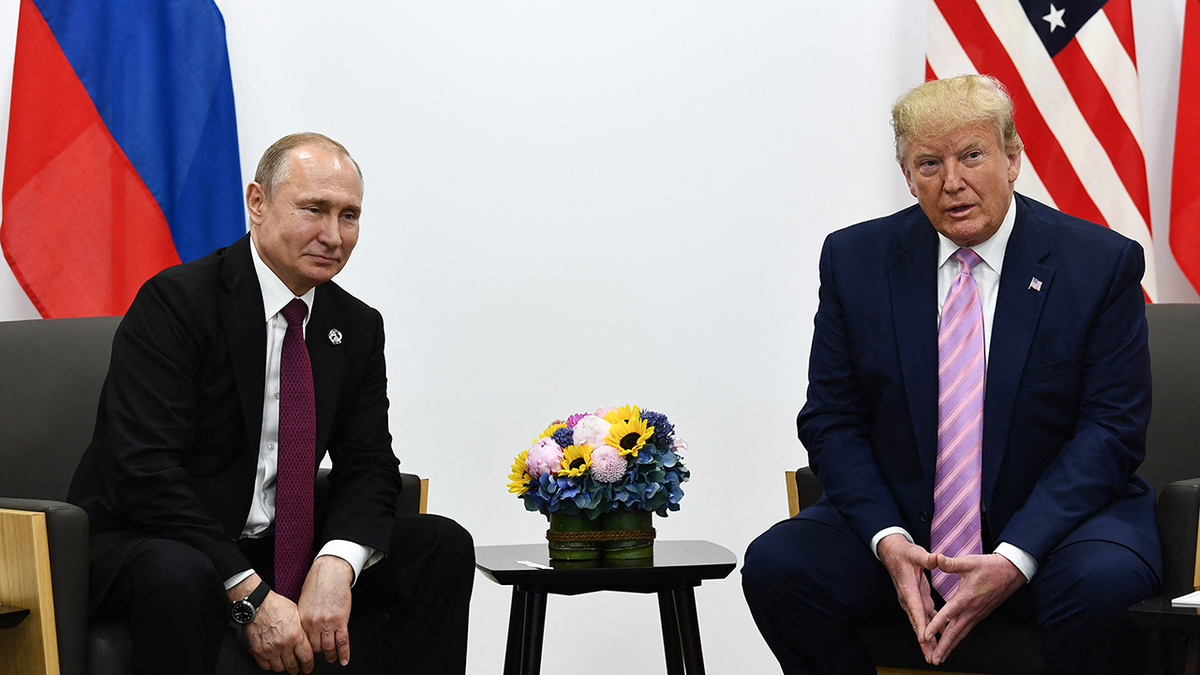
In this Fox News article, President Donald Trump says he believes Russian President Vladimir Putin is ready to reach a deal to end the war in Ukraine, while Moscow simultaneously warns that any Western troops sent to enforce a postwar settlement would be treated as legitimate Russian military targets. The story places Trump’s remarks in the context of continued fighting on the ground and escalating drone warfare, including a viral video showing a Russian soldier apparently losing control of a Soviet-era YakB-12.7 rotary machine gun mounted on an improvised platform while attempting to use it against Ukrainian drones. The article explains that both Russia and Ukraine are increasingly using older weapons and improvised defenses to counter drone threats, illustrating how the war is adapting technologically and tactically.
Beyond Trump’s comments, the article highlights a series of developments: Russia’s Foreign Ministry rejected the idea of a multinational peacekeeping force proposed by Western allies meeting in Paris, saying such forces would be considered legitimate targets; Ukraine said it struck the Balaklava thermal power station in Russian-occupied Crimea; and Russia carried out another major drone-and-missile attack on Ukraine’s Odesa region, killing three people and hitting civilian, industrial, and port infrastructure. The article also notes Zelenskyy’s statement that Ukraine expects to develop domestic technical capability to manufacture missiles for U.S.-made Patriot air-defense systems by the end of 2026. Overall, the piece combines diplomacy, battlefield updates, and a striking video clip to show that the war remains active and that a peace deal, while perhaps discussed by Trump, is not yet near.
Entities: Donald Trump, Vladimir Putin, Ukraine, Russia, Trey Yingst • Tone: analytical • Sentiment: neutral • Intent: inform