13-03-2026
The UAE's Minister of State, Lana Nusseibeh, has called on Iran to cease its strikes on countries in the region, stating that over 1,800 drones and missiles have been launched at the UAE since the war began. Nusseibeh vowed that the UAE would 'bounce back' from the attacks, which have damaged prominent buildings and disrupted trade. While refusing to be drawn on potential military retaliation, she emphasized the UAE's right to collective self-defense under international law. The minister also addressed concerns around the arrest of a British man charged under cyber-crime laws, stating that the government prioritizes credible information from reliable sources. Nusseibeh expressed confidence in the UAE's economic resilience, citing 5.1% growth last year.
Entities: Lana Nusseibeh, Iran, United Arab Emirates, BBC, Fairmont The Palm hotel • Tone: neutral • Sentiment: negative • Intent: inform
13-03-2026
The article draws parallels between the 2003 Iraq War and the current conflict with Iran, highlighting the complexities and motivations behind both conflicts. The 2003 invasion was driven by a mix of motives, including regime change, humanitarian concerns, and the perceived threat of weapons of mass destruction. The war had devastating consequences, including hundreds of thousands of deaths and a profound impact on the Middle East. The current conflict with Iran is also driven by multiple motivations, including degrading Iran's military capabilities and supporting the Iranian people against their government. However, unlike in 2003, there has been no attempt to build public support or seek international legitimacy for the current conflict.
Entities: Saddam Hussein, George W Bush, Iraq, Iran, United States • Tone: analytical • Sentiment: negative • Intent: inform
13-03-2026
The article examines how various countries view the ongoing conflict between the U.S., Israel, and Iran. CBS News reporters and editors gauged the local mood in foreign capital cities, gathering opinions and viewpoints on the war. The conflict has sparked widespread unease globally, with many countries expressing disapproval of the U.S.-Israeli operation. The article highlights the reactions of Russia, Germany, Poland, Ukraine, the United Kingdom, and Ireland to the war, showcasing diverse perspectives and concerns.
Entities: United States, Israel, Iran, Russia, Germany • Tone: neutral • Sentiment: negative • Intent: inform
13-03-2026
A Middle East analyst, Danny Citrinowicz, warns that Iran is unlikely to surrender and may push for nuclear weapons following recent airstrikes. Citrinowicz believes the US and Israel underestimated Iran's capabilities and that regime change is 'very slim' without ground troops. The new supreme leader, Mojtaba Hosseini Khamenei, may be more determined to obtain nuclear weapons as a deterrent. Citrinowicz questions the US and Israel's planning and exit strategy, citing a 'flawed assumption' that the regime would collapse with the death of former Supreme Leader Ayatollah Ali Khamenei. The conflict has drawn in Gulf states, with Iran launching missile and drone strikes, potentially pressuring the US to end the military operation.
Entities: Danny Citrinowicz, Iran, US, Israel, Mojtaba Hosseini Khamenei • Tone: positive • Sentiment: negative • Intent: inform
13-03-2026
The article discusses how Israeli Prime Minister Binyamin Netanyahu is benefiting from the ongoing conflict between Iran and Israel, with Western allies, particularly the United States under Donald Trump, endorsing Israeli narratives about the war. The conflict has significant implications for the Iranian people, the Middle East, and the world. The article highlights the stakes involved and the potential losers, including ordinary Iranians. It also touches on the broader geopolitical implications and the roles of other countries and leaders in the region.
Entities: Binyamin Netanyahu, Iran, Israel, Donald Trump, Middle East • Tone: analytical • Sentiment: neutral • Intent: inform
13-03-2026
The article discusses the challenges posed by Iran's nuclear programme and the lack of effective options for the United States to address the threat. The Iranian regime's pursuit of nuclear weapons is seen as a significant danger, not only to its neighbours but also to Israel's survival. The article argues that the regime's promise not to build a bomb is undermined by its determination to enrich uranium to weapons-grade levels. The author questions what the United States should do in the face of this threat, given that eliminating it is not a viable option. The article highlights the complexities and difficulties in dealing with Iran's nuclear ambitions and the need for a thoughtful and effective response.
Entities: Iran, United States, Israel, Iranian regime, America • Tone: analytical • Sentiment: negative • Intent: inform
13-03-2026
The article analyzes the ongoing conflict between the US and Iran, initiated by the Trump administration, and argues that despite initial military successes, the situation is becoming increasingly complex and difficult to control. The closure of the Strait of Hormuz by Iran has presented a significant challenge to the US Navy, and the conflict is having far-reaching consequences, including rising oil prices and domestic blowback in the US. The article identifies seven reasons why Trump hasn't won the war, including the lack of a clear military solution, the rise of a new Iranian supreme leader, and the difficulty of achieving a political solution.
Entities: Donald Trump, Iran, Strait of Hormuz, US Navy, Lawrence Brennan • Tone: negative • Sentiment: positive • Intent: analyze
13-03-2026
The article provides live updates on the ongoing conflict between Iran, Israel, and the US. Two weeks into the war, the economic fallout is deepening, with oil prices surging and global economies grappling with a fuel crisis. Israel has launched a series of strikes on Iranian targets, including ballistic missile launchers and defense systems. The conflict has also affected Gulf states, with reports of drone incidents in Oman and explosions in Dubai. The US has temporarily lifted sanctions on Russian oil, while some countries plan to dip into emergency stockpiles. Experts warn that related supply shocks to helium, a critical chipmaking material, could hurt semiconductor production and push chip prices higher. Goldman Sachs has revised up its price forecast for Brent crude oil, expecting prices to average over $100 a barrel in March.
Entities: Iran, Israel, US, Donald Trump, Benjamin Netanyahu • Tone: neutral • Sentiment: negative • Intent: inform
13-03-2026
The oil market is experiencing historic disruptions due to escalating attacks on shipping, with crude oil prices surging to $100 a barrel following Iran's new supreme leader, Mojtaba Khamenei, vowing to keep the Strait of Hormuz closed. The situation is further complicated by the ongoing conflict between the US and Iran, with President Donald Trump delivering mixed messages on the war. The article discusses the impact of the conflict on the oil market, as well as the political fallout, including Trump's endorsement of influencer Jake Paul and Senator John Cornyn's shift on the filibuster to gain Trump's support.
Entities: Mojtaba Khamenei, Iran, Strait of Hormuz, Donald Trump, US • Tone: neutral • Sentiment: negative • Intent: inform
13-03-2026
The US and Israel are engaged in a war with Iran, with the conflict escalating on its 14th day. The economic fallout is growing, with oil prices rising above $100 per barrel. Iran's new supreme leader has vowed to keep the Strait of Hormuz closed, and the situation is causing widespread casualties and displacement. The conflict has resulted in the deaths of nearly 2,000 people in Iran and Lebanon, with dozens more killed elsewhere in the region. The US has issued a new license allowing countries to purchase certain Russian oil products, potentially benefiting the Kremlin. The situation on the ground continues to deteriorate, with strikes on Israel, Lebanon, and Iran, and a US Air Force refueling aircraft crashing in western Iraq.
Entities: US, Israel, Iran, Strait of Hormuz, Hezbollah • Tone: neutral • Sentiment: negative • Intent: inform
13-03-2026
Spain has permanently withdrawn its ambassador to Israel in response to the ongoing U.S.-Israeli military strikes against Iran, escalating a diplomatic rift between Spain and Israel. The decision was formalized in Spain's official gazette, with the embassy in Tel Aviv now being led by a chargé d'affaires indefinitely. This move comes after a history of strained relations between the two countries, including Spain recalling its ambassador last September following Israel's criticism of Spain's decision to block weapons shipments to Israel. The U.S. President Donald Trump criticized Spain's actions, stating they were not cooperating with the U.S. and suggesting potential trade repercussions. Senator Lindsey Graham also condemned Spain's decision, viewing it as potentially emboldening Iran.
Entities: Spain, Israel, Iran, United States, Donald Trump • Tone: negative • Sentiment: negative • Intent: inform
13-03-2026
The Israeli military has warned residents of two areas in Tehran to evacuate ahead of a fresh round of strikes on the Iranian capital. This comes after a pro-Iranian group in Iraq warned that French interests in the region would be targeted following the arrival of a French aircraft carrier. The Middle East conflict continues to escalate with multiple incidents reported across the region, including Israeli strikes on Hezbollah members in Beirut, explosions in Dubai, and attacks on French soldiers in Iraq. The situation remains volatile with various countries and groups involved.
Entities: Israel, Tehran, Iran, Iraq, France • Tone: urgent • Sentiment: negative • Intent: inform
13-03-2026
The article discusses President Trump's decision to take military action against Iran, arguing that it is a historic move that needs to be completed. The author praises the success of the US-led campaign, which has targeted Iranian terrorist groups and nuclear sites, and notes that the Iranian regime is weakening. The article highlights the regional impact of the conflict, including the Lebanese government's decision to outlaw Hezbollah, and argues that Trump's resolve is necessary to complete the mission. The author expresses concerns about the potential for future US presidents to lack the resolve to stop Iran's ambitions.
Entities: Donald Trump, Iran, Israel, United States, Ayatollah Khamenei • Tone: analytical • Sentiment: positive • Intent: persuade
13-03-2026
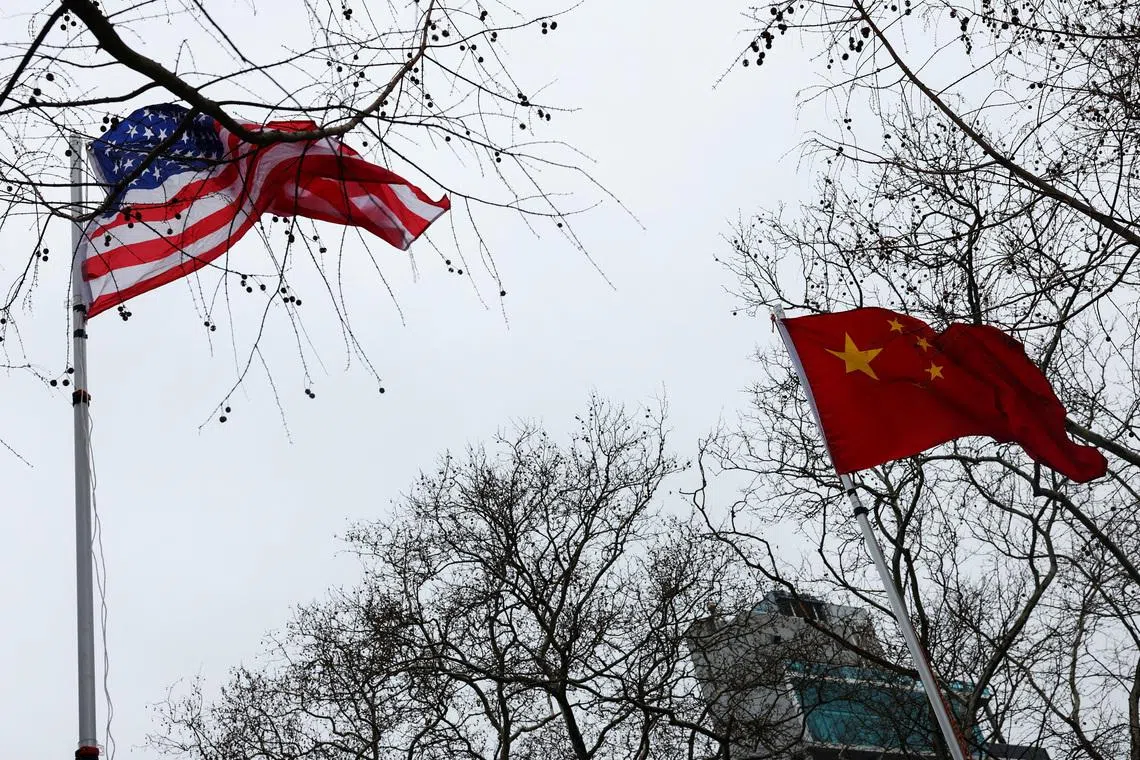
The US is shifting its military focus from Asia to the Middle East due to the ongoing conflict with Iran, causing concern among its allies in the region, particularly those near China. The relocation of US military assets, such as the Terminal High Altitude Area Defence (THAAD) system, has raised worries about the potential vulnerability of Taiwan and other places in the region. While China has not shown any indication of ramping up tensions with Taiwan, the rapid pace of its military build-up and North Korea's development of advanced missiles have increased the stakes in East Asia. US officials have sought to downplay concerns about munitions or a spread of the war, but defence experts warn that depleted stockpiles could take years to replace.
Entities: United States, China, Iran, Taiwan, South Korea • Tone: analytical • Sentiment: neutral • Intent: inform