13-03-2026
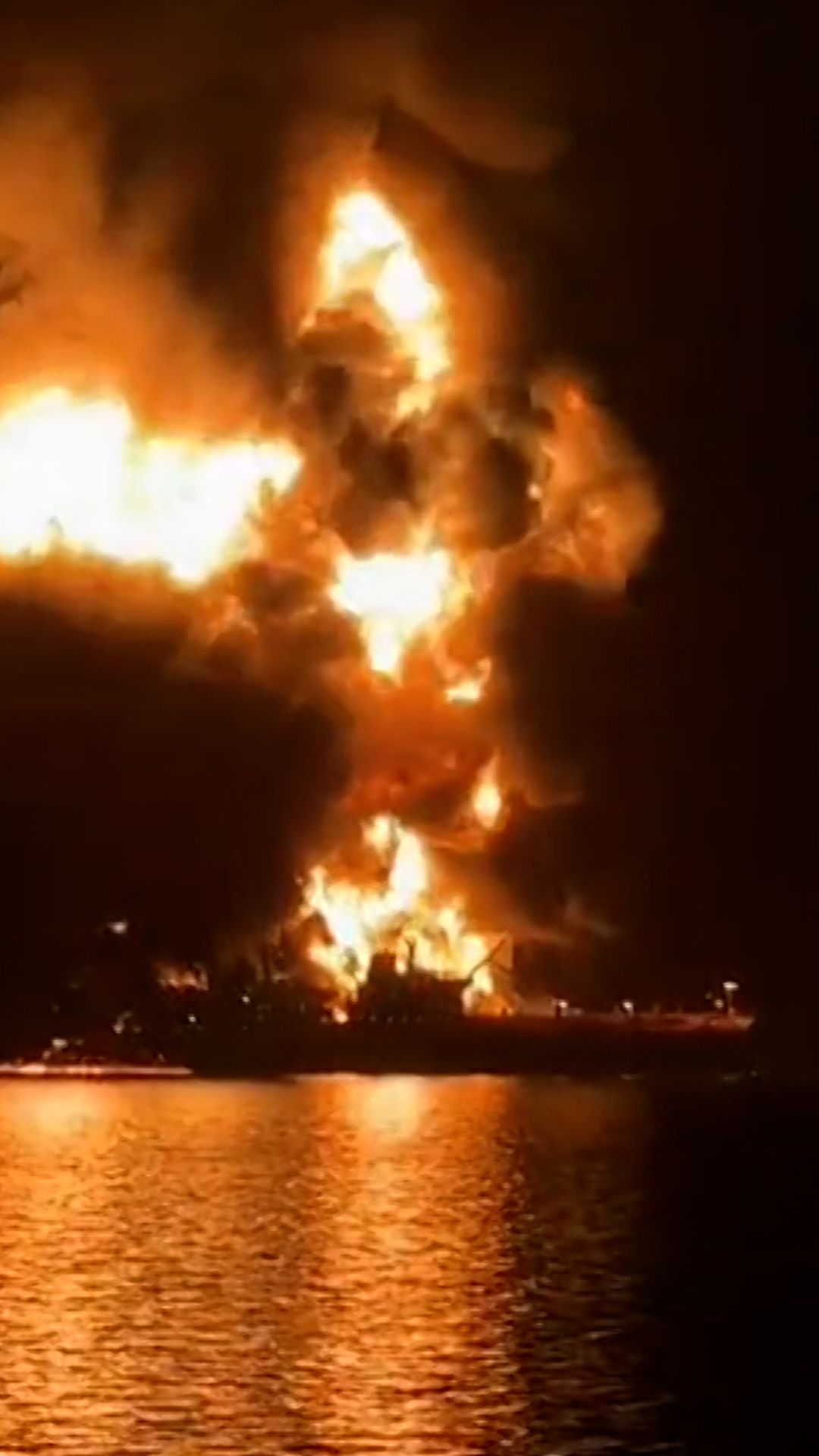
The Strait of Hormuz has become a war zone as Iran threatens to open fire on any vessels trying to cross it in response to US-Israeli attacks. Many sailors are stranded on oil tankers and freight ships, witnessing drone and missile attacks, and living in fear of being hit. The situation is dire, with sailors facing communication breakdowns, navigation issues, and dwindling supplies. Families of seafarers are worried and unable to contact their loved ones due to blocked internet and phone networks in Iran. The war has left around 20,000 sailors stranded, with some ships damaged and at least one sailor killed. The situation is expected to have long-term effects on the seafaring industry.
Entities: Strait of Hormuz, Iran, US, Israel, Gulf region • Tone: urgent • Sentiment: negative • Intent: inform
13-03-2026
The article discusses how the recent surge in gas prices due to the Iran war may boost electric vehicle (EV) sales. Experts say that prolonged high gas prices could drive some EV interest and sales, especially if drivers assume their electricity prices won't be affected by the crises. However, many factors influence consumer EV purchases, including electricity rates and government policies. While EV owners are largely unaffected by oil price shocks, electricity prices have been increasing nationally due to various reasons. The article also highlights the national security concerns about EVs due to China's dominance in the EV supply chain. Some experts believe that the war could lead to a shift in tax and tariff policies around EVs, which could help reduce fossil fuel dependence.
Entities: Kevin Ketels, Iran, Detroit, Wayne State University, AAA • Tone: neutral • Sentiment: positive • Intent: inform
13-03-2026
The article discusses how Iran has turned the Strait of Hormuz into a battleground by attacking energy supplies and striking foreign oil tankers in Iraqi waters. The conflict has escalated tensions in the region, with Israel targeting Iran-backed Hezbollah in Lebanon, resulting in hundreds of deaths and displacements. The article also touches on Iran's state media portrayal of the war, the use of cheap Shahed drones, and the impact of the conflict on the region.
Entities: Iran, Strait of Hormuz, Israel, Hezbollah, Lebanon • Tone: neutral • Sentiment: negative • Intent: inform
13-03-2026
The article discusses how Iran's state media is portraying the ongoing conflict between Iran and Israel. Iranians have been cut off from the internet for nearly two weeks, making it difficult for them to access outside news and sift facts from propaganda. The article highlights various aspects of the conflict, including Iran's military actions, Israel's responses, and the humanitarian impact. It also touches on other unrelated news stories.
Entities: Iran, Israel, Hezbollah, Lebanon, Strait of Hormuz • Tone: neutral • Sentiment: negative • Intent: inform
13-03-2026
The Pentagon and National Security Council underestimated Iran's willingness to close the Strait of Hormuz in response to US military strikes. The Trump administration's national security team failed to fully account for the potential consequences of the operation, and now it may be weeks before efforts to alleviate the economic fallout take hold. The administration's planning was criticized for sidelining interagency debate and relying on a tight circle of close advisers. The US is now facing a complex situation with Iran closing the strait, and the administration is working to escort oil tankers through the strait.
Entities: Pentagon, National Security Council, Iran, Strait of Hormuz, Donald Trump • Tone: negative • Sentiment: negative • Intent: inform
13-03-2026
A teenager describes losing their family in an Israeli strike on Lebanon as part of the ongoing conflict between Israel and the Iranian-backed militant group Hezbollah. The strikes are in response to rocket attacks by Hezbollah on Israel. The conflict has resulted in hundreds killed and hundreds of thousands displaced in Lebanon. The article also touches on related issues such as Iran's involvement and the impact of the conflict on civilians and the region.
Entities: Israel, Lebanon, Hezbollah, Iran, Beqaa Valley • Tone: neutral • Sentiment: negative • Intent: inform
13-03-2026
The article discusses the surge in demand for private charter flights out of the Middle East due to the escalating US-Israeli conflict with Iran. The wealthy are fleeing the region, paying high prices for private jets. The conflict has led to renewed fighting between Israel and Iran-backed Hezbollah in Lebanon, resulting in hundreds of deaths and displacements. The article also touches on related topics such as Iran's military tactics, including the use of cheap Shahed drones, and the impact of the conflict on the region.
Entities: Middle East, US, Israel, Iran, Hezbollah • Tone: neutral • Sentiment: negative • Intent: inform
13-03-2026
The US has struck three Iranian aircraft at an airfield in southeastern Iran, according to a video released by US Central Command and geolocated by CNN. The strike is part of the ongoing conflict between the US and Iran, with Israel also involved in targeting Iran-backed Hezbollah in Lebanon. The situation has resulted in hundreds of deaths and hundreds of thousands displaced in Lebanon. Iran has been aggressive in the region, attacking energy supplies and striking foreign oil tankers in Iraqi waters. The country's state media is portraying the war in a way that makes it difficult for Iranians to distinguish facts from propaganda, as they have been cut off from the internet for nearly two weeks.
Entities: US, Iran, Israel, Hezbollah, Lebanon • Tone: neutral • Sentiment: negative • Intent: inform
13-03-2026
The article discusses the impact of Iran's Shahed drones in the ongoing conflict between the US, Israel, and Iran. The drones are cheap to produce but costly to intercept, making them a disruptive force on the battlefield. The article highlights various aspects of the conflict, including Israel's response to Hezbollah rocket attacks, Iran's aggression in the Strait of Hormuz, and the role of state media in shaping public perception. It also touches on unrelated news stories, such as the World Baseball Classic and a Michelin-starred chef's resignation amidst abuse allegations.
Entities: Iran, Shahed drones, US, Israel, Hezbollah • Tone: neutral • Sentiment: negative • Intent: inform
13-03-2026
The UK is considering options to defend shipping in the Strait of Hormuz from Iranian attacks, with Defence Secretary John Healey discussing the crisis with his European counterparts. The UK is looking at various measures, including deploying autonomous vessels to counter mines and utilizing its Type 45 destroyer, HMS Dragon, which is currently in the region. Healey emphasized the need for coordination with allies to protect commercial tankers and potentially evacuate UK nationals if the conflict between the US, Israel, and Iran escalates. The UK's ability to respond is limited due to previous defence cuts, which have reduced its naval presence in the region.
Entities: John Healey, Strait of Hormuz, Iran, UK, E5 group • Tone: neutral • Sentiment: negative • Intent: inform
13-03-2026
The US Navy plans to escort oil tankers through the Strait of Hormuz amid rising tensions with Iran, according to US Treasury Secretary Scott Bessent in an interview with Sky News. Iran's new supreme leader, Mojtaba Khamenei, has threatened to close the strategic waterway, which carries 20% of the world's oil supplies. The US has been considering escorting vessels through the strait, with Bessent stating that it will happen 'as soon as it is militarily possible.' The conflict has pushed oil prices above $100 a barrel, despite the release of 400 million barrels of oil from strategic reserves. Bessent also discussed the economic impact of the war, the 'special relationship' between the US and the UK, and the potential testimony of British figures to Congress.
Entities: US Navy, Strait of Hormuz, Iran, Scott Bessent, Mojtaba Khamenei • Tone: neutral • Sentiment: negative • Intent: inform
13-03-2026
The article discusses how the conflict between the US and Iran is affecting the global energy market, with Iran's attacks on oil facilities in the Persian Gulf causing disruptions to oil and gas production. The author argues that this situation presents an opportunity for the US to assert its energy dominance and promote Middle East prosperity. The US can leverage its energy production and exports to counter Iranian aggression and stabilize the global energy market. The article also mentions the India-Middle East-Europe Corridor project, which could provide an alternative shipping route that bypasses the Strait of Hormuz.
Entities: Iran, United States, Donald Trump, Strait of Hormuz, Persian Gulf • Tone: analytical • Sentiment: neutral • Intent: inform