12-05-2026
The article examines how Keir Starmer’s post-local-election push to “reset” the UK’s relationship with the EU is being received in Brussels. The reaction is broadly skeptical, especially on economic issues. While EU officials and observers see the UK as a dependable partner on defence, Ukraine, Iran, and Nato-related security matters, they think Starmer’s economic agenda lacks boldness and concrete proposals. The article argues that most of Labour’s current talks with the EU—such as a sanitary and phytosanitary (SPS) deal, emissions trading alignment, a youth mobility-style scheme, and possible electricity market cooperation—would only deliver limited economic gains. More transformative options, like a customs union or single market access, would require the UK to accept free movement and stronger alignment with EU rules, which would clash with Labour’s red lines and domestic political constraints around immigration. Brussels is portrayed as pragmatic but wary, especially given the rise of Reform UK and Nigel Farage’s influence, and may seek stronger safeguards in any future deals. Overall, the piece suggests that Starmer’s language is ambitious, but the substance remains thin and Brussels is not convinced the UK is prepared to make the necessary trade-offs for a meaningful economic rapprochement.
Entities: Keir Starmer, Sir Keir Starmer, European Union, EU, Brussels • Tone: analytical • Sentiment: neutral • Intent: analyze
12-05-2026
British Prime Minister Keir Starmer is facing the most serious challenge of his premiership after poor Labour results in local and devolved elections triggered a wave of criticism from within his own party. In a speech in London, Starmer acknowledged responsibility for the losses but insisted he would stay in office, warning that a leadership change would recreate the instability Britain experienced under the Conservatives. Despite that defense, more than 70 Labour MPs have publicly called for him to resign or announce a timetable for departure, and some ministerial aides have quit in protest. Under Labour rules, a formal leadership challenge would require 81 signatures from MPs, but it remains unclear whether any rival can secure enough support. The article notes that Labour has little history of openly removing sitting prime ministers, yet this situation could be messier because several potential successors are either untested or damaged by scandal. Starmer tried to respond by promising a more ambitious agenda, including closer ties with Europe and a stronger push for change, but many Labour lawmakers viewed his remarks as vague and insufficient. The pressure has now reached cabinet level, with reports that Home Secretary Shabana Mahmood and others are urging him to set out a timetable for leaving office. A cabinet meeting is expected early Tuesday, underscoring how quickly Starmer’s leadership crisis has escalated.
Entities: Keir Starmer, Labour Party, Britain, United Kingdom, England • Tone: analytical • Sentiment: negative • Intent: inform
12-05-2026
U.K. Prime Minister Keir Starmer is facing a serious internal revolt within the Labour Party after poor local election results, mounting economic concerns, and growing dissatisfaction among MPs and party officials. More than 70 Labour MPs have reportedly urged him to resign, while several parliamentary aides have stepped down, intensifying pressure on his leadership. The backlash follows Labour’s losses in local elections across England, Wales, and Scotland, which have damaged Starmer’s authority and raised questions about whether he can restore confidence in the party.
The article says Starmer is also being hurt by broader political and economic headwinds, including rising U.K. borrowing costs and criticism of government policy on living costs and public services. His appointment of Peter Mandelson as Britain’s ambassador to Washington, due to Mandelson’s ties to Jeffrey Epstein, has further fueled controversy. In Scotland, Labour’s weakness was underscored by John Swinney’s decisive victory, which drew a pointed response from Donald Trump, who used the moment to criticize Starmer and compare him unfavorably to Winston Churchill.
Despite the growing rebellion, Starmer struck a defiant tone in a “reset” speech, insisting he would not resign and arguing that stepping aside would create chaos. Meanwhile, Labour figures such as Sam Carlin and former minister Catherine West are pushing for a leadership change, with possible successors including Andy Burnham, Angela Rayner, and Wes Streeting. Under Labour rules, a formal leadership challenge could emerge if enough support forms behind an alternative candidate, potentially leading to a contest among party members.
Entities: Keir Starmer, Labour Party, Labour MPs, U.K. Parliament, John Swinney • Tone: analytical • Sentiment: negative • Intent: inform
12-05-2026
Calls for UK Prime Minister Keir Starmer to resign intensified after Labour suffered heavy losses in local and regional elections, triggering a broader debate within the party about his leadership and the government’s direction. More than 70 Labour MPs were reportedly urging him to stand aside, while several aides and ministers were said to have resigned or called for an orderly transition. Under Labour rules, a challenger would need 81 MPs to force a leadership contest.
Starmer, who won a landslide in July 2024 and ended 14 years of Conservative rule, faces growing criticism over policy missteps, weak economic performance, and a scandal involving the appointment and dismissal of Peter Mandelson as ambassador to Washington. The election results were especially damaging: Reform UK and the Greens made strong gains, Labour lost control of the Welsh parliament to Plaid Cymru, and the party failed to improve its position in Scotland.
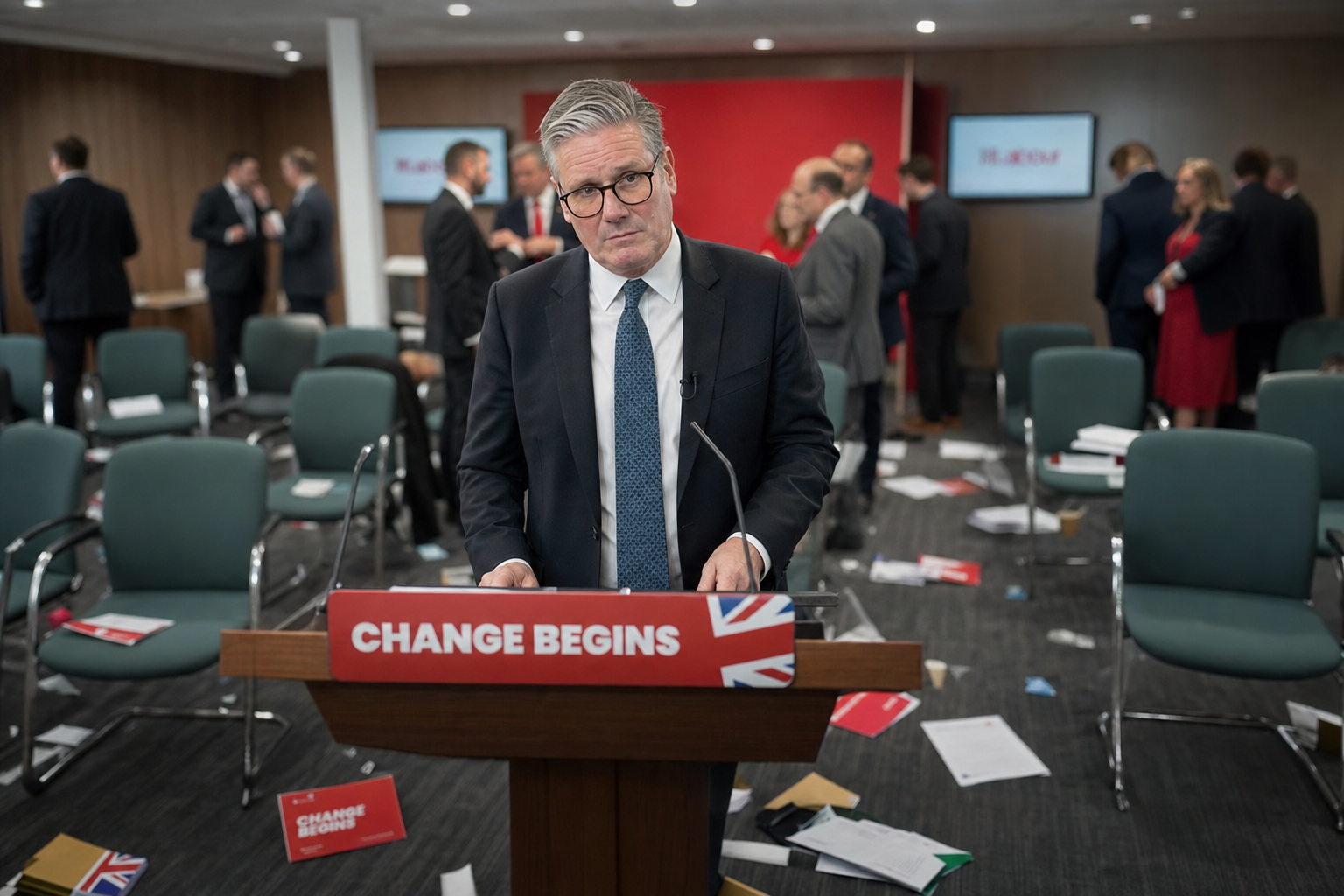
In response, Starmer delivered a forceful speech promising to prove doubters wrong and pursue a more ambitious agenda. He said Labour needed “a bigger response” than incremental change, signaling potential shifts on economic growth, ties with Europe, energy policy, and British Steel nationalization. He also made a sharp criticism of Brexit, saying it had left the UK poorer, weaker, and less secure.
Despite these vows, pressure continues to build, with MPs debating whether the party needs new leadership and a timetable for succession. Potential challengers such as Health Secretary Wes Streeting and former deputy prime minister Angela Rayner are being discussed, though neither is seen as having universal support within Labour.
Entities: Keir Starmer, Labour Party, British politics, United Kingdom, local and regional elections • Tone: analytical • Sentiment: negative • Intent: inform