03-06-2026
The article reports a sharp escalation in US-Iran tensions as both sides carry out new strikes while ceasefire negotiations remain stalled. According to US Central Command, the US launched “self-defence” strikes on Qeshm Island in Iran and shot down drones and ballistic missiles that it says were fired by Iran toward ships and nearby Gulf countries, including Kuwait and Bahrain. Iran, meanwhile, said it retaliated by attacking US bases and helicopters in a “regional country” with missiles and drones. The fighting comes amid failed weekend talks over a possible deal to end the months-long war, with no breakthrough on issues tied to the Strait of Hormuz, Iran’s nuclear programme, and sanctions relief.
The report also highlights the US naval blockade of the Strait of Hormuz, which Centcom says has disabled or redirected multiple commercial vessels, including the Botswana-flagged tanker M/T Lexie. The US says the vessel ignored repeated warnings and was hit by a Hellfire missile after heading toward Iran’s Kharg Island. Centcom claims six commercial vessels have been disabled and 122 redirected since the blockade began. The article notes that Donald Trump has publicly suggested Iran wants a deal, while US media reported he sought changes to peace terms involving the Strait of Hormuz and removal of highly enriched uranium from Iran. Iran’s foreign ministry rejects claims that such proposals were on the table. The piece closes with US Secretary of State Marco Rubio telling Congress that any sanctions relief would be conditional and tied to Iran’s nuclear programme, even as lawmakers press the administration on its strategy and the conflict’s endgame.
Entities: United States, Iran, US Central Command (Centcom), Strait of Hormuz, Qeshm Island • Tone: urgent • Sentiment: negative • Intent: inform
03-06-2026
U.S. and Iranian forces exchanged fresh strikes despite an April 7 ceasefire, underscoring how fragile the pause in hostilities remains. According to U.S. Central Command, American forces shot down three Iranian drones targeting civilian mariners and intercepted Iranian ballistic missiles aimed at U.S. allies in the Persian Gulf. In response, CENTCOM carried out “self-defense strikes” against a ground control station on Iran’s Qeshm Island. Iran’s Islamic Revolutionary Guard Corps said its own actions were retaliation for an earlier U.S. strike that disabled an oil tanker heading toward Iran, and it claimed to have targeted the U.S. Navy’s Fifth Fleet headquarters in Bahrain and an American-linked vessel. CENTCOM denied that the Fifth Fleet was hit.
The article places these clashes in the broader context of an ongoing, uneasy ceasefire between the U.S. and Iran that followed a three-month war. Even after the ceasefire, confrontation has continued through drone, missile, and maritime incidents, and Iran’s restrictions on passage through the Strait of Hormuz have disrupted global shipping while the U.S. has enforced a blockade on Iranian ports. At the same time, U.S. and Iranian negotiators have been holding indirect talks on extending the ceasefire, reopening the Strait of Hormuz, lifting the blockade, and addressing Iran’s nuclear program. Those discussions have not yet produced a deal, though Trump administration officials have expressed optimism. Trump also publicly rejected claims that the two countries were no longer communicating, saying talks had continued up through the day of his post.
Entities: United States, Iran, U.S. Central Command (CENTCOM), Qeshm Island, Strait of Hormuz • Tone: analytical • Sentiment: negative • Intent: inform
03-06-2026
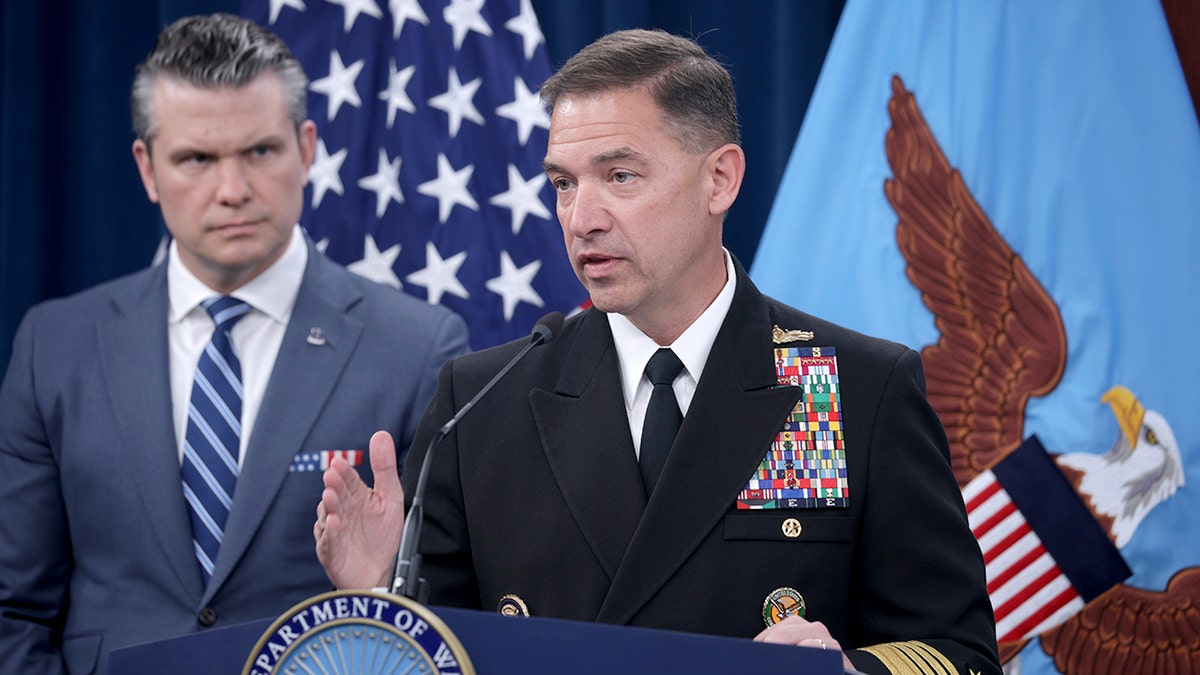
The article reports that U.S. Central Command (CENTCOM) carried out what it described as “self-defense strikes” against Iranian radar, drone, and command-and-control sites over the weekend in response to what it said were aggressive Iranian actions, including the downing of a U.S. MQ-1 drone over international waters. CENTCOM said U.S. fighter aircraft destroyed Iranian air defenses, a ground control station, and two one-way attack drones that posed threats to ships in regional waters, and it emphasized that no American service members were harmed.
The story also describes escalating military tensions in the region, citing AP reporting that Kuwait’s air defenses intercepted drone and missile attacks and that Iranian forces claimed to respond to an American attack. CENTCOM later said U.S. forces intercepted two Iranian ballistic missiles aimed at American forces in Kuwait, again noting no injuries. The article frames these exchanges within ongoing conflict and a ceasefire, with the U.S. continuing blockade measures in the Gulf of Oman and monitoring Iranian activity.
In addition to the military developments, the article includes comments from President Donald Trump, who said Iran “really wants to make a deal” and argued that criticism from political opponents makes negotiations harder. Trump urged people to “sit back and relax,” suggesting the situation will “work out well in the end.” The article presents the strikes and missile interceptions as part of a broader pressure campaign against Iran while the U.S. pursues negotiations and seeks to protect American assets and regional interests.
Entities: CENTCOM, U.S. Central Command, Iran, Donald Trump, Pete Hegseth • Tone: analytical • Sentiment: neutral • Intent: inform
03-06-2026
The article is a live blog tracking escalating military tensions across the Middle East, centered on Iranian missile and drone attacks and the regional fallout. The main update reports that Kuwait said an Iranian drone and missile strike hit Kuwait International Airport, causing injuries, material damage, and flight suspensions and diversions. Kuwait’s civil aviation authority said the attack struck the airport’s Terminal 1 building and disrupted operations. The live coverage also reports that Bahrain intercepted Iranian drones and missiles, while the US military said it had intercepted Iranian missile and drone attacks aimed at regional neighbors and carried out self-defense strikes on Iran’s Qeshm Island.
The article places these incidents in the broader context of a nearly four-week regional war and heightened US-Iran tensions, including reciprocal attacks and threats around the Strait of Hormuz. It includes comments from Iran’s Revolutionary Guards claiming strikes on the US Fifth Fleet headquarters and regional bases, as well as reports of attacks on vessels and communications infrastructure. Separately, the live blog notes that US President Donald Trump said negotiations with Iran were still continuing, despite Iranian reports suggesting otherwise.
Beyond the military developments, the article briefly highlights economic consequences of the conflict. The European Bank for Reconstruction and Development downgraded growth forecasts, citing an energy price shock that has hit Europe harder than the United States. Oil prices rose on the back of the tensions, even as global stock markets, especially in Asia, continued rallying on artificial-intelligence-related momentum. Overall, the piece is a fast-moving live update about the military, diplomatic, and economic ripple effects of the Middle East war.
Entities: Iran, Kuwait, Bahrain, United States, US military • Tone: urgent • Sentiment: negative • Intent: inform
03-06-2026
The article reports that the U.S. military carried out “self-defense strikes” against Iranian military targets on Qeshm Island while simultaneously intercepting Iranian missiles and drones aimed at Kuwait, Bahrain, and nearby waters. According to U.S. Central Command (CENTCOM), American forces destroyed or shot down multiple threats, including missiles and one-way attack drones, in response to what it described as ongoing Iranian aggression during a ceasefire. The targeted site on Qeshm Island was described as a military ground control station and part of Iran’s heavily fortified missile infrastructure near the Strait of Hormuz, a strategically vital waterway. The article says Iran launched at least five missiles toward neighboring Gulf countries, but the weapons either fell short, broke apart in the air, or were intercepted by U.S. and Bahraini defenses. It also notes that Iranian state media claimed some missiles hit “enemy bases” in Kuwait, while the Islamic Revolutionary Guard Corps (IRGC) framed its actions as retaliation for U.S. strikes on Qeshm Island. The piece places the exchange in the context of escalating tit-for-tat attacks, including earlier U.S. strikes in Bandar Abbas and a prior Iranian drone attack on a U.S. base in Kuwait. Overall, the story portrays a rapidly intensifying regional confrontation between the U.S. and Iran, with Gulf states and civilian mariners also exposed to spillover risk.
Entities: US military, US Central Command (CENTCOM), Iran, Islamic Revolutionary Guard Corps (IRGC), Qeshm Island • Tone: urgent • Sentiment: negative • Intent: inform
03-06-2026
The article reports a fresh escalation in the Iran-related conflict as Iranian missiles and drones targeted Bahrain, Kuwait and other regional sites, while the US military said it intercepted or thwarted most attacks. The latest flare-up underscores how, more than three months after initial US and Israeli strikes on Iran, the war remains stuck in a fragile stalemate despite claims of a tentative ceasefire and continuing backchannel diplomacy. The conflict has widened beyond Iran, pulling in US bases in the Gulf, maritime traffic near the Strait of Hormuz, Lebanon, and Israeli operations against Hezbollah.
The piece says that US Central Command reported Iranian missiles either breaking apart, falling short, or being intercepted, and that US forces also downed drones and struck Qeshm Island after attempted attacks. Iranian state media, by contrast, said the Revolutionary Guards hit the US Fifth Fleet headquarters in Bahrain and other military targets in retaliation for a US strike on a communications tower near Qeshm. While Iranian and US officials continue to publicly posture, the diplomatic track remains unresolved: both sides reportedly reached a tentative agreement last week, but it has not been signed off on, and the US insists any sanctions relief depends on Iran abandoning nuclear activity. Trump says negotiations are ongoing, while Iran says it seeks relief from sanctions and continued influence over the Strait of Hormuz.
The article also situates the conflict within a wider regional crisis. Israel continues strikes in southern Lebanon despite a partial ceasefire, deepening displacement and anxiety among civilians. The war has killed thousands, driven up energy prices, disrupted maritime commerce, and affected humanitarian supply chains worldwide, with UNICEF warning that transport and supply disruptions are hampering aid delivery across several countries.
Entities: Iran, United States, Israel, Lebanon, Bahrain • Tone: analytical • Sentiment: negative • Intent: inform
03-06-2026
The article centers on Setareh, an Iranian-born woman now living in the United States, who describes the fear she felt for her family and fellow civilians in Iran after then-President Donald Trump posted a warning in April that “a whole civilization will die tonight” amid escalating tensions with Tehran. Her comments, given to CBS News as the Iran conflict continued and a ceasefire was repeatedly tested, highlight the psychological impact of the threat on people with loved ones in the country. Setareh says her family in Iran was terrified and uncertain about what might happen, and that she herself experienced a paralyzing sense of terror upon imagining the potential destruction of innocent lives, culture, and communities. The piece places her reaction in the broader context of the U.S.-Iran standoff, including ceasefire negotiations and subsequent U.S. military strikes described as self-defense actions after Iran allegedly shot down a U.S. drone. Overall, the article focuses on the human fear generated by rhetoric and military escalation, especially among immigrants whose families remain in harm’s way.
Entities: Setareh, Donald Trump, Iran, United States, Tehran • Tone: emotional • Sentiment: negative • Intent: inform
03-06-2026
The article reports that Iran has suspended negotiations with the United States in protest over Israel’s actions in Lebanon, which Tehran says violated the ceasefire. The suspension was reported by semi-official Iranian state media and highlights ongoing tension in regional diplomacy as the broader conflict continues to affect negotiations. President Donald Trump disputed Iran’s claim, saying that talks between the U.S. and Iran are still continuing at a "rapid pace." The piece is presented in a CNN video format, with analyst Nic Robertson providing context on the current status of the negotiations. Overall, the story centers on a diplomatic standoff shaped by the wider Israel-Lebanon conflict and competing public statements from Iran and the Trump administration about whether negotiations are still active. The article does not provide a detailed account of the talks themselves, but emphasizes the uncertainty and conflicting narratives surrounding them.
Entities: Iran, United States, Israel, Lebanon, Donald Trump • Tone: analytical • Sentiment: neutral • Intent: inform