03-06-2026
A British couple, Lindsay and Craig Foreman, have lost their appeal against a 10-year jail sentence in Iran, according to their family. The pair were arrested in January 2025 while traveling through Iran on a round-the-world motorcycle trip and were later convicted of espionage, which they strongly deny. Their family says they were not allowed to attend their own appeal hearing and received no explanation for why the appeal was rejected. The couple are currently on hunger strike in Tehran’s Evin prison, with family members reporting that Craig has gone without food for 25 days and Lindsay for 16 days after briefly resuming eating. The family says the couple have also been cut off from calls with relatives in the UK, with updates coming only indirectly through other prisoners’ families.
The article highlights the family’s deep concern and frustration, as well as criticism from their legal team and the UK Foreign Office. Their barrister described them as innocent tourists whose rights have been violated, while the Foreign Office called their detention unjustified and appalling and said it would continue working for their safe return. The case has now reportedly moved to Iran’s Supreme Court, though the family says the legal process is unclear. The piece also places the Foremans’ situation in a broader diplomatic context, with a comparison to the case of Nazanin Zaghari-Ratcliffe, whose eventual release was linked to a UK-Iran debt settlement. Overall, the article underscores the human rights concerns, uncertainty, and diplomatic pressure surrounding the couple’s detention.
Entities: Lindsay Foreman, Craig Foreman, Joe Bennett, Evin prison, Tehran • Tone: urgent • Sentiment: negative • Intent: inform
03-06-2026
Israel continued striking southern Lebanon on Tuesday even as a partial ceasefire appeared to take hold between Israel and Hezbollah. The reported agreement, announced by US President Donald Trump, would bar Israeli attacks on Beirut in exchange for Hezbollah refraining from attacks on Israel, though both sides quickly accused the other of violations. On the ground, the truce remained fragile: Israeli strikes hit areas near Jabal Amel hospital in Tyre, killing four people and injuring 127, including dozens of hospital staff, while buildings and medical facilities suffered severe damage. Additional strikes and evacuation orders were reported in Nabatieh and other parts of southern Lebanon, alongside claims and counterclaims of cross-border attacks.
The article describes the human and physical toll in Tyre, where hospital wards were damaged, incubators cracked, and displaced people and newborns were caught in the aftermath. Lebanese officials condemned the attacks and said Israeli strikes had killed many medical workers over the course of the conflict, while Israel said it was targeting Hezbollah infrastructure and blamed Hezbollah for embedding itself in civilian areas. The broader war has killed thousands in Lebanon and displaced more than a million people, according to Lebanese and UN figures.
Diplomatically, the piece details hurried negotiations involving Trump, Netanyahu, the Lebanese presidency, Hezbollah intermediaries, and US officials. Lebanon said Hezbollah had accepted a US-backed partial ceasefire proposal, but Hezbollah figures insisted there was no full ceasefire and that any deal must be comprehensive and tied to Israeli withdrawal. Overall, the article portrays a tense, uncertain pause in fighting rather than a stable peace, with continued military action and conflicting interpretations of the agreement.
Entities: Israel, Lebanon, Hezbollah, Tyre, Jabal Amel hospital • Tone: urgent • Sentiment: negative • Intent: inform
03-06-2026
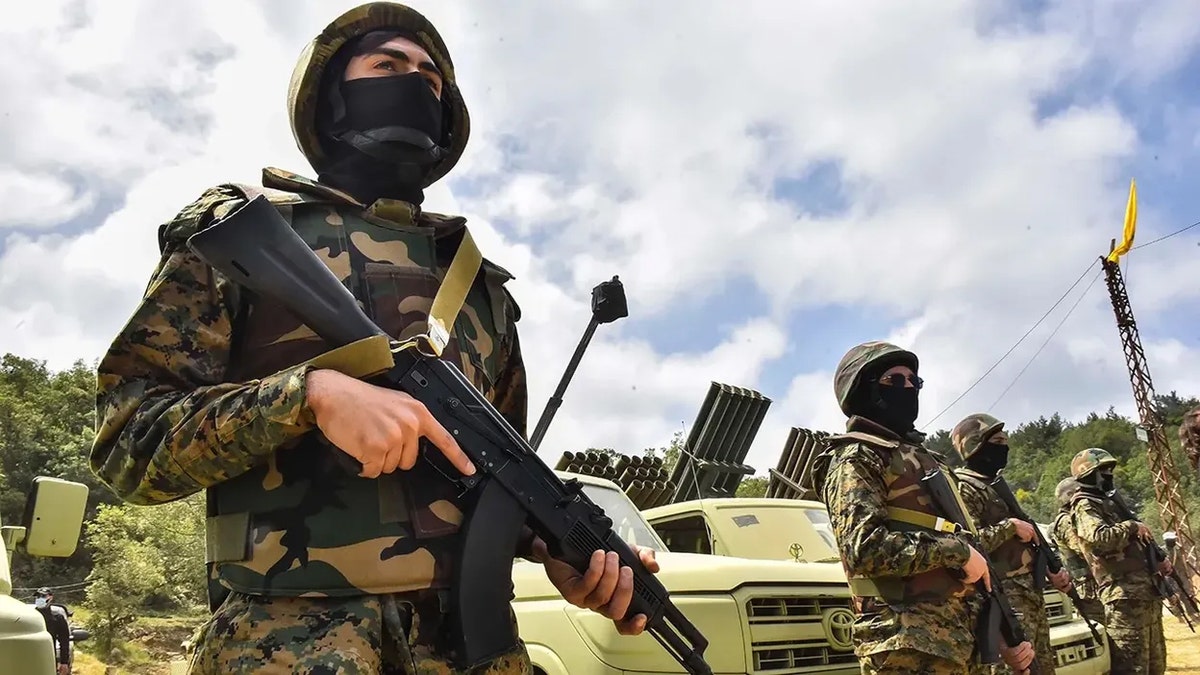
The article reports that Hezbollah has escalated its attacks on northern Israel by using nighttime drones, which a defense expert describes as a significant and potentially “game changing” development. According to Cameron Chell, CEO of Draganfly, the drones are small Category 1 and Category 2 systems equipped with thermal sensors that allow Hezbollah to detect Israeli soldiers at night by reading heat signatures. This nighttime capability, he argues, gives Hezbollah a major advantage in reconnaissance and strike operations and complicates Israeli military movement and defense. The article says the attacks have contributed to casualties, damaged security in border communities, and created confusion and chaos in northern Israel, prompting Prime Minister Benjamin Netanyahu to hold an emergency security meeting after a surprise Hezbollah strike.
The piece also describes how Israeli forces are improvising countermeasures, including the use of fishing nets and soccer nets to entangle drones. Chell says the Israel Defense Forces will need to change tactics at night, relying more on electronic jamming, netting, and other defensive measures to counter drone attacks. The article places these attacks in the broader context of Hezbollah’s expanding drone warfare and its claims that drones are an effective weapon against Israeli troops in southern Lebanon. Chell further warns that Hezbollah must have access to a supply chain for the equipment, suggesting outside support or procurement channels through Iran, China, Russia, Afghanistan, or the black market. Overall, the article frames Hezbollah’s drone campaign as a growing asymmetrical threat that is forcing Israel to adapt under pressure.
Entities: Hezbollah, Israel, Benjamin Netanyahu, Cameron Chell, Draganfly • Tone: urgent • Sentiment: negative • Intent: inform