02-07-2026
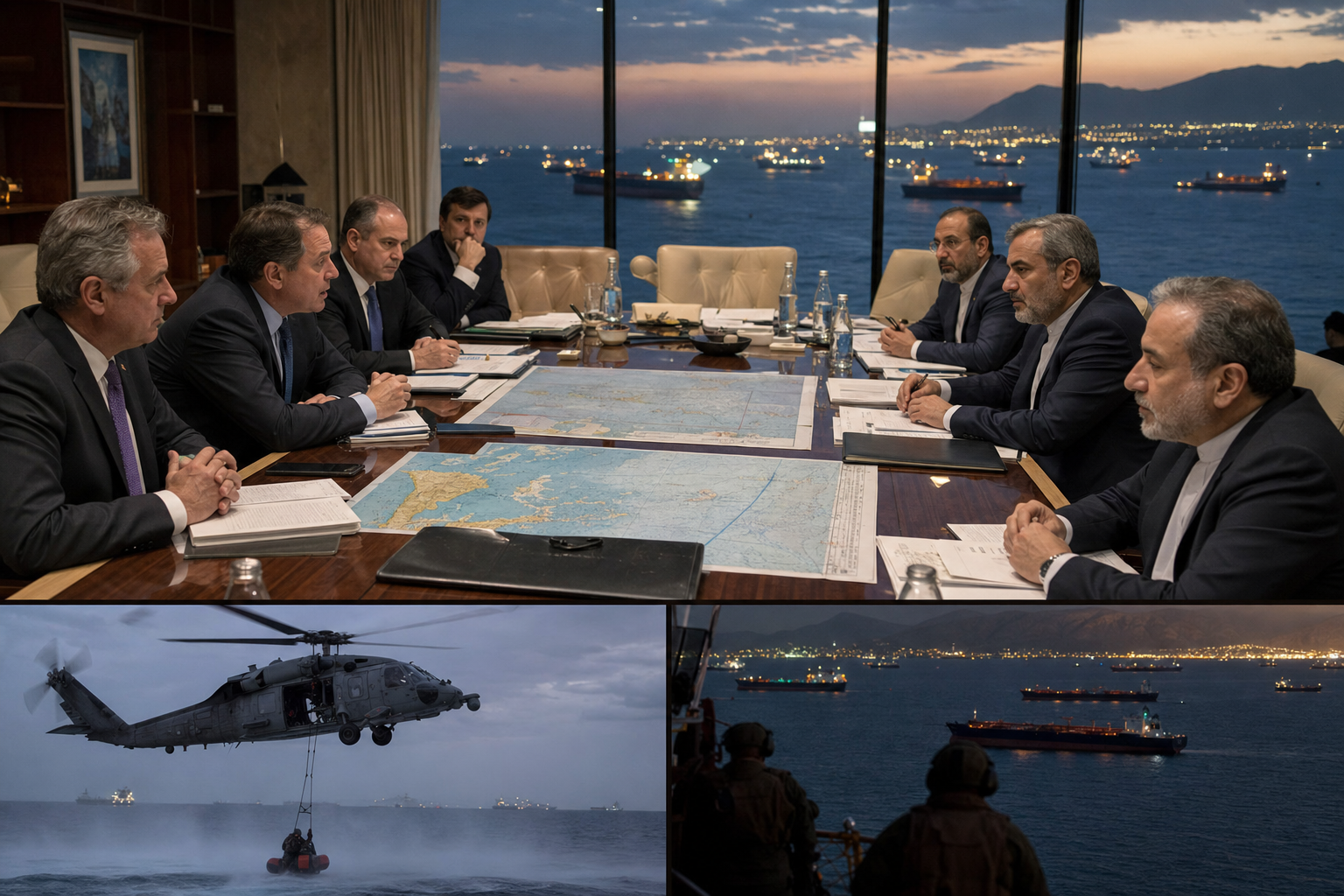
Three crew members were rescued after a U.S. Navy MH-60S Sea Hawk helicopter made an emergency water landing in the Arabian Sea early Wednesday, while a search continued for the fourth crew member who remained missing. U.S. Naval Forces Central Command said there was no indication the aircraft was shot down by hostile action. The helicopter was assigned to the USS George H.W. Bush, which has been operating in the Middle East since late April and remains one of two U.S. aircraft carriers in the region. The crew was recovered in stable condition aboard the carrier, and Navy assets in the area were actively searching for the missing aircrewman.
The article also places the incident in a wider regional and military context, noting the U.S. naval presence in the Middle East and past losses of U.S. aircraft in the area, including a June incident in which an Apache helicopter was shot down by an Iranian drone, prompting U.S. self-defense strikes against Iran. The report is primarily a factual update on the accident and ongoing rescue effort, with limited discussion of broader geopolitical implications.
Entities: MH-60S Sea Hawk, Arabian Sea, U.S. Naval Forces Central Command, USS George H.W. Bush, U.S. Navy • Tone: analytical • Sentiment: neutral • Intent: inform
02-07-2026
The article is a live update on several fast-developing developments centered on U.S.-Iran tensions and related regional security concerns. The main update is that indirect talks between U.S. and Iranian officials in Doha, mediated by Qatar and Pakistan, reportedly made “positive progress,” with both sides agreeing to continue discussions. Qatar’s Foreign Ministry said the meetings focused on issues tied to a memorandum of understanding, while U.S. officials indicated that technical negotiations on the nuclear issue would begin soon. Vice President JD Vance said the talks were going well.
The article also highlights escalating rhetoric from Tehran. Iranian Foreign Minister Abbas Araghchi warned of an “immediate powerful response” to any Israeli strike and urged the United States to restrain Israel after Israeli defense minister comments were reported as threatening Iran’s Supreme Leader. Alongside diplomatic developments, the U.S. military is also monitoring the broader regional security environment, including the Strait of Hormuz, as Central Command leaders spoke with regional counterparts.
Separately, the article reports an operational incident involving the U.S. Navy: an MH-60S Sea Hawk helicopter assigned to the USS George H.W. Bush made an emergency water landing in the Arabian Sea, and the Navy is searching for a missing crew member. Officials said there was no indication of hostile action, but the cause remains under investigation.
The article also briefly discusses Oman’s idea of charging shipping companies transit fees to pass through the Strait of Hormuz, drawing comparisons to other strategic waterways such as the Malacca and Singapore straits. Overall, the piece connects diplomacy, military readiness, regional threats, and maritime security in a tense Middle East context.
Entities: Qatar, United States, Iran, Doha, Qatari Foreign Ministry • Tone: analytical • Sentiment: neutral • Intent: inform
02-07-2026
U.S. and Iranian negotiators held separate meetings in Qatar on Wednesday with Qatari and Pakistani mediators, and both sides agreed to continue discussions after what Qatar described as "positive progress." The talks were part of a broader effort to reach a permanent end to the war between the U.S. and Iran and to address several major sticking points, especially the Strait of Hormuz, Lebanon, and Iran’s nuclear program. U.S. envoy Steve Witkoff and Jared Kushner met with Qatar’s leadership, while Iran’s top negotiator Kazem Gharibabadi met with Qatari and Pakistani mediators and did not meet directly with the Americans.
A central issue is control over traffic in the Strait of Hormuz, a vital global shipping lane through which much of the world’s oil and gas passes. Iran has been using its leverage over the strait after recent attacks and disruptions, insisting on controlling vessel routes and potentially charging passage fees, while the U.S. and Gulf Arab states reject those demands. The article also notes that ships have begun leaving the strait more safely again, though tensions remain high. Lebanon is another unresolved issue, with Iran demanding an end to fighting involving Hezbollah and Israeli forces and Israeli officials insisting on security control in southern Lebanon.
The story also reports that a U.S. Navy helicopter made an emergency water landing in the Arabian Sea, leaving one crew member missing, though officials said there was no indication of hostile action. Overall, the article depicts fragile but ongoing diplomacy amid a broader regional conflict, shipping disruptions, and military risk.
Entities: United States, Iran, Qatar, Pakistan, Strait of Hormuz • Tone: analytical • Sentiment: neutral • Intent: inform
02-07-2026
The article examines how Iran could seek to exert long-term control over the Strait of Hormuz after the U.S.-Israel war on Iran and the subsequent temporary memorandum of understanding that reopened the waterway. It explains that Iran showed it can effectively shut down the strait by threatening or targeting ships, causing global oil prices to spike. Even if a broader peace deal is reached, experts say the prewar shipping order is unlikely to return because Iran now aims to play a central role in regulating traffic through the chokepoint.
The piece explores several possible models Iran might use to monetize or control transit. These include charging fees or tolls, requiring insurance, or imposing service charges under an international framework. It compares the Strait of Hormuz to other waterways such as the Suez Canal, Panama Canal, Bosporus, and Dardanelles, noting that those systems rely on treaties or legal regimes that explicitly permit fees or regulate passage. The article also cites the U.N. Convention on the Law of the Sea and maritime precedents to assess what Iran might legally attempt.
Experts quoted in the article suggest that sanctions relief could reduce Iran’s incentive to turn the strait into a revenue source, while a regional management framework involving Iran, Oman, and possibly other states could emerge. The article ultimately portrays the Strait of Hormuz as entering a new and contested phase in which Iran may seek both strategic influence and financial gain.
Entities: Iran, United States, Israel, Strait of Hormuz, Oman • Tone: analytical • Sentiment: neutral • Intent: analyze