Monday, August 24, 2026
The Daily Signal
World news, clustered and summarised by machine
Edition of 24-08-2026
Trends this edition
Ukraine War’s Fragile Ceasefires and Escalation 3
All →

Economic War Pushes Iran and Hormuz Toward Escalation

Monday, August 24, 2026
Part of: Trump-Era Upheaval Across Markets, Politics, and War (1201 clusters · 18-04-2025 → 24-08-2026) →
In trend: Ukraine War’s Fragile Ceasefires and Escalation →
Sources aljazeera.com 1cbsnews.com 1cnbc.com 2nypost.com 1straitstimes.com 1thenationalnews.com 5
Image for cluster 0
Image prompt

Oil tankers navigating the Strait of Hormuz in reduced nighttime convoy traffic, distant patrol vessels and illuminated shipping lanes framing a tense global energy corridor, photojournalistic documentary photography, 35mm lens with natural moonlight and practical deck lighting, hazy maritime atmosphere, subdued color palette, capturing disrupted trade, economic pressure, and fragile regional stability.

Summary

The United States is preparing an unprecedented sanctions campaign against Iran, described by Treasury Secretary Scott Bessent as an economic “D-Day,” aimed at Iranian oil, banking, shipping, financial networks and countries that continue trading with Tehran. Iran has condemned the measures as economic warfare and threatened to target participating states, seize vessels that violate its transit rules, or halt oil exports through the Persian Gulf and Strait of Hormuz. Shipping through the waterway has fallen sharply, although oil and other commodities continue moving through convoys, nighttime operations and occasional naval escorts, with estimates of remaining flows varying widely. The confrontation is worsening Iran’s already fragile economy, marked by collapsing oil revenue, high inflation, currency depreciation, unemployment, shortages and mounting public distress, while divisions emerge between hardliners advocating resistance and officials urging negotiations. Diplomatic efforts by Pakistan, Egypt, Qatar, Turkey and China continue, but the collapse of a 60-day negotiating window has left the conflict without a clear off-ramp. Regional military tensions, attacks and humanitarian emergencies in Syria, Gaza and the West Bank compound the risks to energy markets, global trade and civilian populations.

Key Points

  • Washington’s planned sanctions package would expand pressure on Iran’s oil, banking, shipping and financial sectors while threatening secondary sanctions against countries and companies that maintain commercial ties with Tehran.
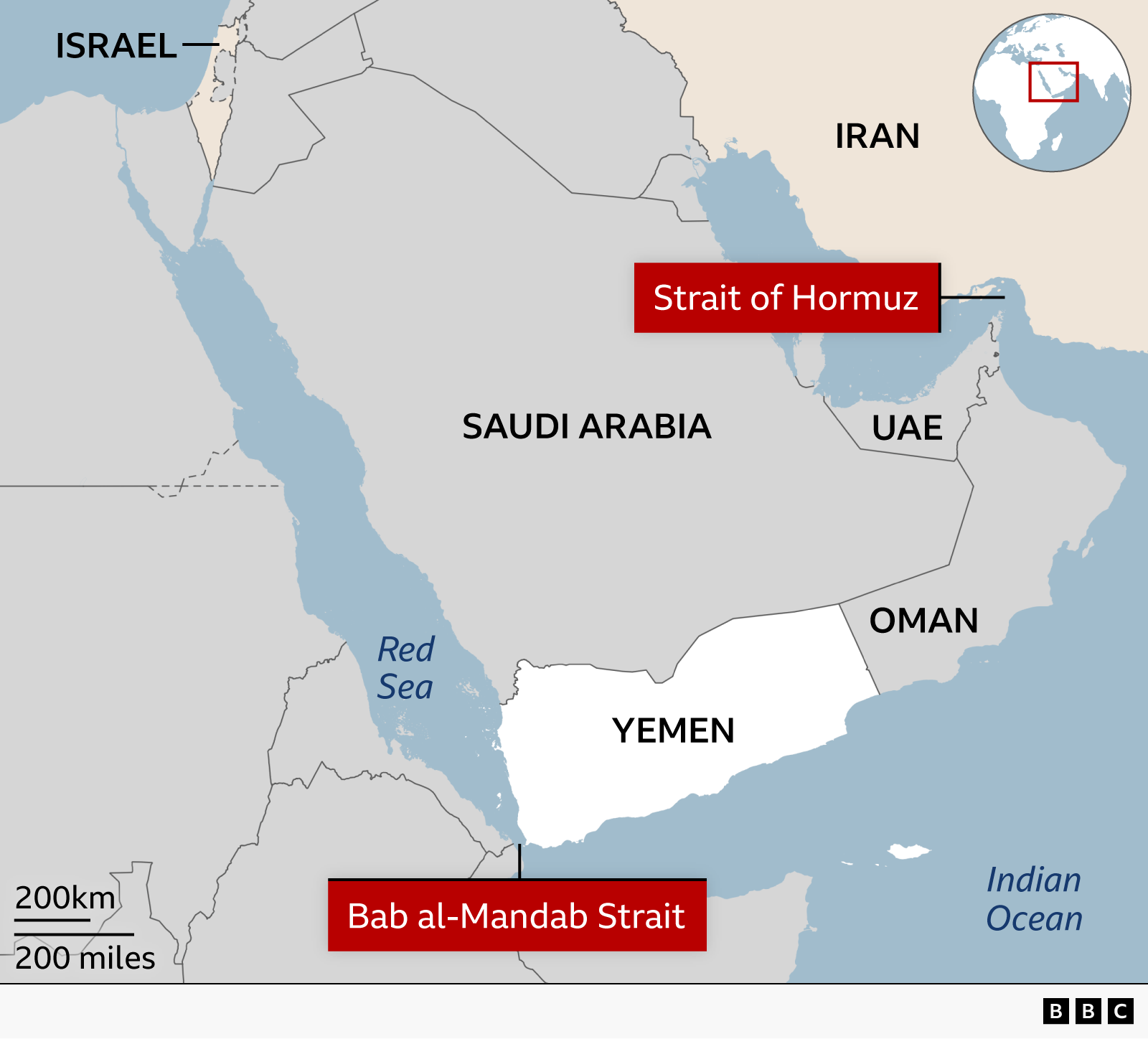
  • Iran has warned that sanctions participants could be treated as enemies and has threatened to restrict, seize or potentially halt shipping and oil exports through the Strait of Hormuz, a vital global energy corridor.
  • Hormuz traffic remains well below prewar levels, though vessels and oil shipments continue through covert or escorted operations; mines, naval confrontations and uncertain flow estimates are sustaining market volatility.
  • Iran’s economy is under severe strain, with reported oil revenue near zero, inflation above 80 percent, a sharply weakened rial, rising food and import costs, unemployment and growing social pessimism.
  • Mediation efforts are seeking renewed negotiations and sanctions relief, but stalled talks, regional strikes, political divisions in Tehran and worsening humanitarian conditions make escalation increasingly difficult to contain.

Articles in this Cluster

Iran war live: US vows ‘economic D-Day’; Tehran threatens Gulf oil exports | Donald Trump News | Al Jazeera

The Al Jazeera liveblog reports escalating regional tensions linked to the Iran war, with sanctions, maritime restrictions, threats of retaliation and military movements across the Middle East. Iranian researcher Mohsen Farkhani says Tehran considers US sanctions and the blockade of Iran acts of war rather than ordinary economic pressure. He argues Iran has so far exercised restraint but could respond if neighboring or trading countries reduce ties under Washington’s pressure. Iran’s security official Mohsen Rezaei has threatened action against countries that join the US “economic war,” describing a sequence that would begin with negotiations and could lead to strikes against those countries’ interests. Traffic through the Strait of Hormuz, a crucial energy-export route, has sharply declined. Ship-tracking data showed fewer than 20 vessels crossed the waterway over the weekend, although the real figure may be higher because some ships may have disabled their transponders. US and Iranian blockades are both reported to be restricting shipping. The updates also document related developments in Israel, Syria, Gaza and the occupied West Bank. Israeli forces reportedly detained a Syrian shepherd during an incursion into Quneitra and advanced into the southern Syrian village of Ma’ariya. In the West Bank, Israeli police arrested two teenagers after footage allegedly showed a settler assaulting a 60-year-old Palestinian amputee in Masafer Yatta. Gaza’s hospitals are described as facing severe oxygen shortages amid attacks on medical facilities and restrictions on supplies, placing premature babies and critically ill patients at risk. UN rapporteur Francesca Albanese called for an international protection force for the West Bank, East Jerusalem and Gaza, citing Israel’s unlawful occupation and international obligations. Meanwhile, Greece reportedly moved a Patriot missile battery to Crete after Iranian threats against US bases in Europe. Together, the updates portray a rapidly worsening security and humanitarian situation with growing risks to regional trade and escalation.
Entities: Iran, United States, Strait of Hormuz, Israel, GazaTone: urgentSentiment: negativeIntent: inform

Live Updates: Iran's president defends U.S. memorandum of understanding as best path forward

The live update reports escalating tensions surrounding the U.S.-Iran war, alongside limited diplomatic efforts and worsening economic and security pressures. Iran’s Supreme National Security Council chief, Mohsen Rezai, warned that any country joining U.S. sanctions would be treated as an enemy. At the same time, Egypt attempted to revive negotiations by contacting Iran’s foreign minister, while Iran allowed some Iraqi oil tankers to pass through the Strait of Hormuz after requests from Baghdad. Iranian President Masoud Pezeshkian defended the memorandum of understanding signed with the United States in June, calling it the best available route out of a state of “neither war nor peace.” He said the agreement did not amount to capitulation and would be implemented in line with Supreme Leader Ayatollah Ali Khamenei’s policies. However, the agreement’s 60-day deadline expired after stalled negotiations and renewed fighting, with no apparent compromise over reopening the Strait of Hormuz. Pezeshkian also acknowledged that Iranian society faces serious problems as the United States expands sanctions and seeks to isolate the Iranian economy. Iran described the campaign as a full-scale economic, military and security war. Pakistan’s army chief was scheduled to visit Tehran, continuing Islamabad’s mediation efforts. Other updates highlight the conflict’s humanitarian and regional consequences. Iran executed Majid Adineh, whom authorities accused of participating in anti-government protests and acting for hostile groups. The article also reports allegations that Iranian hackers shut down a British power plant for four days, although electricity supplies were unaffected. Separately, an Israeli drone strike in southwestern Syria wounded at least one person, with Syria condemning the attack and Israel saying it targeted a militant preparing terrorist operations. Iran also announced a major natural-gas discovery in Fars province, though new production is likely years away while the country’s energy infrastructure remains damaged by U.S.-Israeli strikes.
Entities: Iran, Masoud Pezeshkian, Donald Trump, Mohsen Rezai, Mohsen PaknejadTone: urgentSentiment: negativeIntent: inform

Iran warns of Hormuz ship seizures ahead of Bessent's planned sanctions push

The article reports a sharp escalation in economic and maritime tensions between the United States and Iran. Treasury Secretary Scott Bessent said Washington would unveil what he called “the single greatest financial offensive ever” against Tehran, describing the measures as an economic “D-Day” and the endgame of the U.S. pressure campaign. The new sanctions are expected to expand an already extensive regime targeting Iran’s banking, energy, aviation, cryptocurrency, oil and shipping sectors. Bessent also warned that countries and entities continuing to serve as financial channels for Iran could face secondary sanctions and international isolation. Iran has responded with threats against both the United States and its Gulf allies. Mohsen Rezaei, Iran’s newly appointed Supreme National Security Council secretary, said countries that participate in additional economic restrictions would be treated as enemies, and warned that Iran could target the interests of oil-rich neighboring states. The Persian Gulf Strait Authority separately warned that vessels violating Iranian transit rules in the Strait of Hormuz could face fines, seizure or confiscation. Tehran’s parliament also approved a provision requiring ships using the strategic waterway to pay for services provided by Iran, although the measure still requires final approval. The confrontation follows the failure of both sides to reach an agreement during a 60-day ceasefire window, leaving the Middle East war in its sixth month. Iranian Foreign Minister Abbas Araghchi dismissed the prospective sanctions as a desperate measure. Despite the heightened risks, oil prices declined in Asian trading, with West Texas Intermediate falling about 1.3% to $85.93 per barrel and Brent crude dropping to $93.22. The UK Maritime Trade Operations agency reported no confirmed attacks in the strait during the preceding 48 hours but warned that drifting or uncharted mines remained a serious hazard.
Entities: Iran, United States, Scott Bessent, Strait of Hormuz, Trump administrationTone: urgentSentiment: negativeIntent: inform

Oil price today: WTI, Brent, U.S. sanctions, Iran

Oil prices declined on Monday as traders awaited details of a new U.S. sanctions package targeting Iran, which Treasury Secretary Scott Bessent described as Washington’s toughest-ever economic campaign against the country. West Texas Intermediate futures fell about 1.3% to $85.93 per barrel, while Brent crude dropped 1.24% to $93.22 per barrel. Bessent was scheduled to announce the measures later in the day and said the initiative represented an unprecedented financial offensive intended to pressure Tehran and collapse the Islamic Republic economically. The sanctions effort follows President Donald Trump’s threats to impose a highly punitive economic operation against Iran and to penalize countries that help Tehran evade U.S. restrictions. The administration is also urging allies and other nations to sever economic ties with Iran. Tehran rejected the threats, with Iran’s Islamic Revolutionary Guard Corps asserting that the country could counter the effects of the campaign and maintain economic relationships with other nations. The article highlights uncertainty about whether Washington’s strategy will succeed and how Iran might respond if its economic options become more constrained. Commonwealth Bank of Australia warned that oil prices could remain volatile during the second half of 2026, particularly if greater economic pressure increases the risk of Iranian retaliation or other violence affecting energy markets. The bank expects Brent crude to trade between $70 and $100 per barrel over that period. Prices could move toward the lower end of the range if oil flows through the Strait of Hormuz recover even modestly. CBA estimates that restoring 50% to 60% of pre-war volumes could revive expectations of an oversupplied global market, putting downward pressure on prices.
Entities: West Texas Intermediate (WTI), Brent crude, Iran, United States sanctions, Scott BessentTone: analyticalSentiment: negativeIntent: inform

Iran faces triple threat as control over Hormuz, economy wavers

The article describes Iran as facing simultaneous military, economic and political pressure as the war continues. Its control over the Strait of Hormuz appears to be weakening: nearly 200 vessels reportedly passed through the waterway during the previous week, a 400% increase over two weeks, with some ships receiving US Navy escorts. Maritime analysts cited in the report interpret the increased traffic as evidence that Iran has lost partial control of the strategic strait, although overall shipping remains well below prewar levels. Iran is also experiencing a sharp decline in oil revenue. The article says Iranian oil exports have fallen close to zero because of a renewed US blockade and President Donald Trump’s “economic D-Day” measures. Satellite imagery reportedly shows little activity at Kharg Island, Iran’s main oil hub. At the same time, sanctions, high inflation and unemployment are worsening the country’s economic problems. The United Arab Emirates’ decision to suspend trade with Iran after renewed missile attacks removes an important commercial gateway that previously helped Tehran obtain goods and bypass sanctions. The economic strain is contributing to a public split within Iran’s leadership. Hardliners, including Mohsen Rezaei and the Islamic Revolutionary Guard Corps, argue that Iran can withstand the pressure and continue harming the United States and its allies. President Masoud Pezeshkian, however, has warned that the economic costs are becoming unsustainable while urging the regime not to end the war in a humiliating manner. Parliament Speaker Mohammad Bagher Ghalibaf likewise warned that military strength cannot compensate for economic collapse and appealed to the value of peace. The article also highlights uncertainty surrounding Supreme Leader Mojtaba Khamenei, who has largely remained out of public view and recently appeared only in a brief, undated video. His absence, along with reported difficulty communicating with him, is presented as another sign that the regime’s authority may be weakening.
Entities: Iran, Strait of Hormuz, Mojtaba Khamenei, Masoud Pezeshkian, Mohammad Bagher GhalibafTone: analyticalSentiment: negativeIntent: analyze

US vows ‘economic D-Day’ as Iran threatens to halt all oil exports | The Straits Times

The United States is preparing what Treasury Secretary Scott Bessent describes as the “greatest financial offensive ever marshalled” against Iran and countries that continue trading with it. The new sanctions, scheduled to begin on Aug 24, are expected to target Iran’s trade partners and financial connections. Bessent warned countries that engage with Iran’s economy that they could face serious consequences, while urging China to cooperate with Washington because it obtains a large share of its oil from the Gulf. Iran has threatened a major retaliation if the economic campaign continues. Mohsen Rezaei, secretary of Iran’s Supreme National Security Council, said Tehran could halt every oil export from the Persian Gulf and Strait of Hormuz. He warned that countries supporting the US sanctions would be treated as having committed an act of war. Such a move could further disrupt shipping through one of the world’s most important energy routes and push fuel prices higher. The threats come after months of military and economic conflict. US and Israeli strikes since Feb 28 have reportedly killed thousands, including Iranian Supreme Leader Ayatollah Ali Khamenei, damaged Iran’s infrastructure and weakened its conventional military forces. Iran nevertheless retains missile and drone capabilities that could threaten Gulf neighbours and oil tankers. The condition of its nuclear programme remains unclear. Iran’s economy was already suffering from inflation, a weak currency, energy shortages and long-standing sanctions. Further damage to infrastructure, trade and production could deepen public hardship and undermine the government’s legitimacy. With no meaningful direct talks since June, Pakistan, Qatar and Turkey are attempting to mediate. Pakistan’s army chief, Asim Munir, was expected to visit Tehran to discuss regional security and the possible restoration of diplomacy. China has also called for negotiations, saying sanctions and pressure will not resolve the crisis.
Entities: United States, Iran, Scott Bessent, Mohsen Rezaei, Ayatollah Ali KhameneiTone: urgentSentiment: negativeIntent: inform

Deadly version of the Battleships game is playing out in Hormuz: Who will win? | The National

The article examines the struggle over shipping through the Strait of Hormuz, comparing it to a deadly game of Battleships in which Iran seeks to locate and obstruct vessels while the United States and analysts try to track them and measure the economic consequences. Oil is still leaving the strait through convoy and shuttle operations, often at night and with transponders disabled, but estimates vary sharply. US Energy Secretary Chris Wright has cited flows of more than 8 million barrels per day, while satellite and ship-tracking analysts believe 4-6 million barrels per day is more plausible. Liquefied petroleum gas and some refined products are also moving, but liquefied natural gas, fertilisers, sulphur, methanol and aluminium remain vulnerable. The author questions how sustainable the US military effort is, citing depleted precision munitions and missile interceptors, overstretched aircraft carriers and the strategic risk of moving the USS George Washington from East Asia. Washington is also preparing severe new sanctions against Iran and threatening countries that support Tehran economically. China, Iran’s main trading partner and major oil buyer, is unlikely to accept US pressure, while the UAE has suspended trade and financial relations with Iran after missile launches toward its territory. Iran’s economy is deteriorating, but the leadership appears unwilling to make concessions because it expects further US coercion. The article argues that economic hardship has historically failed to produce regime change in Iran and other sanctioned states. Meanwhile, global markets face mounting pressure: Brent crude has risen above $94 per barrel, refining margins have reached extraordinary levels, and refineries are operating near maximum capacity. China’s decisions about refinery runs and product exports will be crucial. Wider concerns over tariffs, inflation, debt and rising bond yields add to the uncertainty. The author concludes that the confrontation is a dangerous strategic contest rather than a bloodless economic exercise.
Entities: Strait of Hormuz, Iran, United States and US Navy, China, United Arab EmiratesTone: analyticalSentiment: negativeIntent: analyze

‘Everyone is depressed’: Iranians brace for Trump’s crushing economic war | The National

Iran’s economy is facing an intensifying crisis as the United States prepares to announce what President Donald Trump has called his “most crushing economic operation ever taken.” The pressure comes after months of war, expanded US sanctions, an alleged naval blockade, and the UAE’s suspension of all trade and financial ties with Tehran. The UAE had been a crucial commercial partner and an important source of imports for Iranian businesses and consumers. The economic consequences are being felt across Iran. The rial has weakened to approximately 1.9 million to the US dollar, compared with 1.65 million before the conflict. Annual inflation has exceeded 80 percent, while unemployment reached 9.1 percent by early June, a four-year high. Food prices have risen sharply: cooking oil is reportedly 400 percent more expensive than a year earlier, while meat costs as much as $15 per kilogram. Higher shipping costs have also increased the price of raw materials and imported goods, further reducing purchasing power. Iranian shopkeepers and private-sector workers fear that additional isolation will make it harder to obtain goods, process payments, and maintain their businesses. A Tehran clothing retailer described widespread fear and depression among traders, while a pharmaceutical-sector employee said financial channels in neighboring countries were already becoming more restricted. Iran’s central bank governor, Abdolnaser Hemmati, said the country was exporting no oil and that revenue from oil sales had “fallen to zero.” Trump has warned countries and companies against providing Iran with financial or logistical assistance, while US Treasury Secretary Scott Bessent described the effort as potentially the greatest coordinated economic isolation campaign in history. The article portrays an economy already weakened by years of sanctions and mismanagement now facing further contraction, uncertainty, and social distress.
Entities: Iran, Tehran, Donald Trump, United States, United Arab Emirates (UAE)Tone: analyticalSentiment: negativeIntent: inform

Iran war latest: US poised to announce ‘economic D-Day’ against Tehran | The National

The supplied page capture is a live-news page titled “Iran war latest: US poised to announce ‘economic D-Day’ against Tehran,” updated on August 24, 2026, at 6:10 AM. It does not include the full article body or detailed live-blog entries; instead, it provides the main headline and a series of update and video teasers. The central development is the expected announcement by the United States of a major economic campaign against Iran. Iran has warned that countries participating in the campaign will be treated as enemies, suggesting that the economic confrontation could widen into a broader diplomatic and regional crisis. The page also reports that Iran expects Pakistan’s army chief to visit Tehran, while Syria and Israel are holding US-mediated talks aimed at containing rising tensions. Another major regional issue is the Strait of Hormuz. The Saudi Crown Prince is scheduled to travel to France to discuss the strait, while related video headlines report that President Donald Trump described it as future US “territory.” A separate markets item says that the UAE has halted trade with Iran, indicating possible regional economic consequences. Other related headlines cover Trump’s assessment that Iran is not ready for an acceptable deal, US missile and air-defense funding requests, an alleged Air Force One escape prompted by an Iranian threat, and Trump’s comments about compensation. The page also includes updates on Gaza, including Pope Leo’s appeal for aid and reconstruction and reports of Israeli strikes that killed two people, as well as coverage of Hezbollah- and Houthi-related regional security risks. Because the supplied content consists largely of headlines and website interface material, it supports only a high-level summary rather than a detailed account of events, sources, casualties, or policy measures.
Entities: Iran, United States, Tehran, US economic campaign, Donald TrumpTone: urgentSentiment: negativeIntent: inform

Trump's economic war with Iran needs a diplomatic off-ramp | The National

The editorial argues that US President Donald Trump’s threatened “most crushing economic operation ever” against Iran should be used to create diplomatic leverage rather than become an end in itself. The measures are expected to expand sanctions by punishing countries trading with Iran, targeting sanctions-evasion networks, restricting banks and financial infrastructure, and attacking Iranian oil exports. The escalation comes as the war approaches its six-month mark and Iran’s economy is already suffering extensive damage, which Tehran estimates at approximately $270 billion in infrastructure and industrial losses. Although Iranian officials have publicly dismissed the threat as another exhausted sanctions campaign, the editorial detects growing concern within Iran’s leadership. President Masoud Pezeshkian has called for the conflict to end while Tehran still retains leverage, while parliamentary speaker Mohammad Bagher Ghalibaf has warned that military strength cannot sustain a country whose population is hungry and whose economy is stagnant. The article acknowledges that Iran’s economic troubles predate the war, citing corruption, mismanagement, and the diversion of resources to proxy conflicts. It also criticizes Tehran’s conduct in the Strait of Hormuz, including laying sea mines and threatening shipping, arguing that these actions have pushed other countries toward alternative trade routes and pipelines. Nevertheless, the editorial urges Washington to combine pressure with a diplomatic offer. It says the United States should make clear that serious negotiations could bring phased sanctions relief, renewed access to trade and finance, and a route toward economic normalization in exchange for Iranian security commitments. The article concludes that a diplomatic opening may still exist, but it is narrow and requires immediate action.
Entities: Donald Trump, Iran, United States, Tehran, Abbas AraghchiTone: analyticalSentiment: negativeIntent: persuade

Trump's threat of economic consequences: Who will it affect and is it credible? | The National

The article examines US President Donald Trump’s warning that countries supporting Iran’s financial institutions, businesses or government entities will face “tremendous economic consequences.” US Treasury Secretary Scott Bessent is expected to announce measures designed to isolate Iran economically, potentially targeting countries that continue trading with Tehran. The measures appear likely to involve “secondary sanctions” against third-party nations rather than sanctions directed only at Iran. According to economist Aathira Prasad, the strategy is intended to pressure China, India and Middle Eastern countries into choosing between their commercial relationships with Iran and access to the US market. Such measures could affect Iran’s oil and non-oil export revenues. China, Iraq, the UAE and Turkey are identified as Iran’s main trading partners, with China also reportedly receiving substantial unreported Iranian crude oil exports. Iran’s central bank chief, Abdolnaser Hemmati, said the country’s oil revenue had fallen to zero as restrictions tightened. The UAE has already suspended all trade, commercial exchanges and financial transactions with Iran following attacks on UAE-owned tankers and missile strikes. Other Gulf countries may seek diplomatic exemptions while enforcing restrictions on specific goods. Banks and businesses would also face pressure to strengthen anti-money-laundering and counter-terrorist-financing controls. The article questions whether Trump’s threat is credible and sustainable. The administration has previously threatened tariffs and sanctions against Iran’s trading partners, but the implementation of earlier measures was unclear. Analysts say such actions could encounter legal challenges, administrative difficulties and consequences for US inflation. Exemptions and grace periods offered to major partners in the past suggest the threats may function primarily as bargaining leverage rather than permanent trade barriers. China has rejected economic pressure and called for diplomacy, while Iran’s foreign minister accused Washington of pursuing “economic terrorism.”
Entities: Donald Trump, Iran, United States, Scott Bessent, Aathira PrasadTone: analyticalSentiment: neutralIntent: analyze

Cartoon for August 24, 2026 | The National

The National’s August 24, 2026 opinion cartoon presents cartoonist Shadi’s perspective on what the publication describes as America’s “economic campaign against Iran.” The item is categorized under Opinion and tagged with the subjects “US,” “Iran,” “Economy,” and “Middle East,” indicating that it addresses the intersection of US foreign policy, economic pressure, and regional affairs. The supplied page text does not include the cartoon image itself, a caption explaining its visual elements, or any accompanying written analysis. As a result, the specific argument, symbolism, targets of criticism, and conclusions conveyed by the cartoon cannot be determined from the available text alone. The headline suggests a critical or satirical examination of US economic measures toward Iran, but it does not specify whether the cartoon focuses on sanctions, diplomatic pressure, trade restrictions, broader economic effects, or regional consequences. The page also links to other recent cartoons by Shadi on related Middle Eastern and international issues. These include Israeli settlements in the occupied West Bank, Iran’s declining oil exports, Iraq’s proposed currency redenomination, declining US oil reserves, the expiry of a US-Iran memorandum of understanding, Lebanon’s reconstruction challenges, and additional US economic pressure on Iran. These links establish an editorial context focused on geopolitics, energy, economic policy, and conflict in the Middle East, but they are related content rather than substantive material from the featured cartoon. Overall, the item is best understood as a short editorial-cartoon listing whose primary purpose is to offer a visual critique of US economic policy toward Iran. Any detailed interpretation would require access to the cartoon artwork.
Entities: Shadi, The National, United States, Iran, Middle EastTone: analyticalSentiment: negativeIntent: critique