09-10-2026
US Defense Secretary Pete Hegseth says the execution of Nidal Hasan, the former Army psychiatrist convicted of killing 13 people in the 2009 Fort Hood shooting, will be made available for the public to watch. Speaking to Real America’s Voice interviewer Jack Posobiec, Hegseth described President Donald Trump’s decision to authorize execution by firing squad as a “no-brainer” and said people should see the consequences of such crimes. Hegseth stated that the execution is scheduled for December 3 at 1pm US Central Time at Fort Hood, matching the time of the original shooting. A Defense Department official told Al Jazeera that the execution would be livestreamed, although further details were not yet available. It remains unclear whether people will attend in person or whether Hegseth meant public access would be through a broadcast. US Army regulations require at least two media outlets to be selected as witnesses. Hasan was sentenced to death in 2013 after a military jury found him guilty of 45 counts of premeditated murder and attempted murder. In 2009, he entered an Army processing centre at Fort Hood, Texas, and shot fellow military members who were waiting for medical attention. The article places the planned execution in historical context: no state or federal execution in the United States has ever been televised, and the country’s last public execution occurred in 1936 in Owensboro, Kentucky. The last US military firing-squad execution was in 1945, for desertion during World War II. The White House directed questions about Hegseth’s comments and whether Trump would watch to the Pentagon. The Trump administration announced in April that firing squads, gas asphyxiation, and electrocution would be permitted methods for federal executions.
Entities: Pete Hegseth, Nidal Hasan, Donald Trump, Jack Posobiec, Fort Hood • Tone: neutral • Sentiment: neutral • Intent: inform
09-10-2026
The Pentagon says the execution of Nidal Hasan, the former US Army psychiatrist convicted of killing 13 soldiers at Fort Hood in 2009, is scheduled to take place by firing squad at Fort Hood, Texas, on 3 December. US Defence Secretary Pete Hegseth said the execution would be livestreamed so the public could watch, describing it as a way to show the consequences of such crimes. A Defense Department official confirmed the plan to the BBC. If carried out, it would be the first public execution in the United States in nearly a century, and the first US military execution by firing squad since 1945.
The plan has drawn criticism from legal experts, who call it unprecedented and question whether it can proceed. John Mills, a lawyer who works with death-row inmates, said Hasan’s appellate process is not complete and that a federal court challenge could stay the execution. He doubted it would happen, and characterized the livestream proposal as attention-seeking. Yale lecturer Eugene R. Fidell called the decision deeply unfortunate and said legal proceedings could last years. Fordham law professor Deborah Denno said a livestream could make executions more transparent, but raised questions about age restrictions and platform rules.
Major social media services prohibit or restrict graphic depictions of violence and death. Meta and TikTok ban livestreams of executions; X says it removes depictions of a person’s death if requested by family or an authorized representative. It remains unclear where a broadcast could be hosted, and the BBC sought comment from the companies and the White House. Truth Social does not offer user livestreaming.
Hasan admitted he was the gunman in the 2009 attack, which took place in a crowded medical building where soldiers were awaiting check-ups and vaccinations. At his 2013 court martial, he said he believed he was protecting Muslims and the Taliban in Afghanistan. Military executions require presidential approval and appellate review. The article also places the proposal in the context of US death-penalty policy, Trump’s support for capital punishment, and the history of military executions: the last was in 1961, while the last military firing-squad execution was that of Eddie Slovik in 1945.
Entities: Nidal Hasan, Pete Hegseth, Donald Trump, John Mills, Eugene R. Fidell • Tone: analytical • Sentiment: neutral • Intent: inform
09-10-2026
The article reports that the US military plans to livestream the execution of Nidal Hasan, the former Army psychiatrist convicted of killing 13 people and wounding 32 others at Fort Hood, Texas, in 2009. The execution is scheduled for December 3 and is to be carried out by firing squad. Pentagon officials confirmed that it would be livestreamed, while saying that further details would be provided later.
The announcement followed remarks by US Defense Secretary Pete Hegseth, who said in a video posted by official Pentagon accounts that Hasan would face a firing squad and that the public would be able to watch. Hegseth made the comments while speaking with right-wing influencer Jack Posobiec aboard the USS Abraham Lincoln aircraft carrier. He said the public should understand that such acts have serious consequences, and also invoked a World War II-era “win” mentality.
Hasan was sentenced to death by a military court in 2013. At trial, he said he carried out the shooting to protect Taliban members in Afghanistan from US troops. The article describes the planned execution as the first by the US military since 1961 and the first military firing-squad execution since World War II. It also notes that the announcement comes amid the fallout from the botched execution of Christa Pike, but provides no further details about that case. The report closes by noting that additional information about the execution is expected from Pentagon officials.
Entities: Nidal Hasan, Pete Hegseth, Jack Posobiec, Christa Pike, Fort Hood, Texas • Tone: neutral • Sentiment: negative • Intent: inform
09-10-2026
The Pentagon says the execution of Nidal Malik Hasan, the former Army psychiatrist convicted in the 2009 Fort Hood shooting, will be livestreamed on December 3. Defense Secretary Pete Hegseth announced that the execution would be public in an interview with conservative outlet Real America’s Voice News, and Pentagon officials later confirmed the livestream, saying further details would be provided. Hasan was convicted of killing 13 people and wounding 32 at the Texas military base. Hegseth said he did not care whether Hasan had made final requests or contacted the Trump administration. Pentagon spokesperson Sean Parnell previously said President Donald Trump had approved the execution. The article contrasts the planned public execution with Trump’s past condemnation of public executions in Iran, which he had cited in warnings to the Iranian government before the United States attacked Iran over its missile capabilities and nuclear ambitions. Military-law experts say Hasan could resist execution and seek a habeas petition in civilian court, potentially delaying the process long enough to extend beyond the current administration. Yale Law School lecturer Eugene R. Fidell noted that a future administration might take a different approach to executions. The article recounts the attack: Hasan entered a medical building where soldiers were waiting for deployment-related services, shouted “Allahu akbar,” and opened fire. Trial evidence showed that he had planned the attack and practiced reloading. Hasan said he acted to prevent soldiers from deploying to Afghanistan and killing fellow Muslims, but the judge barred that argument as a defense. Hasan largely did not contest that he was the shooter, describing himself as a soldier who had “switched sides.” Hegseth said the military had not executed a service member by firing squad since World War II; the last military execution, by hanging, took place in 1961.
Entities: Nidal Malik Hasan, Fort Hood, Pentagon, Pete Hegseth, Donald Trump • Tone: analytical • Sentiment: neutral • Intent: inform
09-10-2026
The article reports that the US Department of Defense intends to live-stream the planned firing squad execution of Nidal Hasan, the former Army psychiatrist convicted of a 2009 mass shooting at Fort Hood. The Pentagon’s announcement followed comments by Defence Secretary Pete Hegseth, who said the execution would be public so people could witness the consequences of such crimes. Hasan’s execution is scheduled for December 3 at Fort Hood, according to Hegseth. The article describes the case as the first US military death sentence since 1961.
Hasan was convicted of killing 13 people and injuring 32 others in the shooting at the Texas military base. Hegseth made his remarks during an interview with Real America’s Voice News on Wednesday. He was speaking aboard the USS Abraham Lincoln aircraft carrier while visiting its crew, which the article says had been deployed for an extended period and supported the Iran war, ahead of the ship’s return to its home port in San Diego.
The report focuses on the administration’s stated plan for public access to the execution and the rationale offered by Hegseth. It does not provide further detail about how the live stream will be made available, nor does it include responses from Hasan, victims’ families, or other officials. The article is attributed to the Associated Press and presents the announcement and background in a concise news-reporting style.
Entities: Nidal Hasan, Pete Hegseth, Fort Hood, Pentagon, Real America’s Voice News • Tone: neutral • Sentiment: negative • Intent: inform
09-10-2026
The article reports that US President Donald Trump has ordered the execution of Nidal Hasan, the former Army psychiatrist convicted of the 2009 Fort Hood shooting, and that Defence Secretary Pete Hegseth says the execution will be carried out by firing squad on December 3 at Fort Hood and livestreamed. Hegseth said the public should be able to watch because people need to understand the consequences of such acts. A Pentagon official confirmed to Reuters that the execution would be livestreamed, with further details to come. Pentagon spokesperson Sean Parnell said Trump approved the execution on Hegseth’s recommendation.
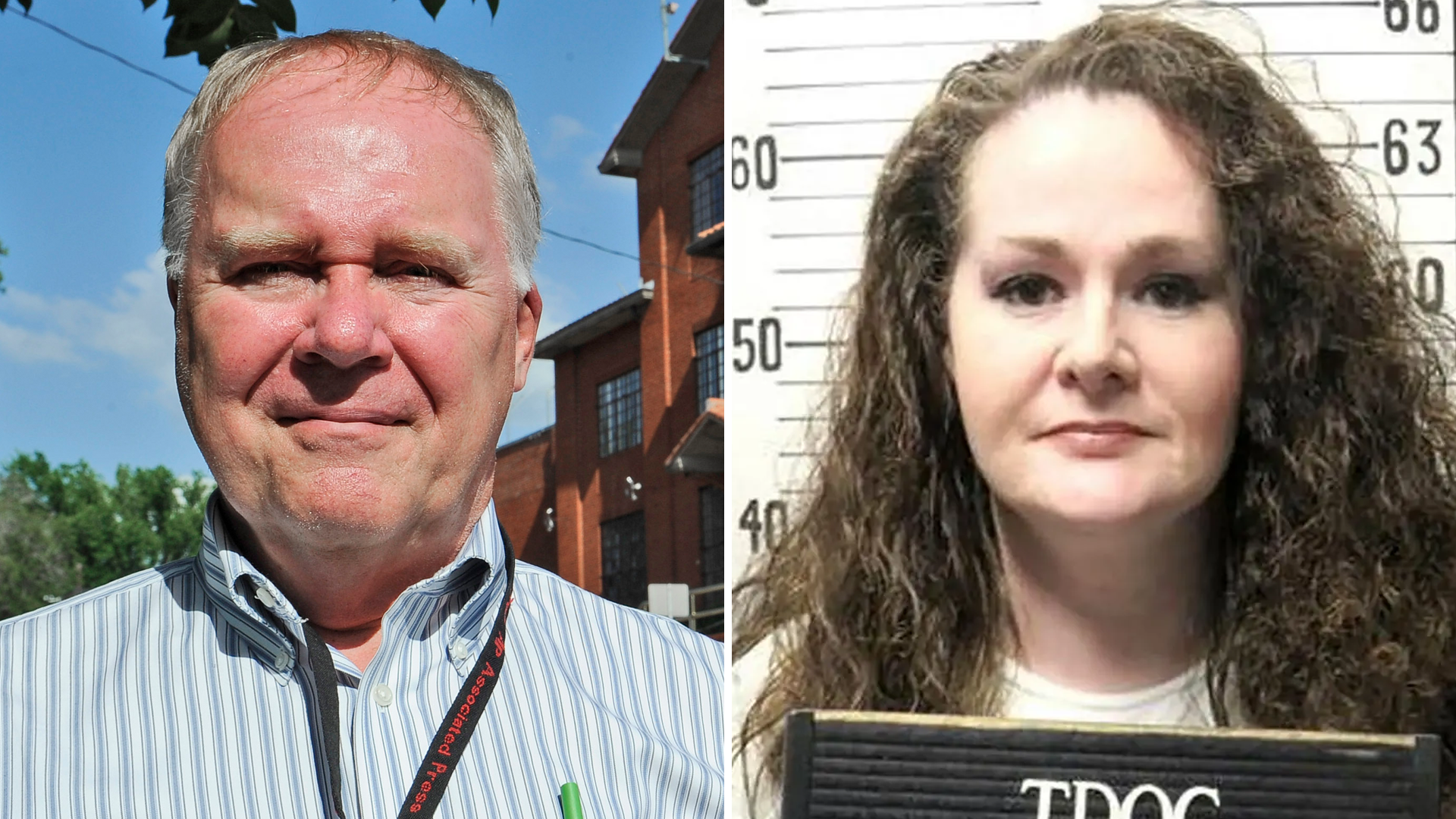
Hasan killed 13 people—12 active-duty soldiers and one retired serviceman—and wounded others in a shooting at a medical centre on the Texas military base. The article gives the number wounded as 32 in some passages and 31 in the headline and image caption. Hasan was convicted by a military jury in 2013 on 45 counts of premeditated murder and attempted premeditated murder. The attack took place weeks before he was scheduled to deploy to Afghanistan; Hasan later described it as retaliation for US wars in the Muslim world. He was shot by police during his arrest and left partially paralysed and using a wheelchair.
The planned execution would be the first US military execution since 1961, when a serviceman was hanged, and the first military firing-squad execution in decades. The article says the Trump administration expanded federal execution methods to include firing squad, electrocution and gas asphyxiation, in part because lethal-injection drugs have become difficult to obtain and executions using them can be problematic. It also cites a recent botched lethal-injection attempt in Tennessee involving death-row inmate Christa Pike, who survived and later regained consciousness.
The article explains that military death sentences require presidential approval under the Uniform Code of Military Justice. It also notes that at least five states authorize firing squads and that South Carolina carried out the first such US execution in 15 years in 2025. Death Penalty Action criticized Trump’s decision, while the Death Penalty Information Centre provided historical context on military executions.
Entities: Nidal Hasan, Donald Trump, Pete Hegseth, Sean Parnell, Fort Hood • Tone: analytical • Sentiment: negative • Intent: inform
09-10-2026
The Pentagon plans to livestream the December 3 firing-squad execution of Nidal Malik Hasan, the former Army psychiatrist convicted of killing 13 people and injuring 32 at Fort Hood in 2009. The execution is scheduled at the Texas military base where the attack took place. Defence Secretary Pete Hegseth has backed making it public, arguing that viewers should understand the consequences of such crimes. President Donald Trump authorized the execution on Hegseth’s recommendation, as required under US military law.
If carried out, Hasan’s execution would be the first by a US military firing squad since 1945. The article also describes it as a striking return to public execution: the last legally sanctioned public execution in the United States was in 1936. Reuters reported that experts knew of no other country currently livestreaming a legally sanctioned execution.
The broadcast plan has prompted legal and ethical questions. Military law expert Eugene Fidell said Hasan might seek to delay the execution through a habeas petition in civilian court and would need to sue in federal court to try to block the livestream. The Supreme Court has not directly ruled on livestreaming executions. Elisabeth Semel of UC Berkeley Law questioned the effects on Hasan’s dignity, who would be permitted to watch, and the administration’s purpose, characterizing the proposal as a spectacle.
The plan comes amid renewed scrutiny of capital punishment after a botched lethal injection in Tennessee and continuing difficulties in some states obtaining execution drugs and willing medical personnel. The article notes that at least five states permit firing squads, South Carolina conducted a firing-squad execution in 2025, and the Trump administration has expanded federal execution methods to include firing squads, electrocution and gas asphyxiation. It remains unclear whether Hasan will challenge the execution.
Entities: Nidal Malik Hasan, Pete Hegseth, Donald Trump, Fort Hood, Pentagon • Tone: analytical • Sentiment: neutral • Intent: inform