31-07-2026
The article argues that Iran may view a limited, controlled conflict with the United States as strategically preferable to a ceasefire or peace agreement that leaves Tehran isolated and weakened. It examines how Iran’s surprise missile strike on a US base in Jordan fits a broader pattern of calibrated escalation designed to maintain pressure on Washington, global shipping, and energy markets without triggering an all-out war. The piece suggests that Iran’s leaders may believe a prolonged but contained conflict preserves leverage by keeping the Strait of Hormuz, the Bab al-Mandab route, sanctions, and the naval blockade central to international attention, rather than allowing regional oil exporters and the US to normalize the situation.
The article also explores domestic political incentives. With high inflation, unemployment, economic hardship, and public dissatisfaction inside Iran, external confrontation can help rally nationalist support and justify tighter security measures. However, the analysis stresses that this strategy is risky: Iran is already suffering military and economic damage, and a miscalculation could widen the war, draw in more regional actors, and produce stronger international support for a tougher response. The article notes signs of broader regional involvement, including Saudi strikes on Iran-aligned groups and the Houthis. Ultimately, it concludes that the next unexpected strike could determine whether the conflict remains limited or escalates into a much larger confrontation.
Entities: Iran, United States, Jordan, Strait of Hormuz, Bab al-Mandab • Tone: analytical • Sentiment: neutral • Intent: analyze
31-07-2026
As the Iran war drags into its sixth month without a clear military or diplomatic resolution, President Trump is being pressed by two of Washington’s closest regional partners—Israel and Saudi Arabia—to pursue very different paths. Israeli Prime Minister Benjamin Netanyahu, who met with Trump at the White House, urged a harder line that could include an enforceable nuclear deal, an economic blockade, or renewed military strikes aimed at Iran’s supply routes. Saudi Defense Minister Khalid bin Salman, by contrast, urged caution and framed Iran’s behavior as an attempt to gain leverage through escalation, especially via proxies in Yemen and Iraq.
The article describes how the conflict has widened across the region, with the Saudis joining U.S. strikes on Iranian-backed militias in Iraq and bombing Houthi positions in Yemen after attacks on Saudi shipping and infrastructure. Saudi leaders are worried that Netanyahu’s approach could further escalate the war and prolong instability. Meanwhile, diplomacy remains stalled: Iran rejected a proposal to reopen the Strait of Hormuz, a recent truce collapsed quickly, and U.S. officials say further bombing is unlikely to force regime change. Netanyahu still appears to favor regime change as a long-term outcome, while Trump says he prefers negotiations. The piece highlights the competing pressures on Trump, the uncertain status of U.S. troops and regional allies, and the continuing danger of escalation around the Gulf and the Strait of Hormuz.
Entities: Iran, United States, Donald Trump, Benjamin Netanyahu, Saudi Arabia • Tone: analytical • Sentiment: negative • Intent: inform
31-07-2026
The article reports that the United States resumed airstrikes inside Iran after Iran launched a surprise ballistic-missile attack targeting U.S. forces in the Middle East. President Donald Trump said the U.S. would respond forcefully, signaling that Iran would "get a beating" after what he framed as an attempted attack on American personnel. According to U.S. Central Command, all of the missiles fired by Iran’s Islamic Revolutionary Guard Corps were intercepted and no casualties or damage were immediately reported, but the broader conflict remains highly volatile.
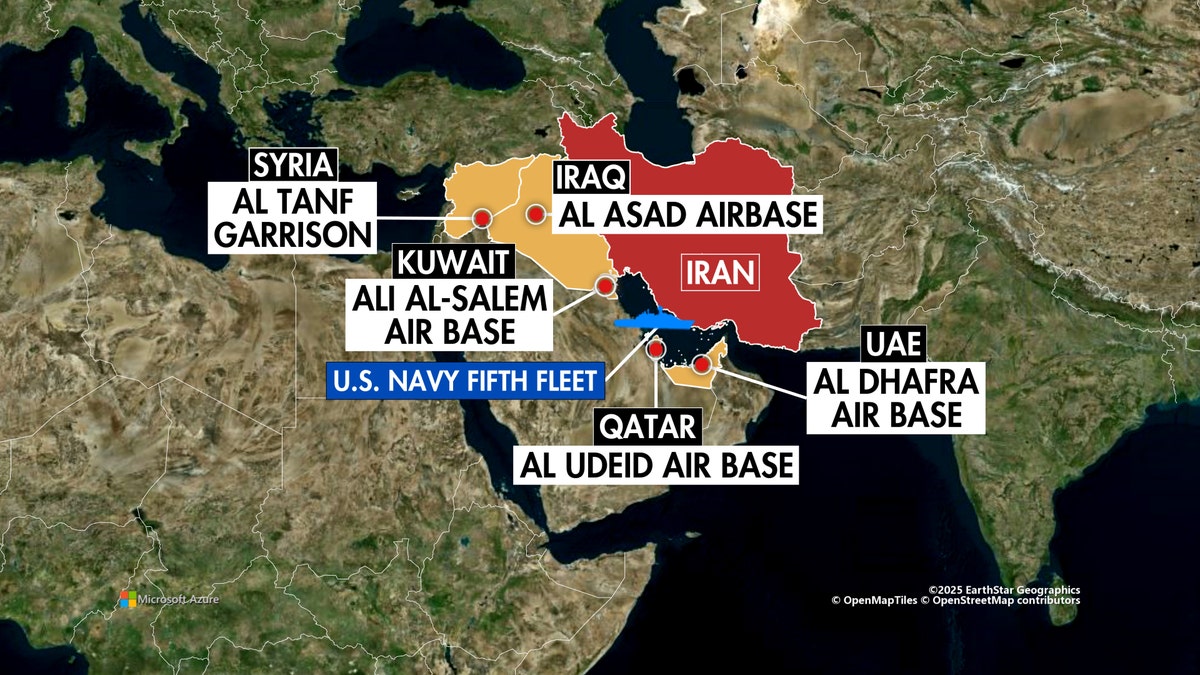
The piece centers on analysis from Behnam Ben Taleblu of the Foundation for Defense of Democracies, who argues that the attack shows Iran has become more risk-tolerant, more confident, and ultimately more dangerous, even if its capabilities may be limited. He warns that successful interceptions should not be mistaken for restored deterrence, because Iran appears willing to test U.S. resolve and absorb retaliation while trying to control escalation. The article also notes wider regional implications, including threats to shipping in the Strait of Hormuz, strikes involving U.S. and Saudi forces against Iran-backed groups in Iraq, and the earlier deadly attack in Jordan that killed two U.S. service members. Overall, the story portrays an escalating U.S.-Iran confrontation with potential to broaden across the Middle East.
Entities: Donald Trump, Iran, Tehran, United States, U.S. Central Command • Tone: urgent • Sentiment: negative • Intent: inform
31-07-2026
The article reports that the Trump administration is open to renewed peace talks with Iran, but only if Tehran first agrees to a cease-fire. A U.S. official says the “ball is in Tehran’s court,” emphasizing that any negotiation must begin with Iran stopping attacks. The piece frames the conflict as not only a confrontation between Washington and Tehran, but also an internal struggle inside Iran between civilian leaders such as President Masoud Pezeshkian and Foreign Minister Abbas Araghchi, who are said to favor diplomacy, and the Islamic Revolutionary Guard Corps (IRGC), which is described as driving military escalation and acting independently. The article says the U.S. has retaliated with strikes after Iran attacked a U.S. base in Jordan, and that further attacks on U.S. forces, allies, or shipping would bring more punishment. It also notes ongoing back-channel and technical talks through international mediators, with the goal of reaching a new understanding that preserves some elements of previous arrangements while keeping the Strait of Hormuz open to free passage. Despite the diplomatic track, the IRGC is portrayed as defiant, threatening harsh responses to the U.S. and its partners. Overall, the article portrays a tense moment in which diplomacy remains possible, but only if Iran de-escalates first and brings its military factions under control.
Entities: Donald Trump, Iran, Tehran, Washington, Masoud Pezeshkian • Tone: urgent • Sentiment: negative • Intent: inform
31-07-2026
CNN’s live update covers the widening regional fallout from the US-Iran war, showing signs that the conflict is spreading beyond Iran and Israel into surrounding countries and maritime routes. Saudi Arabia announced that 14 countries have backed its proposal for a multinational Maritime Defense Alliance to protect international shipping routes and global trade, reflecting growing concern over threats to key waterways such as the Strait of Hormuz and Bab el-Mandeb. The article also reports an unconfirmed Iranian strike on Kuwait’s Ahmad al-Jaber Air Base, marking a possible escalation into another Gulf state, while noting a separate drone attack on an Egyptian port that has not been claimed by any party and has not caused reported casualties.
The update links these developments to broader military and diplomatic tensions: Iranian state media said US strikes killed a family on Qeshm Island, Israel said it destroyed Hezbollah tunnels in southern Lebanon using about 700 tons of explosives, and Israeli leaders warned of a harsh response to any ceasefire violations. The piece also notes that the US Senate again failed to advance a resolution rebuking President Donald Trump over the war, underscoring the domestic political stalemate in Washington. Overall, the article portrays a conflict that is expanding geographically, intensifying militarily, and drawing in more regional actors, even as diplomatic efforts and maritime security arrangements try to contain it.
Entities: US-Iran war, Saudi Arabia, Maritime Defense Alliance, Strait of Hormuz, Bab el-Mandeb • Tone: analytical • Sentiment: negative • Intent: inform