30-03-2026
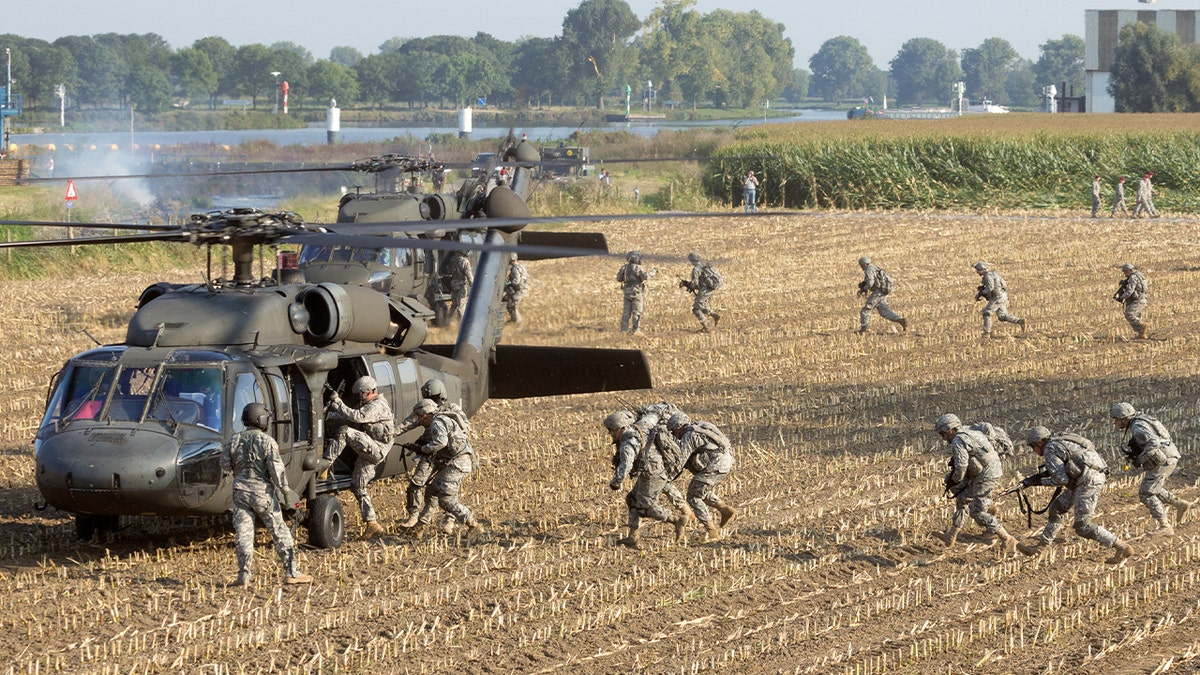
The US has deployed over 3,500 troops to the Middle East, including the USS Tripoli with 2,500 Marines, as the Iran war intensifies. The USS Tripoli, an amphibious assault ship, arrived in the region along with other ships and a Marine Expeditionary Unit. The deployment comes after Iran fired ballistic missiles and drones at Saudi Arabia's Prince Sultan air base, injuring 10 US troops. The war has disrupted global air travel, oil exports, and caused fuel prices to soar. Iranian-backed Houthi rebels have entered the conflict, launching strikes on Israel and potentially threatening global shipping through the Bab el-Mandeb Strait. The US has given Iran until April 6 to reopen the Strait of Hormuz, but Iran has rejected a 15-point proposal for a ceasefire.
Entities: USS Tripoli, Iran, Middle East, US, Marines • Tone: neutral • Sentiment: negative • Intent: inform
30-03-2026
The article is a transcript of an interview with Iran policy analyst Karim Sadjadpour and former CENTCOM commander Gen. Frank McKenzie on 'Face the Nation with Margaret Brennan'. They discussed the ongoing war in Iran, the role of mediators, and the potential for a negotiated settlement. Sadjadpour stated that the Iranian regime is not willing to compromise due to rising oil prices and declining American public opinion about the war. McKenzie assessed that Iran's activation of its militias in Yemen is not a game-changer and that the US has the capability to prevent disruptions to the Strait of Hormuz. The conversation also touched on the potential for a ceasefire, the Iranian regime's ideology, and the likelihood of a US-Iran normalization.
Entities: Karim Sadjadpour, Gen. Frank McKenzie, Margaret Brennan, Iran, Pakistan • Tone: analytical • Sentiment: negative • Intent: inform
30-03-2026
The article analyzes the ongoing conflict between the US and Iran under President Donald Trump's administration, highlighting the crossroads it has reached one month into the war. The conflict has escalated with the involvement of US ground troops potentially on the horizon, and a worsening global economic situation. Despite Trump's claims of 'productive' contacts with Iran, there's no clear sign of a resolution. The article discusses the high stakes for both countries, the devastating impact on Iran's military capabilities, and the challenges in achieving a ceasefire due to the vastly different demands of the two sides. It also notes Pakistan's initiative to facilitate third-party talks involving Middle Eastern powers to find a way out of the conflict. The war has already shown signs of widening with the involvement of Iran-backed militias like Yemen's Houthis, potentially threatening key shipping routes and exacerbating economic impacts globally.
Entities: Donald Trump, Iran, United States, Israel, Pakistan • Tone: analytical • Sentiment: negative • Intent: inform
30-03-2026
Iran's parliament speaker, Mohammad Baqer Qalibaf, has vowed that Iran will never accept humiliation from the US, in response to reports that the Trump administration is considering deploying ground forces to Iran. The reports, citing anonymous sources, suggest that the Pentagon is preparing options for potential US ground operations in Iran, including limited raids by Special Operations and conventional forces. The US has dispatched thousands of Marines to the Middle East, and Secretary of State Marco Rubio has said that the US is not currently postured for ground operations. Iran has rejected a 15-point ceasefire plan offered by the US and has put forward its own proposals. The situation remains tense, with concerns about shipping lanes and the Strait of Hormuz.
Entities: Mohammad Baqer Qalibaf, Iran, United States, Trump, The Washington Post • Tone: neutral • Sentiment: negative • Intent: inform