28-08-2026
Iran is preparing a list of conditions that must be met before it will reopen the Strait of Hormuz, according to Mohsen Rezaei, secretary of Iran’s Supreme National Security Council. Rezaei said mediators had asked Tehran to specify its demands and that ending the regional war was one of Iran’s conditions.
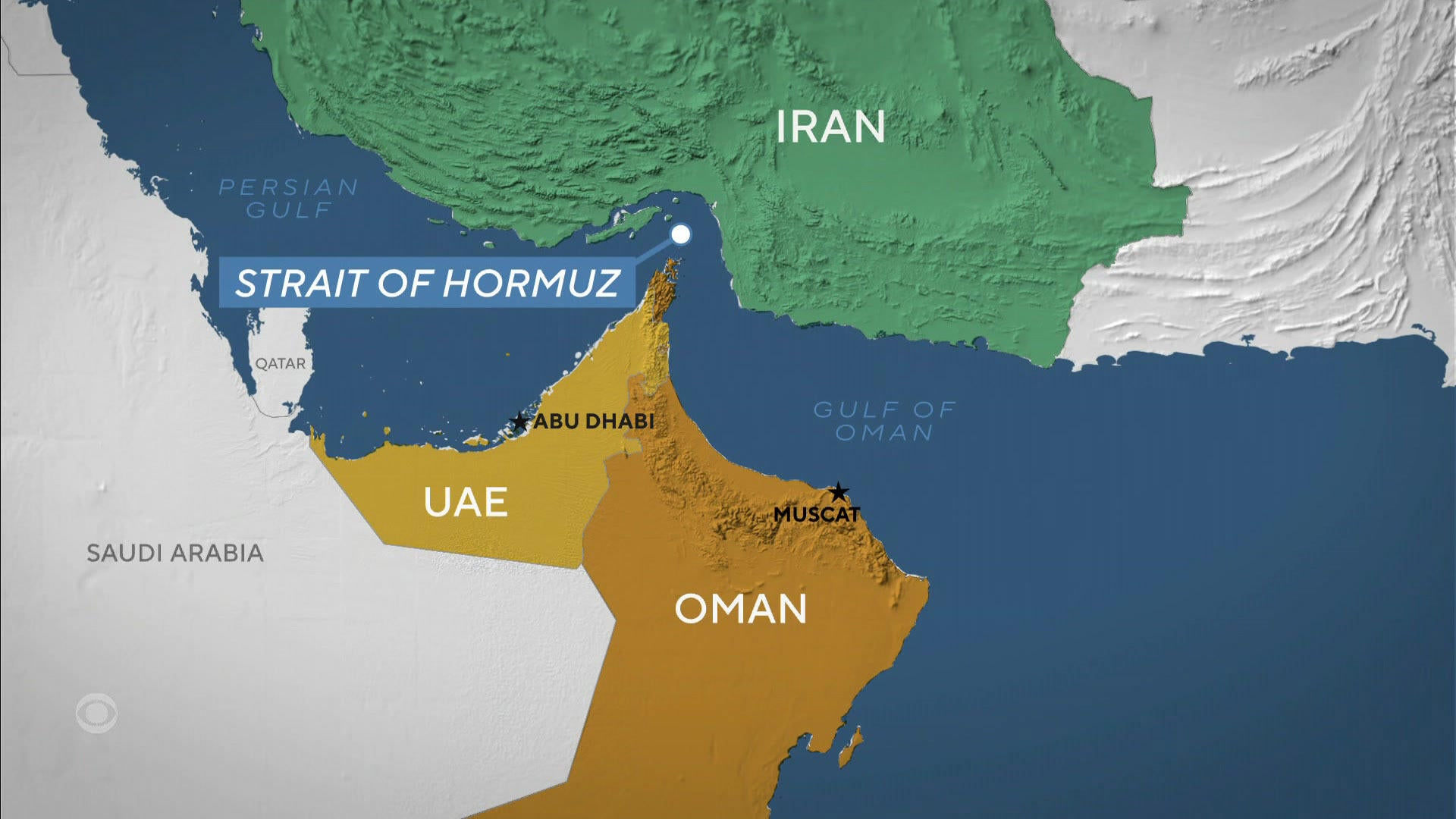
His comments came during a visit to Tehran by Qatar’s prime minister, the third delegation from a mediating country to visit Iran within a week after trips by officials from Pakistan and Oman. Qatar said discussions focused on creating a temporary shipping corridor through the strait and cooperating on mine clearance. Rezaei said Iran and Oman had agreed on a route passing through both countries’ territorial waters, with vessels using a central channel if the United States met Tehran’s demands.
Iranian officials said Washington would need to take practical steps before the waterway could be reopened. An Islamic Revolutionary Guard Corps spokesperson listed several requirements: lifting the blockade of Iranian ports, compensating Iran for war damages and removing sanctions.
The dispute follows the effective closure of the strait after a US-Israeli bombing campaign began on February 28. The waterway briefly reopened under a June memorandum of understanding, under which Iran was expected to clear mines and allow ships to pass free of charge for 60 days, while the United States lifted its blockade and eased sanctions. Iran later closed the strait again, accusing Washington of violating the agreement. The United States responded by reinstating its blockade. Although the memorandum formally expired on August 17, both sides had abandoned it weeks earlier.
US President Donald Trump said the strait was open and claimed US forces had cleared mines and that millions of barrels of oil were passing through it. However, a US administration source said the blockade remained in place and that no talks were scheduled. Trump separately said he was in no hurry to resume negotiations with Iran.
Entities: Iran, Strait of Hormuz, Mohsen Rezaei, Supreme National Security Council, Qatar • Tone: analytical • Sentiment: neutral • Intent: inform
28-08-2026
This Al Jazeera liveblog reports on the continuing US-Israel conflict with Iran and its effects on shipping, energy markets, regional security and civilians. US Treasury Secretary Scott Bessent said the naval blockade of Iranian ports and the related “Operation Economic Outcast” would further damage Iran’s economy. He claimed the United States had helped move 130 million barrels of oil through the Gulf during the previous 14 days, while Iran had moved none.
US Senator Mark Kelly criticized President Donald Trump’s handling of the conflict, arguing that the administration has limited options: escalate with ground troops, withdraw, or pursue economic pressure while rebuilding strained European alliances. Kelly said Americans were already paying more for fuel and food, and condemned attacks that killed Iranian children. He argued that diplomacy, economic pressure and restored alliances would be preferable to further military escalation.
Shipping traffic through the Strait of Hormuz remained sharply reduced. Preliminary Kpler data cited by Reuters showed five commodity vessels crossed the waterway, compared with 17 the previous day and a 10-day average of 15. Oil prices nevertheless moved lower, with Brent and West Texas Intermediate heading toward weekly losses.
The liveblog also describes the impact on Iranian fishermen in Bandar Abbas, where sanctions, fuel shortages, higher equipment costs, bombing threats, sea mines and the naval blockade have reduced fishing activity and raised seafood prices. Other updates include Israeli shelling near Damascus, which reportedly caused no injuries, and Syria’s demand for a complete Israeli withdrawal from territory it says Israel controls unlawfully.
Additional analysis examines Israeli political divisions through the historical Altalena episode and tracks Trump’s frequent Truth Social posts about Iran during the six-month conflict. The supplied article ends during an incomplete update about Trump keeping “all options” open.
Entities: Iran, Donald Trump, Scott Bessent, Mark Kelly, United States naval blockade • Tone: urgent • Sentiment: negative • Intent: inform
28-08-2026
The article reports a renewed diplomatic push involving Iran, Qatar, Pakistan and Oman as the nearly six-month Iran war continues to disrupt shipping through the Strait of Hormuz. An Iranian military-linked news outlet says Iranian and Omani officials have agreed on a temporary shipping route, but implementation would depend on the United States lifting its naval blockade and returning to the terms of an earlier truce. Qatar’s foreign minister traveled to Tehran to discuss conditions for resuming direct negotiations, while Pakistan and Qatar continue efforts to mediate between Washington and Tehran.
President Trump says Iran is seeking a deal and that the U.S. blockade and sanctions have severely damaged the Iranian economy. Iranian officials publicly maintain that the Strait will remain closed unless Washington returns to the temporary agreement. The article highlights conflicting claims about access to the waterway: Trump says it is open and that U.S. forces have assisted 24 oil tankers, while U.S. Central Command says 75 ships have been redirected by the blockade. Trump also claims the Strait has been cleared of mines, although U.S. allies reportedly question whether demining is complete.
The conflict is also producing wider regional and strategic consequences. Pakistan agreed to help strengthen Kuwait’s military through training, capacity building and border-management assistance, reflecting Gulf states’ interest in alternative security arrangements. The United States is considering possible sanctions against Chinese banks that cooperate with Iran, despite China’s rejection of the sanctions as illegal and unilateral. Separately, American and NATO officials warn that Patriot missile interceptor stocks in Europe have fallen to “beyond critical” levels because weapons have been transferred to the Middle East to defend against Iranian drones and missiles. The article presents diplomacy, maritime restrictions, sanctions and military-resource shortages as interconnected effects of the ongoing conflict.
Entities: Iran, United States, Strait of Hormuz, Donald Trump, Qatar • Tone: analytical • Sentiment: negative • Intent: inform
28-08-2026
Iran has tied the reopening of the Strait of Hormuz to a broader end to military conflicts across the Middle East, raising the stakes for any negotiations with the United States. Mohsen Rezaei, secretary of Iran’s Supreme National Security Council, said in an interview with Lebanese outlet Al Manar TV that an agreement on maritime access would require an end to military operations in Lebanon, Gaza and Syria. He specifically demanded an end to the Gaza conflict, an Israeli withdrawal from Lebanon and a halt to Israeli attacks on Syria. Rezaei said the strait could not be separated from the region’s wider conflicts and that Washington would need to demonstrate its commitment before Iran would restore trust.
Diplomatic progress appears unlikely in the near term. The Wall Street Journal reported that President Donald Trump’s administration is not interested in returning to the framework of a June memorandum of understanding with Iran. Instead, Trump is reportedly waiting to determine whether intensified economic pressure will succeed. The United States recently announced an “economic D-Day” campaign targeting Iran and countries that conduct business with it, signaling a shift away from direct military action toward sanctions and other economic measures.
Iran is permitting a temporary, limited shipping corridor through Hormuz, while future access will depend on discussions with Washington. Oman and Iran have also considered a joint shipping route and a mine-clearing mission. U.S. Central Command said American forces had helped clear mines and facilitate the passage of about 1,500 commercial vessels carrying 750 million barrels of crude oil. However, Kpler data showed only five ships crossed the strait on Tuesday, compared with roughly 130 per day before the war began, underscoring the continuing disruption to a critical global oil route.
Entities: Strait of Hormuz, Iran, United States, Donald Trump, Mohsen Rezaei • Tone: analytical • Sentiment: negative • Intent: inform
28-08-2026
Diplomatic efforts to reopen the Strait of Hormuz have intensified, with Iran preparing a list of conditions under which it would restore normal shipping through the strategically vital waterway. Qatari Prime Minister and Foreign Minister Sheikh Mohammed bin Abdulrahman Al Thani visited Tehran on Aug 27 and urged Iranian leaders to respect freedom of navigation under international law. Qatar and Pakistan previously helped broker a June memorandum of understanding that produced a ceasefire and proposed arrangements for shipping, but the agreement collapsed after Iran and the United States disagreed over Tehran’s authority to control traffic. Iran’s Supreme National Security Council secretary, Mohsen Rezaei, said Tehran had agreed with Oman on a shared shipping corridor, including sections in both Iranian and Omani waters. He said vessels could use a designated central channel if the United States accepted Iran’s conditions. Those demands have previously included lifting sanctions, ending the US blockade of Iranian ports and providing compensation. It remains uncertain whether Iran will modify them sufficiently to satisfy Washington. The United States has shifted away from negotiations toward economic pressure, while Tehran and Washington have exchanged increasingly hostile statements. US military officials say American forces have cleared sea mines and helped commercial vessels transit the strait. However, shipping remains far below normal levels because of continuing Iranian threats and uncertainty over the waterway’s security. US Central Command said 1,500 commercial vessels carrying nearly 750 million barrels of crude had transited with American assistance, but tracking services estimate traffic at only 5 per cent to 15 per cent of normal volumes. The International Maritime Organisation has recorded 70 incidents since the war began, resulting in 19 seafarer deaths.
Entities: Strait of Hormuz, Iran, Qatar, Oman, United States • Tone: analytical • Sentiment: negative • Intent: inform