28-07-2026
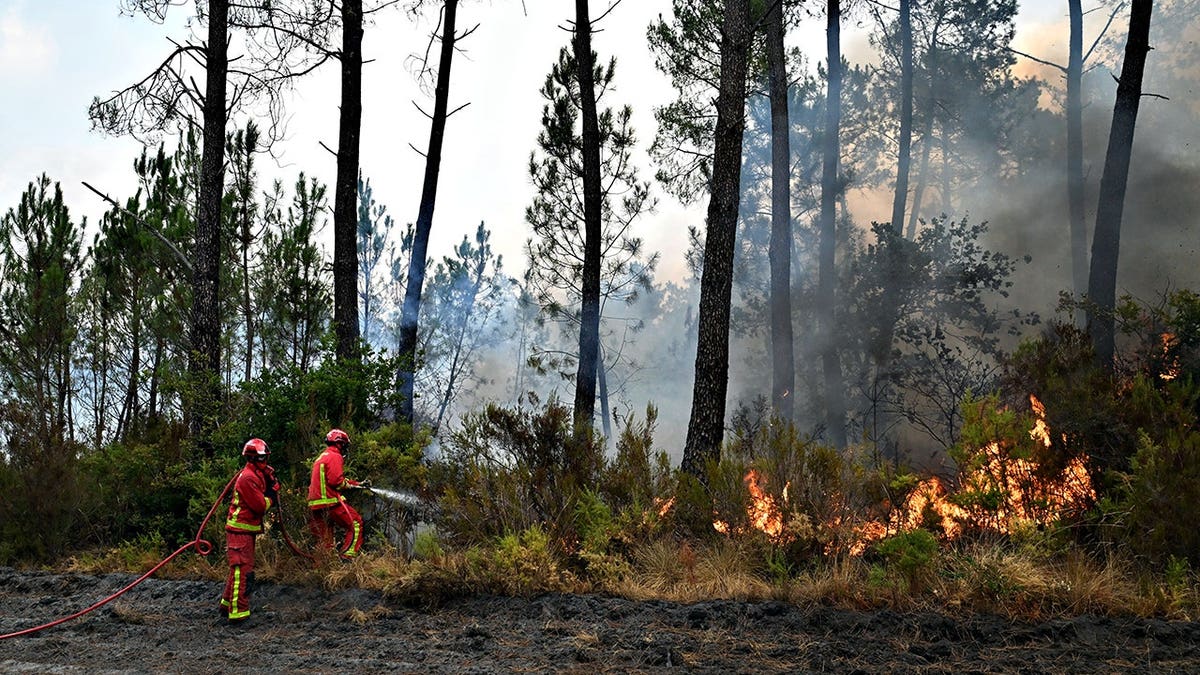
A major wildfire on France’s southern Atlantic coast has become the largest in the country this year, forcing mass evacuations, injuring firefighters, and threatening communities near Bordeaux. More than 2,500 firefighters are battling the blaze, which has already burned an area four times the size of Paris and created extreme fire behavior, including its own wind and fire storms. Officials say at least 84 firefighters have been injured, more than 200 homes destroyed, and more than 220,000 people evacuated. A second fire farther south near Biscarrosse has also displaced tens of thousands, including a family of American tourists from Tennessee who became trapped after missing an evacuation order. Rebecca Papin described being effectively confined by police barricades and roadblocks, with only one exit route through a forest already burning.
The article also places the French fires in a broader European crisis. Spain has declared a national emergency as crews fight major blazes near Madrid and Valencia, where one man was killed. Scientists attribute the fires to intense heat and drought, following Western Europe’s hottest June on record. France has already lost an area nearly the size of Los Angeles to wildfires this year, and the situation is expected to worsen as a fourth heat wave is forecast to hit France and much of Western Europe, with temperatures potentially reaching 104 degrees Fahrenheit. The story combines the immediate human toll of evacuation and entrapment with the wider climate-driven emergency across the region.
Entities: France, Spain, Bordeaux, Biscarrosse, Franklin, Tennessee • Tone: urgent • Sentiment: negative • Intent: inform
28-07-2026
France and Spain are confronting a major wildfire emergency fueled by extreme heat, dry conditions, and strong winds, with French President Emmanuel Macron describing the situation as the country’s worst since World War II. In southwestern France, especially the Gironde and Landes regions, firefighters and military engineers worked to contain a large blaze that had already burned about 42,000 hectares. Overnight conditions were relatively stable, but authorities warned that hot, dry weather and no rain would likely prolong the danger. More than 90 firefighters in Gironde have been injured.
In Spain, the crisis is even broader in terms of displacement, with more than 63,000 people evacuated from areas near Madrid, Toledo, and Ávila. The fire in Ávila has burned over 50,000 hectares, making it the largest wildfire in Spain’s history, according to officials. Spanish authorities also suspended harvesting with agricultural machinery in affected regions. The report highlights additional complications from unexploded ordnance left over from the Spanish Civil War in parts of Castellón province, which could detonate in extreme heat and complicate firefighting.
The article also emphasizes the broader public health and climate implications: smoke from the fires has worsened air quality in Bordeaux and across parts of both countries, raising PM2.5 pollution to dangerous levels. Officials and scientists frame the fires as evidence of a worsening climate emergency, while emergency crews continue efforts to build firebreaks, extinguish flare-ups, and protect residents under continuing heatwave conditions.
Entities: France, Spain, Emmanuel Macron, Gironde, Landes • Tone: urgent • Sentiment: negative • Intent: inform
28-07-2026
A massive wildfire in southwestern France has forced about 250,000 people to evacuate as the blaze moved dangerously close to Bordeaux, one of the country’s most renowned wine regions. French authorities ordered another 55,000 evacuations overnight, while officials warned that gusty winds, prolonged dry conditions, and repeated heat waves had made the fire highly unpredictable and capable of generating its own winds. The blaze, which has burned an estimated 42,000 hectares in the Gironde region, prompted road closures and an extensive emergency response involving more than 2,500 firefighters, aircraft, helicopters, soldiers, and volunteers.
Interior Minister Laurent Nunez described the night as difficult and said conditions remained very unfavorable, though the fire had calmed somewhat by morning. Bordeaux Mayor Thomas Cazenave said the flames came within about 9 miles of the city. France has also sent 1,500 soldiers to help clear vegetation and construct firebreaks, and several European countries have provided support. The Bordeaux-area fire is part of a broader wave of wildfires affecting France, including evacuations in the Landes and Var regions. Across the border, Spain is facing a parallel wildfire emergency, with about 116,000 people evacuated in recent days and one person killed in a fast-moving fire near Valencia. The article frames the crisis as part of a wider European pattern of severe fires intensified by extreme weather.
Entities: France, Bordeaux, Gironde region, Laurent Nunez, Thomas Cazenave • Tone: urgent • Sentiment: negative • Intent: inform
28-07-2026
Wildfires sweeping across Spain have come alarmingly close to Madrid, turning the capital’s outskirts into a symbol of the country’s escalating climate emergency. The article opens with residents in Madrid noticing smoke, haze, and an unnatural sunset as blazes burn roughly 30 miles from the city. Though conditions improved somewhat over the weekend, the fires continued advancing on Monday, prompting evacuations and heightening fears that the capital could be affected.
Spanish leaders framed the fires as part of a wider climate crisis. Prime Minister Pedro Sánchez said the country was facing unprecedented fires and called for a national political pact to address prevention and climate-related risks. Regional authorities evacuated Valdemaqueda, and Spain’s interior minister warned firefighters had only a brief window before temperatures above 100 Fahrenheit returned, making containment more difficult. Experts cited both extreme heat and long-term land-use changes—less grazing and logging—as factors that have left forests more combustible.
For Madrid residents, the fires have brought an unfamiliar sense of vulnerability. People described smelling smoke in the city, closing windows, wearing masks, and worrying that the flames could reach them. The article uses these personal accounts to show how wildfires, once seen as distant rural disasters, are now pressing close to a major European capital. It also positions Spain as a warning for the continent, highlighting how climate change, heat waves, and neglected forest management are combining to intensify wildfire risk.
Entities: Madrid, Spain, Elena Sánchez, Pedro Sánchez, Isabel Díaz Ayuso • Tone: urgent • Sentiment: negative • Intent: inform
28-07-2026
France and Spain are battling severe wildfires that have devastated vast areas, forced mass evacuations, and destroyed homes and livelihoods as another intense heatwave approaches. In southwest France, President Emmanuel Macron said one blaze had been contained while a larger fire near Bordeaux continued to rage, creating dangerous conditions such as pyrocumulonimbus clouds and self-generated winds. In Spain, officials called the next hours decisive as fires west of Madrid continued to threaten communities and displaced about 60,000 people. The article highlights the scale of destruction: tens of thousands of hectares burned, hundreds of homes lost, and entire campsites and farms wiped out. It also notes that Europe is mobilizing additional water-bombing aircraft, though firefighting resources are stretched across the continent and may be needed elsewhere as similar extreme conditions are forecast in other countries. Both French and Spanish authorities link the worsening fires to climate change and warn that rising temperatures, dry winds, and low humidity will make containment efforts even harder in the days ahead.
Entities: France, Spain, Emmanuel Macron, Fernando Grande-Marlaska, Pedro Sanchez • Tone: urgent • Sentiment: negative • Intent: inform