24-09-2026
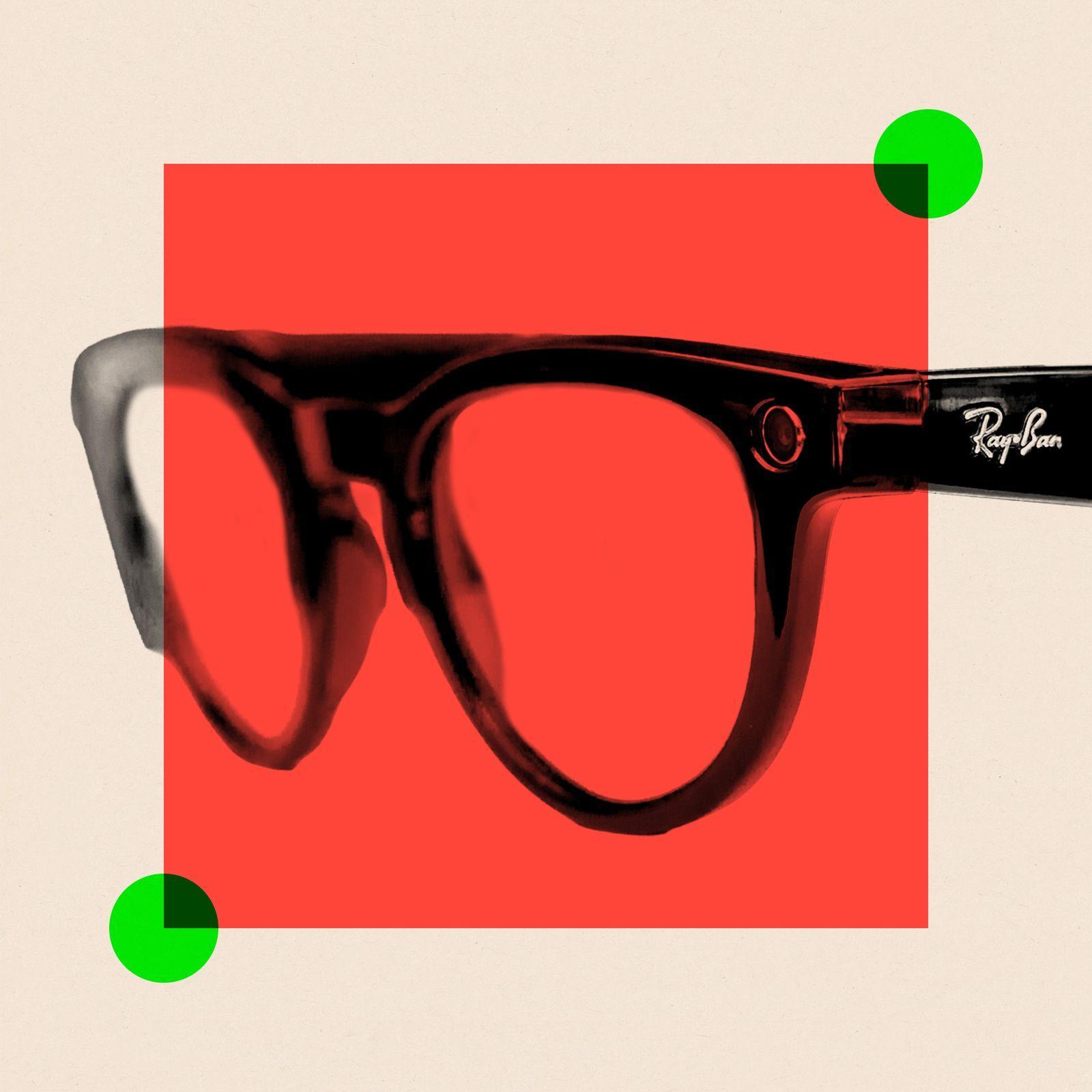
Meta is launching Ray-Ban Meta Audio, a version of its smart glasses without a camera, as controversy continues over camera-enabled glasses being used to record people without consent. The devices have been banned in a range of UK venues and criticised as “pervert” or “creepy” glasses. Meta says the audio-only model has been in development for two years, rather than being a hurried response to public criticism. It is cheaper, lighter and offers longer battery life than the camera version.
The BBC’s Zoe Kleinman tests camera-equipped Ray-Bans and finds that, although she felt some initial apprehension about wearing them, most people did not react. She found the audio features useful for listening to music and receiving spoken map directions, and describes possible uses for tradespeople, content creators and blind people. However, location-based features require sharing data with Meta, a company she notes is known for collecting personal information. The camera itself was not among the features she found useful.
Privacy concerns remain substantial. The glasses’ recording indicator can be disabled using technical modifications, prompting calls for regulation. Campaigner Liz Hunter argues that they should be restricted to uses such as supporting blind people, while other responses range from a Bluetooth-detection app to bans by venues and institutions. Despite the backlash, other technology firms—including Samsung, Google and Snap—are pursuing smart-glasses products, and industry figures predict glasses could eventually replace phones.
The camera-free release raises the question of whether Meta is changing its broader vision or offering a side product for people who want audio functions without recording capabilities. Researcher Janusz Swierczynski views the move as a positive indication that Meta may be responding to privacy concerns, though the excerpt ends before his point is completed.
Entities: Meta, Ray-Ban Meta Audio, Ray-Ban, Zoe Kleinman, Ankit Brahmbhatt • Tone: analytical • Sentiment: neutral • Intent: analyze
24-09-2026
At Meta Connect, CEO Mark Zuckerberg introduced two products that reflect Meta’s parallel focus on virtual reality and AI agents: the Meta VR Glasses and Muse Charm, a handheld accessory designed to work with the company’s recently released Muse AI personal agent. Zuckerberg said Muse Charm will let users speak to their Meta AI agents without unlocking a phone or opening an app. He offered few details about its capabilities or price, saying Meta is still finalizing the device’s components and plans to ship it in time for the December holidays.
The Meta VR Glasses are a slimmer, lighter alternative to Meta’s older Quest-branded VR headsets. They are scheduled to go on sale in spring 2027 for $1,299, making them considerably more expensive than the $299 Quest 3S, which Meta introduced in 2024. The new glasses are Meta’s first VR device since that launch.
An external puck containing a Qualcomm processor and battery powers the glasses. The puck functions as a mini-computer and helps reduce the size and weight of the eyewear. Meta says the device offers higher-resolution visuals than older Quest headsets and uses eye- and hand-tracking sensors, reducing the need for controllers. Zuckerberg described the product as bringing immersive VR, high-resolution displays, and views of the surrounding world into a glasses-style form factor. The article presents the announcements as part of Meta’s continuing metaverse investment alongside its push into AI, while noting that details about Muse Charm remain limited.
Entities: Mark Zuckerberg, Meta, Meta Connect, Meta VR Glasses, Muse Charm • Tone: neutral • Sentiment: neutral • Intent: inform
24-09-2026
Meta is broadening its smart-glasses range with its first camera-free Ray-Ban model, a new generation of camera-equipped Ray-Bans, and updated lower-priced Meta-branded frames. Announced at the company’s Connect conference in California, the Ray-Ban Meta Audio starts at US$349 and is due to ship Oct 3. Meta says removing the cameras makes the glasses lighter and less expensive, while extending battery life to as much as 12 hours. The launch also addresses persistent privacy concerns about smart glasses’ ability to record people without their knowledge. Meta chief technology officer Andrew Bosworth said the audio-only model had been in development for about two years, and acknowledged that privacy concerns must be taken seriously even as the company reports positive customer adoption and engagement.
The third-generation camera-equipped Ray-Bans start at US$449. They have slimmer frames than the previous generation, a programmable action button, improved microphones and adjustable temple tips. Meta cited inflation and component shortages as the main reasons for the higher price. The company also announced new styles and prices for its display-equipped and self-branded glasses, including plans to bring some models to markets such as Singapore and South Korea.
Software updates include Dynamic Photos, horizontal photo and video capture, and planned Dolby Atmos spatial-audio recording. Meta is also working to process more data on the glasses rather than in the cloud. A hearing-aid feature cleared by the US Food and Drug Administration will cost US$150 to activate or be included in a Meta One subscription when it launches later in 2026. Display-glasses updates include an Explore app, directions for cycling and public transit, photo editing, expanded phone notifications and calendar management.
Meta describes its display glasses as a step toward full augmented-reality glasses, which would overlay digital content on the real world. Bosworth said a 2027 release remains possible but would not commit to that date, saying the device must reach an appropriate level of maturity. He said Meta continues to work on full AR glasses, though their eventual launch timing is uncertain.
Entities: Meta Platforms, Andrew Bosworth, Ray-Ban Meta Audio, Ray-Ban Meta glasses, Muse assistant • Tone: analytical • Sentiment: neutral • Intent: inform
24-09-2026
Meta CEO Mark Zuckerberg unveiled Meta Charm, a small handheld device designed to make the company’s Muse AI assistant available on the go. About the size of an AirPods case, Charm has a roughly 5cm touchscreen and built-in 5G. Meta said it expects to ship the device in December 2026 but did not announce a price. The launch reflects a broader technology-industry effort to find hardware that could eventually complement or replace smartphones, though it remains uncertain which AI-focused devices consumers will adopt widely.
At its Meta Connect event, the company also introduced Meta VR Glasses, priced at US$1,299 and scheduled for spring 2027. The glasses use eye, voice and hand controls, while placing their battery and processor in a separate puck to reduce their weight. An analyst said the lighter design could improve usability but questioned whether familiar VR use cases and the high price would appeal to mainstream buyers.
Meta expanded its Muse assistant across its smart-glasses range, adding computer-use features and integrations with retailers and services including Walmart, Best Buy and Gap. Users will be able to shop, book appointments and perform other tasks through voice commands.
The company also announced Ray-Ban Meta Audio, camera-free smart glasses that will cost from US$349 and ship from Oct 13. Meta says they provide high-quality sound, weigh about as much as a golf ball and last up to 12 hours per charge. However, they can still record audio and do not provide a clear signal to bystanders when recording, prompting concerns about consent. Experts warn that removing cameras may not resolve privacy concerns, while also potentially reducing the appeal of glasses that many people use to take photos and videos. Meta argues that audio is a popular feature and that there is demand for glasses without cameras.
Entities: Meta, Mark Zuckerberg, Meta Charm, Muse AI assistant, Meta Connect • Tone: analytical • Sentiment: neutral • Intent: inform