23-10-2026
US President Donald Trump said Elon Musk had restored Ukraine’s access to Starlink, the satellite internet service relied on by Ukrainian forces for communications and air defence. Trump’s comments followed a Wall Street Journal report that he had called Musk and asked him to end restrictions on Ukraine’s connection. While Trump would not confirm whether he made the call, he said the service had been put back. Ukrainian officials had reported on October 13 that sudden restrictions left the military scrambling, and connectivity was said to remain unreliable even after service returned.
Responsibility for the restrictions remains disputed. Trump denied ordering them and said he did not believe Musk was responsible. Secretary of State Marco Rubio said access and speed were governed by a private commercial contract and decisions by Musk. Musk, however, has argued that Starshield—the military-grade version of Starlink—is owned and controlled by the US government, and that the US military and president ultimately decide its limits.
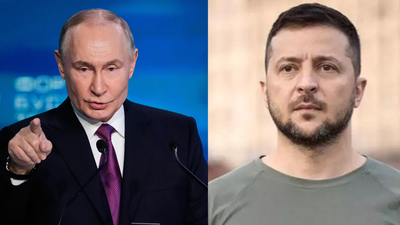
The restrictions have prompted concern that the Trump administration or its allies could use control of communications technology to pressure Ukraine. The article places the dispute within Trump’s tense relationship with Ukrainian President Volodymyr Zelenskyy and his comparatively favourable comments about Russian President Vladimir Putin. Trump has blamed Ukraine’s NATO ambitions for helping cause the war and accused Zelenskyy of preventing its end. Meanwhile, critics from both parties have faulted Trump for easing pressure on Russia, including measures affecting Russian energy. The report also links his policy challenges to high fuel prices following US involvement in a war with Iran, and notes his openness to a possible meeting with Putin and Chinese President Xi Jinping.
Entities: Donald Trump, Elon Musk, Volodymyr Zelenskyy, Vladimir Putin, Marco Rubio • Tone: analytical • Sentiment: neutral • Intent: inform
23-10-2026
The article examines Ukraine’s reliance on SpaceX’s Starlink and Starshield satellite networks for communications and drone operations during its war with Russia. Ukraine uses both services: Starlink supports civilian and military communications, while Starshield is a military-grade service licensed by the U.S. government and used by Ukraine and its partners. The networks operate through the same large satellite constellation, but Starshield has more advanced security features and can support faster-moving equipment.
Ukraine reported that Starshield terminals on drones began experiencing speed restrictions on October 13. The restrictions reportedly caused connection failures when drones exceeded certain speeds, making some missions difficult or impossible and weakening Ukraine’s ability to intercept Russian Shahed attack drones. Ukrainian officials and soldiers described conflicting conditions over the following days: some said restrictions had been lifted or eased, while others reported continuing disruptions. The article notes that the service’s degradation may have cost Ukraine tens of millions of dollars.
Responsibility and control are disputed. Ukrainian President Volodymyr Zelenskyy believes Elon Musk throttled the service at the request of U.S. officials. Musk has denied having a role and has said the U.S. government controls Starshield; President Donald Trump has also denied responsibility for the slowdown. CBS News, citing sources familiar with the situation, reported that Musk was behind the disruption after speaking with administration officials. Trump later said the service had been restored, although Ukrainian accounts described ongoing restrictions.
The article explains that no direct competitor currently matches Starlink’s coverage, leaving Ukraine without a working alternative at comparable scale. SpaceX contracts expanded Ukraine’s access to both networks, and Starshield also links battlefield sensors and weapons. The article closes by raising the question of whether Musk can stop Ukraine’s access, but the supplied text ends before the answer is complete.
Entities: Elon Musk, Volodymyr Zelenskyy, Donald Trump, Pete Hegseth, Marco Rubio • Tone: analytical • Sentiment: negative • Intent: inform
23-10-2026
The article describes growing alarm in Ukraine and Europe over President Donald Trump’s increasingly accommodating stance toward Vladimir Putin and Russia. It says Trump has pursued closer dealings with Moscow, including a diesel agreement and possible sanctions relief, while criticizing Ukrainian President Volodymyr Zelenskyy. European officials fear that Trump’s drive for a high-profile peace deal could pressure Kyiv into accepting terms that amount to capitulation. The Kremlin, meanwhile, has reportedly floated joint ventures and a trilateral summit involving Trump and China’s Xi Jinping, which could bolster Putin’s international standing.
European concerns are compounded by reported restrictions on Starlink, delays to US weapons deliveries and interruptions to intelligence-sharing. Ukraine depends heavily on US support, including Patriot interceptors and early warning of missile attacks. Kyiv has accused Washington of using these vulnerabilities to influence its negotiating position; the White House denies restricting support for political reasons. The article notes that an early-warning system was restored, but describes the risks of any interruption as potentially fatal.
The account also traces the dispute to a US-backed 28-point peace proposal from November 2025, reportedly drafted in Moscow, that called for Ukraine to surrender territory, limit its military and renounce NATO membership. European governments opposed the proposal, warning that it could leave Ukraine exposed to future Russian aggression. Trump has also pressed Kyiv to stop strikes on Russian oil refineries. Zelenskyy offered a 30-day pause in exchange for additional Patriot interceptors, but none were delivered, according to the article.
Some European officials believe political pressure surrounding US midterm elections may help explain Trump’s statements and urge allies to hold their nerve. Others doubt that the elections will change his foreign policy. Across Europe, the article says, the perceived risk of Washington abandoning or pressuring Ukraine has strengthened calls to continue supporting Kyiv.
Entities: Donald Trump, Vladimir Putin, Volodymyr Zelenskyy, Kaja Kallas, Steve Witkoff • Tone: analytical • Sentiment: negative • Intent: inform
23-10-2026
US President Donald Trump said Ukraine’s access to Starlink satellite internet had been restored after restrictions disrupted connectivity used by Kyiv’s military. He did not confirm reports that he had personally called SpaceX owner Elon Musk to request the change, saying only, “Bottom line, he put it back.” The Trump administration has denied ordering restrictions.
Ukrainian President Volodymyr Zelenskyy indicated the restoration was not yet complete: military connection speeds remained below normal, and he was waiting for information from US Secretary of State Marco Rubio. The Wall Street Journal reported that Trump was frustrated by speed limits and had contacted Musk. It said the restrictions reduced the effectiveness of Ukrainian drones and interceptors. The BBC said it had not independently confirmed the report.
Starlink is important to Ukraine’s military communications, operational coordination, warnings of Russian missile attacks, and drone operations. The dispute also concerns Starshield, a military-grade service provided through Starlink. Musk has said the US government ultimately controls access to Starshield, prompting questions about Washington’s possible role; the White House has denied directing the company to limit access.
The connectivity issue comes amid broader strains in US-Ukraine relations. Trump has criticized Ukrainian attacks on Russian oil refineries, while his administration has waived some sanctions on Russia and agreed to import Russian diesel, actions criticized by Ukraine and European allies. Ukraine had also reported an interruption in US intelligence sharing on October 14. The article presents the episode as an example of how access to satellite communications and intelligence can affect Ukraine’s military operations during its war with Russia.
Entities: Donald Trump, Elon Musk, Volodymyr Zelenskyy, Marco Rubio, SpaceX • Tone: analytical • Sentiment: neutral • Intent: inform
23-10-2026
Ukrainian President Volodymyr Zelenskyy warned that lifting sanctions on Russia would strengthen Vladimir Putin and weaken efforts to end the war, rejecting the idea that his disagreement with US President Donald Trump is personal. His comments came as Trump’s administration pursued negotiations with Moscow and considered easing some sanctions, while Russia continued attacks on Ukraine and maintained territorial demands. Zelenskyy said he doubted Putin genuinely wanted to stop the fighting, despite planned talks in November and Trump’s claim that a settlement was close.
The article describes differing approaches to sanctions and negotiations. Trump argued that new sanctions during delicate talks could jeopardize an agreement and pointed to the release of American prisoner Stephen Hubbard as evidence. Zelenskyy, meanwhile, said Ukraine might accept freezing the current front lines to enable a ceasefire and further talks, but would not surrender Ukrainian-held territory or recognize Russian-occupied areas as Russian. US Secretary of State Marco Rubio said negotiations were focused largely on the future of the Donbas region.
The report also details strains in US-Ukraine cooperation, including disruptions to intelligence sharing, weapons deliveries and access to SpaceX satellite services. Zelenskyy said intelligence sharing had resumed, but that access to Starshield was not fully restored; reports of improved service were not universal, and Ukraine still lacked sufficient interceptor missiles. Finland announced a €300 million support package for Ukraine, including cooperation related to satellite capabilities and assistance for logistics and energy infrastructure. Zelenskyy said Ukraine’s partners should maintain sanctions on Russia and provide better missiles and air-defence support.
Entities: Volodymyr Zelenskyy, Donald Trump, Vladimir Putin, Ukraine, Russia • Tone: analytical • Sentiment: negative • Intent: inform
23-10-2026
The Straits Times’ “While You Were Sleeping” roundup presents five international stories published on Oct 23, 2026. First, the Wall Street Journal reported that US President Donald Trump called SpaceX chief executive Elon Musk to ask him to lift restrictions on Ukraine’s use of Starlink. Trump later said access had been restored, while declining to confirm whether he had spoken with Musk; officials said the system was working more normally after the conversation. Second, Trump defended a campaign attack advertisement used by Republican Ohio gubernatorial candidate Vivek Ramaswamy against Democratic rival Amy Acton. The advertisement featured Acton’s estranged mother and drew criticism because the mother remained married to a man Acton says sexually abused her as a child. Third, Claude Monet’s painting “Iris” sold for €50 million, including buyer fees, at a Paris auction, setting a record as the most expensive artwork sold at auction in France. The work had remained in the Schlumberger family’s Paris mansion and was previously known only through a black-and-white photograph. Fourth, actor Tom Skerritt, known for films including “Alien,” “M*A*S*H” and “Top Gun,” died at 93 of natural causes, according to a report citing a family statement. His screen career spanned from the 1960s to the 2020s. Finally, sixteen French-speaking and Japanese authors boarded a luxury train in Kyoto to collaboratively write a novel in less than 24 hours. The project, organized by the French literary-exchange association Writing in Motion, aimed to produce a 200-page story by the train’s arrival in Matsue. The roundup is a concise survey of developments in politics, technology, art, entertainment and literature.
Entities: Donald Trump, Elon Musk, SpaceX, Starlink, Ukraine • Tone: neutral • Sentiment: neutral • Intent: inform