22-03-2026
Iran launched missile strikes on two southern Israeli towns, Arad and Dimona, near a nuclear research facility, injuring over 160 people. The strikes were reportedly in response to an attack on Iran's Natanz nuclear facility. Israeli authorities are investigating how the Iranian missiles bypassed Israel's air defenses. The incident has heightened tensions between Israel and Iran, with both countries having a vested interest in preventing the other from developing nuclear capabilities.
Entities: Iran, Israel, Arad, Dimona, International Atomic Energy Agency (IAEA) • Tone: neutral • Sentiment: negative • Intent: inform
22-03-2026
Two Iranian strikes on the towns of Dimona and Arad near Israel's main nuclear research center injured over 100 people. The strikes came after Iran's Natanz nuclear enrichment facility was hit in an airstrike, for which Israel denied responsibility. Israeli Prime Minister Benjamin Netanyahu vowed to continue Israel's war efforts, while Iran's Parliament Speaker Mohammad Bagher Ghalibaf saw the strikes as a sign of entering a new phase of the battle. The International Atomic Energy Agency reported no damage to the Israeli nuclear center or abnormal radiation levels.
Entities: Iran, Israel, Dimona, Arad, Negev desert • Tone: neutral • Sentiment: negative • Intent: inform
22-03-2026
The article discusses Israel's strategy of targeting and killing senior Iranian officials during the ongoing conflict between the two countries. Israeli military operations are intelligence-driven, using a combination of human informants, electronic tracking, and surveillance to gather information on targets. Analysts say Israel is carrying out most of the targeted strikes unilaterally due to its superior intelligence capabilities. The goal is to disrupt Iranian leadership and potentially create an opportunity for a more diplomatic approach. However, some experts warn that killing senior leaders could lead to more extreme tactics by their replacements.
Entities: Israel, Iran, United States, Glen Segell, Ayatollah Ali Khamenei • Tone: analytical • Sentiment: neutral • Intent: inform
22-03-2026
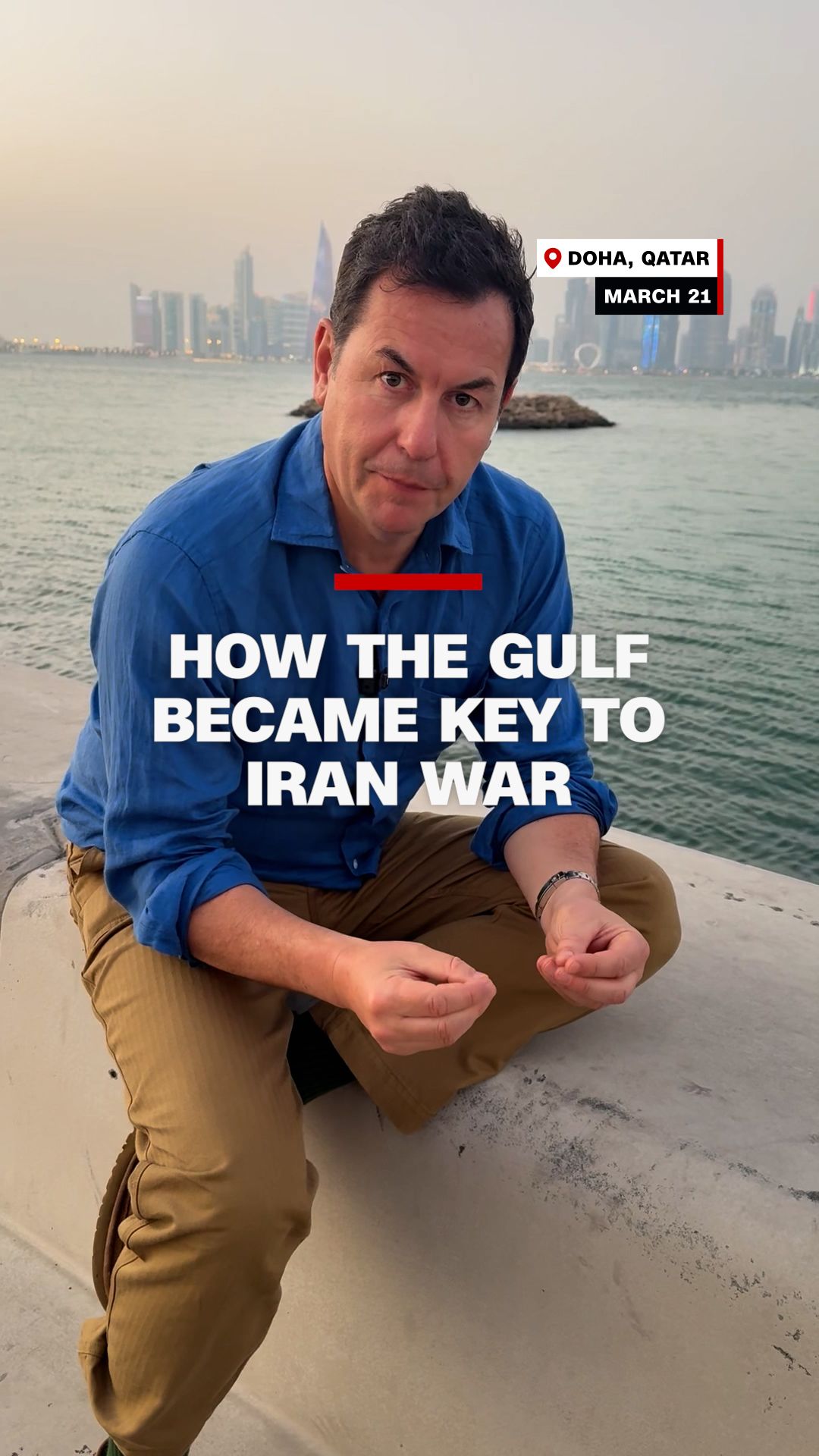
The article discusses the ongoing conflict between Iran and various Gulf countries, with a focus on the potential for escalation and the impact on regional alliances. Gulf officials say Iran's attacks are pushing Arab states closer to the US, and some Gulf states may join a coalition to protect shipping through the Strait of Hormuz. The article also touches on the human cost of the conflict, including the impact on civilians in Lebanon and Israel. Additionally, it highlights the uncertainty surrounding Iran's new Supreme Leader, Mojtaba Khamenei, and the potential implications for the war.
Entities: Gulf countries, Iran, US, Strait of Hormuz, Arab states • Tone: neutral • Sentiment: negative • Intent: inform
22-03-2026
The CNN article 'Inside a Hezbollah tomb' explores a shrine in Beirut dedicated to Hezbollah fighters and civilians who died in the 2024 conflict with Israel. The article includes a video showing families visiting the tomb to mourn their dead and highlights the ongoing conflict between Israel and Hezbollah. The article also touches on related news stories, including Iran's involvement in the conflict, the impact on civilians, particularly children, in Lebanon, and the challenges faced by athletes during the Islamic holy month of Ramadan amidst the war.
Entities: Hezbollah, Beirut, Israel, Ali Khamenei, Iran • Tone: neutral • Sentiment: negative • Intent: inform
22-03-2026
US President Donald Trump has threatened to 'obliterate' Iran's power plants if it doesn't reopen the Strait of Hormuz within 48 hours. Iran has retaliated by stating it will strike US infrastructure in the region if its power plants are attacked. The situation has led to increased tensions in the Middle East, with Saudi Arabia ordering Iran's military attaché to leave the country and Israel dealing with munitions impacts in Tel Aviv. Japan is considering deploying its military for minesweeping in the Strait of Hormuz if a ceasefire is reached. The conflict has also led to a spike in fuel prices and broader inflationary pressure.
Entities: Donald Trump, Iran, Strait of Hormuz, United States, Saudi Arabia • Tone: urgent • Sentiment: negative • Intent: inform
22-03-2026
The US is deploying thousands more troops to the Middle East as the war with Iran enters its fourth week. The move comes as Iranian missile strikes hit southern Israel, and the Persian Gulf becomes a key battleground. The conflict has also affected Lebanon, with over 110 children killed in recent Israeli bombing campaigns. Iran's new Supreme Leader, Mojtaba Khamenei, has sent a message but without proof of life, potentially prolonging the war.
Entities: US, Iran, Middle East, Israel, Persian Gulf • Tone: neutral • Sentiment: negative • Intent: inform
22-03-2026
The article reports on the 23rd day of the conflict between the US, Israel, and Iran. The US and Israel have threatened to escalate their military actions against Iran, with the US President threatening to 'hit and obliterate' Iran's power plants if the Strait of Hormuz is not reopened within 48 hours. Iran has been blocking the critical waterway, affecting global energy resources. Israel has launched waves of strikes on Iran and Hezbollah in Lebanon, resulting in significant casualties and displacement. The international community is rallying to ensure safe navigation of the Strait of Hormuz, with 22 countries expressing their willingness to contribute to the efforts.
Entities: US, Israel, Iran, Donald Trump, Strait of Hormuz • Tone: urgent • Sentiment: negative • Intent: inform
22-03-2026
The article reports on escalating tensions between the US, Israel, and Iran, with President Donald Trump threatening to 'obliterate' Iranian power plants if the Strait of Hormuz is not fully opened within 48 hours. The situation is unfolding amid ongoing conflict, with recent missile strikes and airstrikes causing casualties and damage in Israel and Lebanon. Iran has expressed readiness to cooperate on Gulf maritime safety but blames Israeli and US aggression for the current situation.
Entities: Donald Trump, Iran, Israel, Strait of Hormuz, Hezbollah • Tone: urgent • Sentiment: negative • Intent: inform
22-03-2026
US President Trump has made statements suggesting he may be winding down the conflict with Iran, but his history of mixed messaging and contradictions makes it uncertain. Trump listed accomplishments in the war, including degrading Iran's military capabilities and protecting Middle Eastern allies. However, concerns remain about Iran's nuclear material and potential retaliation. Trump's comments may be an attempt to shift the narrative and avoid taking responsibility for the global economic consequences of the war.
Entities: Donald Trump, Iran, United States, Israel, Saudi Arabia • Tone: analytical • Sentiment: neutral • Intent: inform
22-03-2026
The article discusses the escalating conflict between Iran and other countries, including Israel and Saudi Arabia, and the potential economic consequences of a prolonged war. In the last 24 hours, Iran has launched missile attacks on energy targets in Saudi Arabia, Qatar, Kuwait, and Israel, causing significant damage and disruption to global energy supplies. The article highlights the concerns of economists and analysts, who warn that a prolonged conflict could have calamitous effects on the global economy, including soaring prices for oil, gas, and other commodities. The US President, Donald Trump, is considering sending troops to secure the Strait of Hormuz, which could further escalate the conflict. An interview with an Iranian diplomat, Esmail Baghaei, suggests that Iran will not show restraint in the face of continued aggression.
Entities: Iran, Israel, Saudi Arabia, Qatar, Kuwait • Tone: urgent • Sentiment: negative • Intent: inform
22-03-2026
US President Trump issued a 48-hour ultimatum to Iran to reopen the Strait of Hormuz, warning of US strikes that would 'obliterate' its energy infrastructure if it fails to comply. Iran has effectively closed the waterway since the joint US-Israeli attack on Feb. 28, causing global fuel prices to soar. Tehran vowed to respond strongly to any attack, targeting US and Israeli energy infrastructure. Trump raged against the New York Times for reporting that the conflict was not progressing as scheduled, claiming the US has 'blown Iran off the map.'
Entities: Donald Trump, Iran, Strait of Hormuz, United States, Israel • Tone: negative • Sentiment: negative • Intent: inform
22-03-2026
India is facing a dilemma in navigating the fallout from the Iran war while maintaining its neutrality in the conflict. The country has significant stakes in the Middle East, including a large diaspora, trade, and investment relationships. Indian leaders have been engaging with various nations, including the US, Iran, and Gulf states, to manage risks and interests. Analysts say India needs to keep communication channels open with all sides to avoid being caught in the crossfire.
Entities: India, Iran, US, Middle East, S. Jaishankar • Tone: analytical • Sentiment: neutral • Intent: inform
22-03-2026
The Middle East war, sparked by US-Israeli bombardment of Iran on February 28, has entered its fourth week with no clear end in sight. The conflict has expanded geographically, with Iranian attacks on energy infrastructure in the Gulf and Israeli strikes reaching the Caspian Sea. The war has sent crude oil prices soaring, with a barrel of North Sea Brent Crude up more than 50% over the past month. A diplomatic solution seems unlikely, with the US and Israel pursuing their campaign to take out Iranian leadership, including killing supreme leader Ayatollah Ali Khamenei and national security chief Ali Larijani. Iran has vowed to retaliate after an Israeli strike damaged its South Pars gas field. The conflict may widen if Iran-backed Houthi rebels join in, and the US is considering deploying Marines to secure the Strait of Hormuz.
Entities: Middle East, Iran, Israel, United States, Gulf • Tone: neutral • Sentiment: negative • Intent: inform