21-05-2026
BBC Russia editor Steve Rosenberg examines Vladimir Putin’s visit to Beijing and the public display of warmth between Putin and Xi Jinping, while arguing that the summit revealed the practical limits of the Russia-China partnership. The article opens with the highly choreographed symbolism of the meeting: a red carpet, a Chinese military band playing a Russian song, and the leaders addressing each other as “my dear friend” and “my old friend.” Both sides used the meeting to project unity against the United States and to emphasize strategic cooperation, mutual respect, friendship, and trust. However, Rosenberg stresses that geopolitics is governed by self-interest, not romance, and that the relationship is more complicated than the theatrical display suggests.
The clearest sign of those limits came in energy talks, especially Russia’s hopes for progress on the Power of Siberia 2 gas pipeline. Moscow wants the pipeline to help offset the loss of European energy markets, but Beijing is reportedly in no hurry to finalize the deal, likely because of pricing disputes and a desire to avoid excessive dependence on Russian fossil fuels. The Kremlin said only that the two sides had reached a “general understanding” on the project’s parameters, short of a final agreement. Rosenberg concludes that while Russian officials may be disappointed, they are not surprised: Russia and China’s interests do not fully align, even if both governments publicly present a united front. The article also briefly contrasts the current Beijing summit with earlier Russian hopes for a similar thaw with the United States, noting that the so-called “spirit of Anchorage” has faded and the war in Ukraine remains unresolved.
Entities: Vladimir Putin, Xi Jinping, Beijing, Moscow, Great Hall of the People • Tone: analytical • Sentiment: neutral • Intent: analyze
21-05-2026
Chinese President Xi Jinping and Russian President Vladimir Putin met in Beijing shortly after President Trump’s visit, using the summit to publicly reaffirm the strength of China-Russia ties and present a unified front against what Xi called “unilateral and hegemonic countercurrents” in the global system. The meeting highlighted the countries’ growing strategic alignment amid tensions with the United States, the war in Ukraine, and the conflict involving Iran and the Middle East. Xi and Putin signed several agreements covering trade, media, and energy, and both leaders emphasized the durability of their relationship, with Putin calling ties “unprecedentedly high” and Xi describing them as “unyielding.”
The article also notes that China and Russia issued statements supporting dialogue and negotiations over the Iran conflict and calling for an immediate ceasefire, reflecting Beijing’s concern about Middle East instability and energy security. However, despite Moscow’s push for the long-delayed Power of Siberia 2 gas pipeline, the Kremlin said no breakthrough was reached. The piece underscores that China remains Russia’s most important economic partner, buying large volumes of Russian fossil fuels while maintaining leverage in negotiations. On Ukraine, Xi and Putin reiterated the need to address the conflict’s “root causes,” while China continued to avoid condemning Russia’s invasion and instead framed itself as a constructive diplomatic actor.
Entities: Xi Jinping, Vladimir Putin, Donald Trump, Beijing, China • Tone: analytical • Sentiment: neutral • Intent: inform
21-05-2026
Russian President Vladimir Putin’s visit to Beijing produced a large set of bilateral agreements and strong public declarations of friendship with Chinese President Xi Jinping, but it failed to deliver the breakthrough Moscow wanted on the long-delayed Power of Siberia 2 gas pipeline. The article argues that this outcome highlights the increasingly asymmetric nature of the China-Russia relationship: Russia needs China more than China needs Russia, especially as Moscow seeks to redirect gas exports away from Europe after sanctions and reduced European demand following the invasion of Ukraine. While Russian officials said some key parameters of the pipeline had been understood, major issues such as pricing, financing, and delivery timing remain unresolved. At the same time, Beijing and Moscow announced more than 40 deals spanning trade, education, technology, nuclear security, and military cooperation, and reiterated political alignment on Taiwan, Ukraine, and opposition to “external destructive interference.” The article also emphasizes the diplomatic theater of Putin’s visit, which closely followed U.S. President Donald Trump’s visit to China, suggesting Xi is carefully positioning China as a central and indispensable global power while balancing relationships with both Washington and Moscow. Overall, the piece frames the summit as symbolically successful but substantively uneven, with Beijing holding the stronger hand.
Entities: Vladimir Putin, Xi Jinping, Donald Trump, Beijing, China • Tone: analytical • Sentiment: neutral • Intent: analyze
21-05-2026
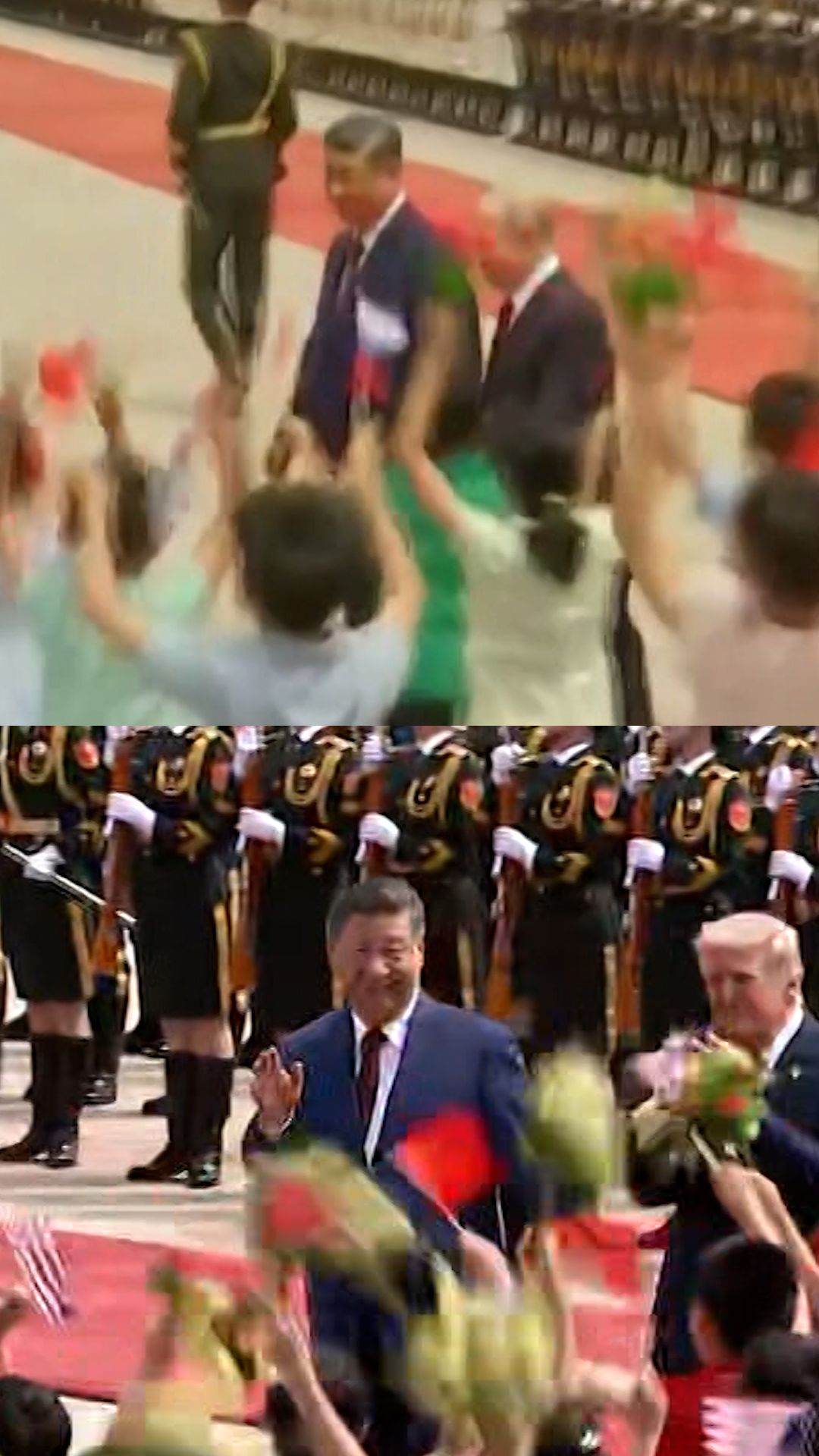
The article is a short CNN video package asking which visiting world leader receives a warmer reception from Chinese leader Xi Jinping: President Donald Trump or Russian President Vladimir Putin. It notes that Xi rolled out the red carpet for Putin in Beijing just five days after Trump left the Chinese capital, and says CNN’s Steven Jiang examines whether China gives different treatment to major foreign leaders. The piece is framed as a comparison of diplomatic optics, symbolism, and protocol rather than a substantive policy report. The surrounding page also includes links to other CNN videos on unrelated topics, but the core item focuses on Xi’s visible hospitality toward Putin and the implied contrast with Trump’s visit. The article’s central question is not answered directly in the text provided; instead, it sets up a visual and political comparison meant to highlight China’s selective treatment of visiting heads of state and the broader geopolitical relationship among China, the United States, and Russia.
Entities: Xi Jinping, Donald Trump, Vladimir Putin, Beijing, China • Tone: analytical • Sentiment: neutral • Intent: analyze