20-05-2026
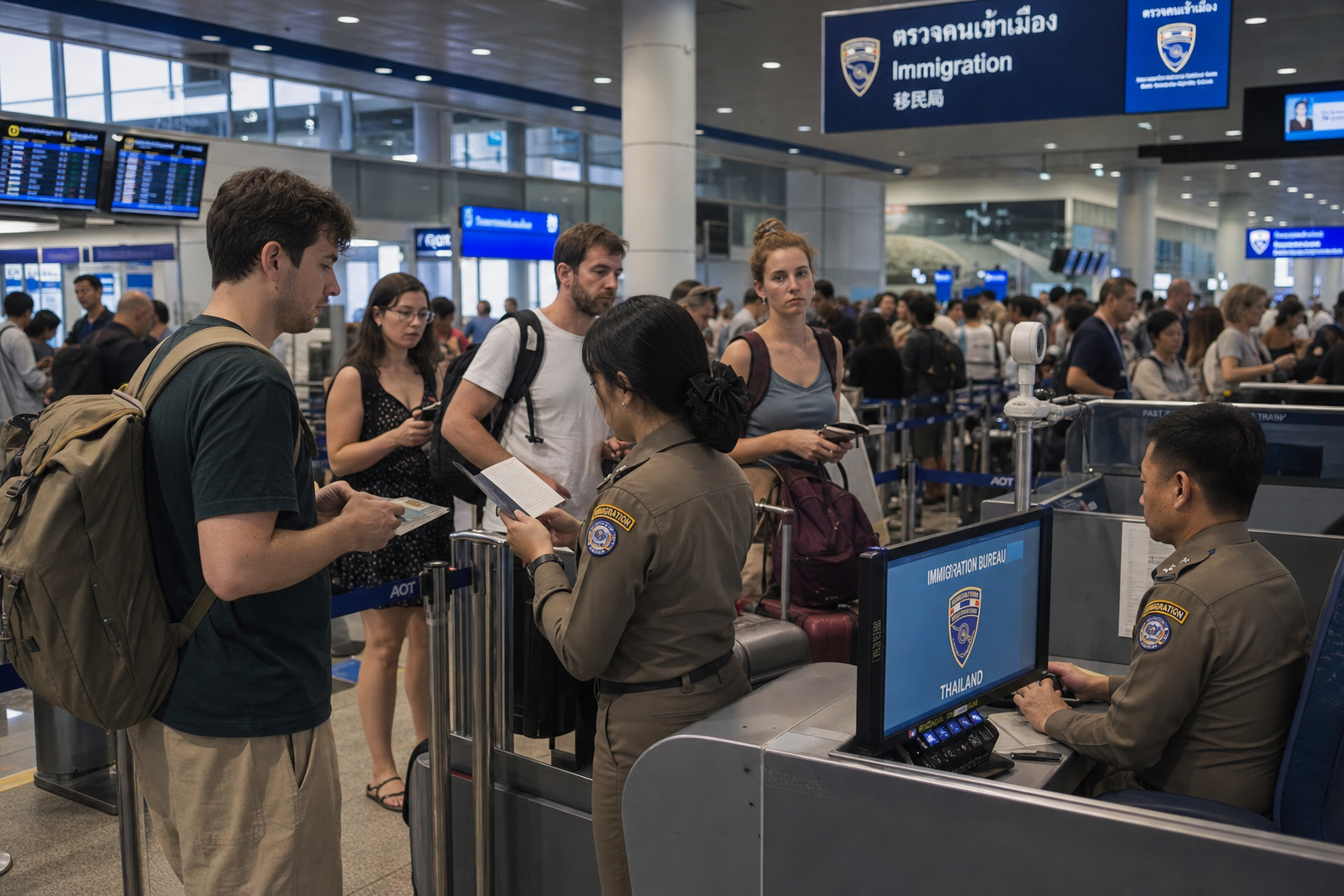
Thailand is ending a long-standing visa-free travel policy that allowed visitors from 93 countries, including the UK, to stay for 60 days without a visa. Under new rules approved by the government, travelers from many of these countries will generally need to apply for a visa if they want to remain in the country for more than 30 days, although the exact stay period will vary by nationality because of bilateral agreements. The change will take effect 15 days after publication in the Royal Gazette.
The government said the policy is being revised because it is no longer well suited to current economic and national security conditions. Officials also argued that the previous system had become confusing, with multiple overlapping visa exemptions creating uncertainty for foreigners. Thailand had introduced the 60-day exemption in July 2024 as part of efforts to support tourism and economic recovery after the Covid-19 pandemic.
The article notes that Thailand’s tourism sector remains a major part of the economy, with nearly 40 million visitors in 2019 before pandemic-related declines. Arrivals have recovered in recent years, and nearly 12 million tourists had visited so far this year. However, the government has also faced concerns over foreign crime and illegal activity, including drug-related cases, sex trafficking investigations, and arrests linked to unlicensed work and drug smuggling. The policy shift reflects an attempt to balance tourism promotion with tighter control and security oversight.
Entities: Thailand, United Kingdom, UK citizens, Anutin Charnvirakul, Thai foreign ministry • Tone: analytical • Sentiment: neutral • Intent: inform
20-05-2026
Thailand is scaling back one of its most generous visa-free entry policies, reducing the permitted stay for travelers from 93 countries and territories from 60 days to 30 days. The change affects visitors from major source markets such as the US, the UK, and Australia, and represents a reversal of the country’s post-pandemic effort to boost tourism by loosening entry rules. Officials say the policy shift is driven by concerns that the longer visa-free period has been abused by foreigners who overstay, work illegally, or engage in criminal activity. The Thai Foreign Ministry also cited national security concerns.
The article places the decision in the broader context of Thailand’s tourism economy and changing visitor patterns. Thailand remains a major global destination, drawing nearly 33 million foreign visitors in 2025, but authorities have become increasingly alarmed by reports of bad behavior, including temple vandalism and drunken street fights, some of which have spread widely on social media. The story also notes arrests involving foreign nationals in drug and human trafficking cases.
The report connects this policy rollback to other recent Thai regulatory reversals, such as the government’s tightening of cannabis laws after initially decriminalizing cannabis in 2022. Overall, the article frames the visa change as part of a wider effort by Thai authorities to balance tourism growth with law enforcement, public order, and national security.
Entities: Thailand, Thai Foreign Ministry, United States, United Kingdom, Australia • Tone: analytical • Sentiment: neutral • Intent: inform
20-05-2026
Thailand has announced a major tightening of its visa-free entry rules for tourists from more than 90 countries, ending the 60-day visa exemption introduced in 2024 and replacing it with a 30-day stay for most eligible visitors. The government says the change is aimed at reducing crime and misuse of the visa system by foreign nationals, including shoplifting, indecent exposure, illegal business operations, overstays, and alleged abuse by transnational criminal groups. Officials stressed that the policy is not targeted at any particular country, but at people exploiting immigration rules.
The move marks a reversal of Thailand’s post-pandemic effort to revive its tourism sector by making travel easier. Tourism remains vital to the economy, accounting for an estimated 10% to 20% of GDP, but arrivals have not recovered to pre-Covid levels. The country has also faced economic pressure from higher airfares and fuel costs linked to regional conflict. According to cited figures, foreign arrivals fell 3.45% year-on-year in the first four months of 2026, with UK arrivals down 22.8%, and authorities have already lowered their annual tourism target from 35 million to 32 million visitors. The new rules will still allow some tourists to renew visas once at an immigration office, though the process will require officer approval and explanation for the longer stay.
Entities: Thailand, Rachada Dhanadirek, Sihasak Phuangketkeow, Mungkorn Pratoomkaew, UK • Tone: analytical • Sentiment: negative • Intent: inform