20-03-2026
The article discusses how the ongoing conflict with Iran and rising prices are potentially boosting the Democrats' chances in the midterm elections. The conflict has caused anxiety among voters, particularly in districts with a strong military presence. Democratic candidates, such as Matt Cavanaugh, are using this anxiety to their advantage by criticizing the administration's handling of the conflict and calling for a clearer sense of purpose. The article suggests that the conflict and its economic consequences may ultimately harm Donald Trump's presidency and that the Democrats are sharpening their response to capitalize on this situation.
Entities: Matt Cavanaugh, Colorado, Iraq, Iran, Donald Trump • Tone: analytical • Sentiment: neutral • Intent: inform
20-03-2026
The 'Checks and Balance' newsletter discusses why the Iran war is not being widely discussed in America. The US editor, John Prideaux, notes that the nation is adopting a 'wait and see' approach. The conflict raises questions about the country's counterterrorism capabilities and is impacting Donald Trump's presidency due to its unpopularity and rising fuel costs. Conversely, it is boosting Democrats' hopes for the midterms as they sharpen their response to the conflict.
Entities: John Prideaux, United States, Iran, Donald Trump, The Economist • Tone: analytical • Sentiment: neutral • Intent: inform
20-03-2026
The article questions whether Donald Trump is concerned about the upcoming midterms, suggesting he is more focused on dominating the Republican Party and his historical legacy. It highlights Vice-President J.D. Vance's statement at the Turning Point USA conference, where he emphasized the importance of maintaining a broad coalition for Trump rather than engaging in internal conflicts. The piece implies that Trump's priorities may not align with the broader interests of the Republican Party or the country, particularly in light of other pressing issues such as the Iran war and its impact on the presidency and midterm elections.
Entities: Donald Trump, J.D. Vance, Republican Party, Turning Point USA, United States • Tone: analytical • Sentiment: neutral • Intent: inform
20-03-2026
The article discusses how the ongoing Iran war is negatively impacting Donald Trump's presidency. The conflict, coupled with rising fuel costs, is causing concern among Republicans and boosting Democrats' hopes for the midterms. The White House is attempting to downplay the situation, but signs of panic are evident. The article suggests that Trump's focus on dominating his party and his place in history is taking precedence over the current conflict and its domestic implications.
Entities: Donald Trump, Iran, United States, White House, Republicans • Tone: analytical • Sentiment: negative • Intent: inform
20-03-2026
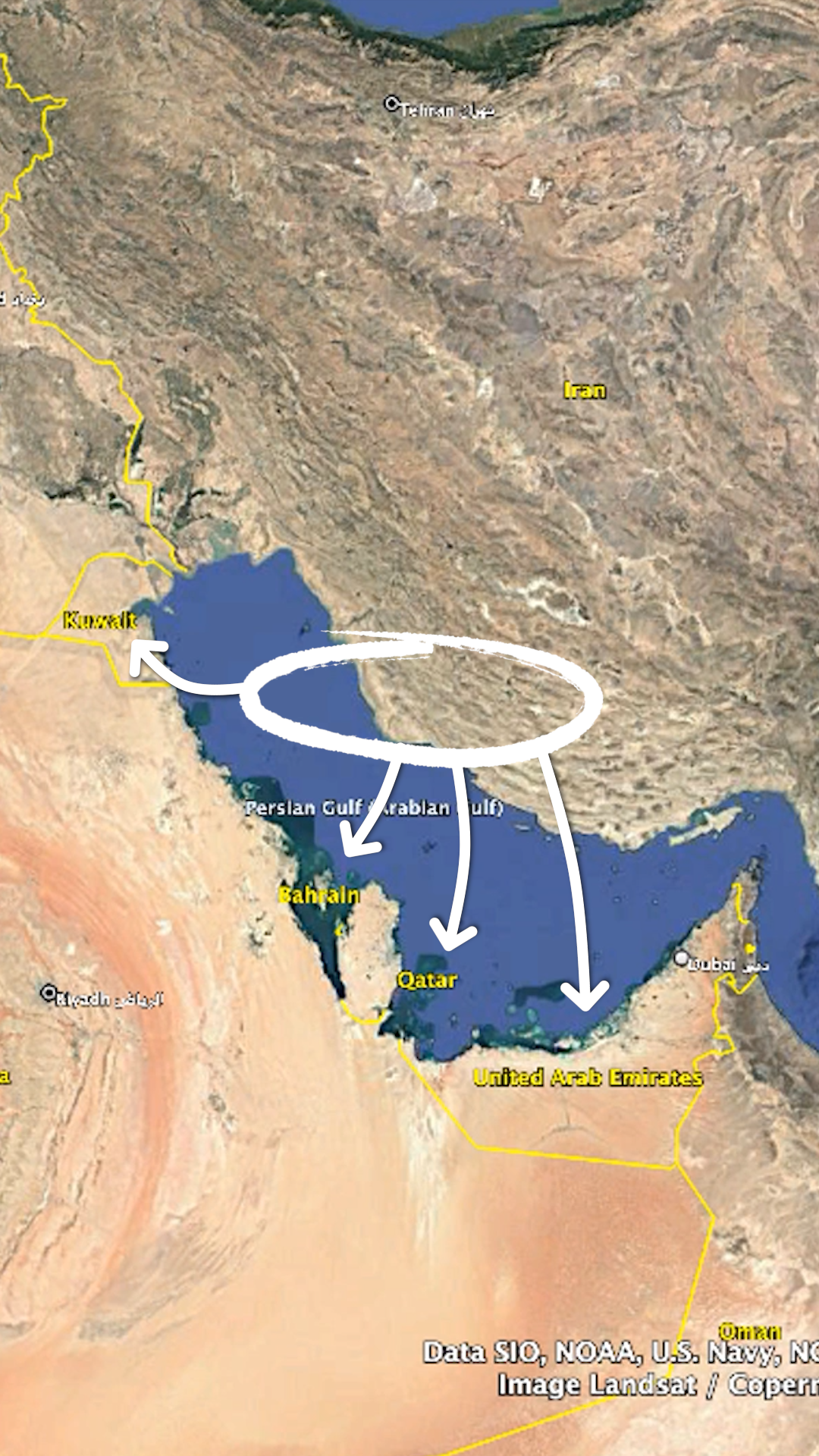
The article discusses the potential economic consequences of the Iran war, stating that the damage will be severe but uneven. The conflict has caused a significant energy supply shock, reminiscent of past oil shocks that were thought to be a relic of the past. The article highlights the potential for the war to intensify and the difficulties in bringing it to an end, as well as the impact on various countries and regions, including the US, China, and Bahrain.
Entities: Iran, Strait of Hormuz, Gulf, Middle East, America • Tone: analytical • Sentiment: negative • Intent: inform
20-03-2026
The article discusses the potential long-term impact of the Iran war on American military power. Vice-President J.D. Vance's warning about the scarcity of munitions has come true as the war launched by Donald Trump is putting pressure on the US armed forces. The conflict is exhausting the US Navy and depleting munitions, leaving the military less prepared for a potential conflict in Asia. The article highlights the far-reaching consequences of the war, including its impact on the world economy, regional stability, and the predictability of Iran's regime.
Entities: J.D. Vance, Donald Trump, Iran, United States, America • Tone: analytical • Sentiment: negative • Intent: inform
20-03-2026
The article discusses how Donald Trump's war with Iran is potentially weakening his presidency and making him more dangerous. It argues that even a short war will alter the course of his second term, and a prolonged conflict could bring it to an end. Trump's reckless campaign against Iran may diminish his political superpowers, making him more prone to impulsive decisions. The article highlights the potential consequences of a prolonged conflict, including a humanitarian crisis and the impact on Trump's re-election prospects.
Entities: Donald Trump, Iran, United States, The Capitol, The Economist • Tone: analytical • Sentiment: negative • Intent: critique
20-03-2026
The article discusses a Pentagon press briefing where Secretary of Defense Pete Hegseth did not deny a Washington Post report that the Pentagon requested over $200 billion in funding for the war with Iran. The article also covers various other news stories related to the Iran war, including Israeli Prime Minister Benjamin Netanyahu's press conference, President Donald Trump's comments and actions, and testimony from top Trump administration officials before the Senate Intelligence Committee.
Entities: Pete Hegseth, Pentagon, White House, Congress, Iran • Tone: neutral • Sentiment: negative • Intent: inform
20-03-2026
Former US National Counterterrorism Center Director Joe Kent stated in an interview with Tucker Carlson that there was 'no intelligence' to suggest Iran was planning a 'sneak attack' before the US went to war with Iran. Kent's comments came after he resigned from his post, citing concerns about the war. The article also touches on various other topics related to the war with Iran, including its impact on the region, rising fuel costs, and reactions from leaders such as Illinois Governor JB Pritzker and Israeli Prime Minister Benjamin Netanyahu.
Entities: Joe Kent, Tucker Carlson, Iran, US National Counterterrorism Center, JB Pritzker • Tone: neutral • Sentiment: negative • Intent: inform