20-03-2026
The article discusses how the Iran war has caused shipping disruptions through the Strait of Hormuz, leading to a gas shortage in India. This shortage may push India back to using polluting fuels like coal, kerosene, and biomass. The Indian government has taken measures to mitigate the shortage, including approving extra kerosene for low-income households and allowing restaurants and hotels to temporarily switch to biomass. Experts warn that a return to polluting fuels will worsen indoor air pollution and reinforce India's dependence on coal. Alternative solutions like electric cooking, solar cooking systems, and biogas are suggested, but their adoption is expected to take time.
Entities: India, Iran, Strait of Hormuz, Gujarat, S Jaishankar • Tone: neutral • Sentiment: negative • Intent: inform
20-03-2026
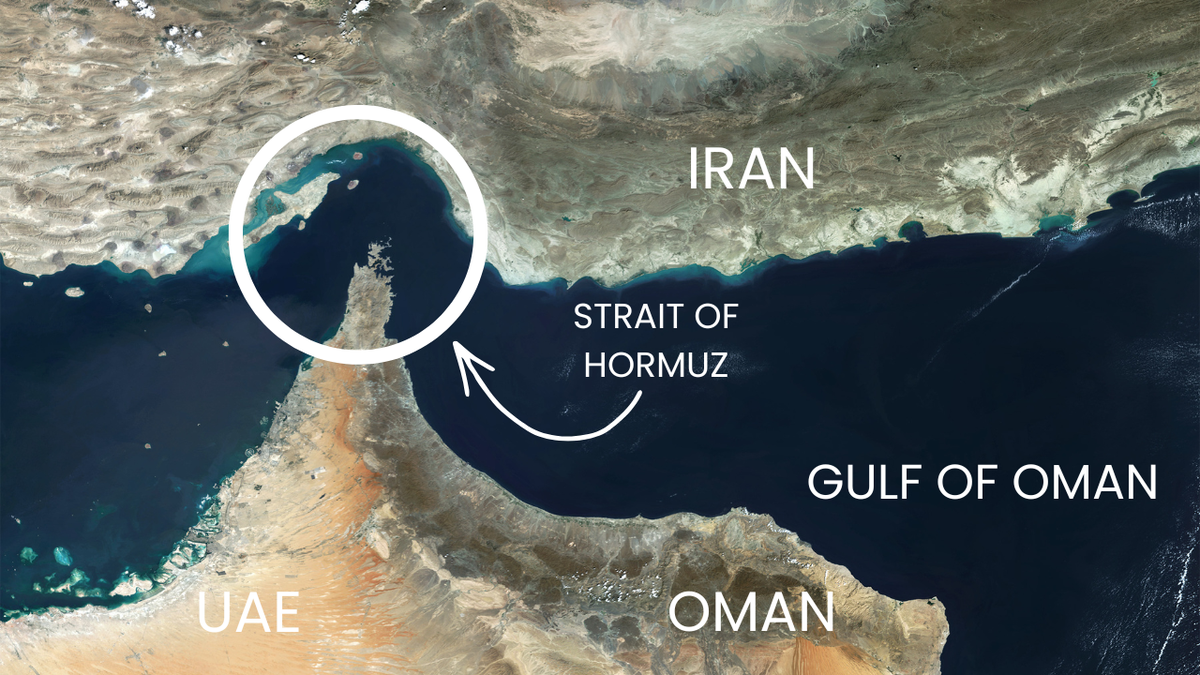
The Strait of Hormuz, a critical waterway for global oil supplies, has seen a significant decline in shipping traffic since the start of the Iran war on February 28. Despite periodic attacks on shipping by Iranian forces, nearly 100 ships have passed through the strait since March 1. Analysis by BBC Verify shows that about a third of these ships have connections to Iran, while others have links to China and India. Ships are taking longer routes to avoid attacks, and some are disabling their tracking systems to evade detection. Experts warn that the mix of threats, including drones, missiles, and mines, poses a serious challenge to commercial shipping.
Entities: Strait of Hormuz, Iran, BBC Verify, Kpler, Joint Maritime Information Centre • Tone: neutral • Sentiment: negative • Intent: inform
20-03-2026
The article reports that President Trump has not made a decision on sending American forces into Iran to seize the country's nuclear material, according to sources close to him. The Pentagon has prepared multiple options for the president, and Trump is concerned about Iran's capability to plant mines and gum up oil shipping in the Strait of Hormuz. The International Atomic Energy Agency (IAEA) has expressed doubts about destroying Iran's nuclear program militarily, and the White House is uncertain about who is currently in primary Iranian leadership roles. The article also highlights the risks and challenges associated with a potential military operation, including the difficulty of retrieving highly enriched uranium and the threat of Iranian attacks in the Strait of Hormuz.
Entities: Donald Trump, Iran, United States, International Atomic Energy Agency, Pentagon • Tone: neutral • Sentiment: negative • Intent: inform
20-03-2026
The article discusses the potential consequences of a war between America and Iran on Bahrain, a small Gulf island nation. Bahrain's economy is already struggling due to low oil prices and high debt-servicing costs, and the war has further exacerbated the situation. The country's infrastructure, including refineries, factories, and high-rise apartments, has been damaged by Iranian retaliatory drones and missiles. The article highlights the vulnerability of Bahrain's economy and the potential for further destabilization in the region.
Entities: America, Iran, Bahrain, Israel, Manama • Tone: negative • Sentiment: negative • Intent: inform
20-03-2026
The article discusses the escalating conflict in the Middle East, specifically the war involving Iran, and how it may draw in Gulf states. The conflict has been ongoing for three weeks, and the primary objective now appears to be control of the Strait of Hormuz, a critical passageway for global energy supplies. The article highlights the potential consequences of the conflict escalating further, including the involvement of other regional players and the impact on global energy markets.
Entities: Iran, Gulf states, Donald Trump, Strait of Hormuz, America • Tone: analytical • Sentiment: negative • Intent: inform
20-03-2026
The article discusses the ongoing conflict between Iran and the United States/Israel, describing it as two parallel wars: the campaign of American and Israeli air strikes against the Iranian regime and Iran's war on the global economy. The conflict is largely one-sided, with Iran unable to repel the air strikes and the US having no easy way to stop Iranian attacks on energy facilities. The war is having significant consequences, including a severe impact on the global economy, a strain on American military power, and potential destabilization of neighboring countries like Bahrain.
Entities: Iran, United States, Israel, Middle East, Strait of Hormuz • Tone: analytical • Sentiment: negative • Intent: inform
20-03-2026
The article discusses the impact of oil shortages on Iranians due to the ongoing war between the US, Israel, and Iran. The conflict has led to rising fuel costs, affecting not only Iran but also global energy prices. The article highlights various aspects of the war, including its effects on ticket prices for flyers, Israel's attacks on Iranian oil facilities, and the humanitarian crisis in Lebanon. It also touches on unrelated news stories, such as a meningitis outbreak in the UK and North Korea's profits from Russia's war in Ukraine.
Entities: Iran, US, Israel, Max Feliu, CNN • Tone: neutral • Sentiment: negative • Intent: inform
20-03-2026
The article discusses the potential impact of a recent attack on Iran's only functioning nuclear power plant, which was reportedly hit by a hostile projectile. Officials claim there is no damage or radiation leak, but the incident highlights the significant risks to the region. The article also touches on the broader context of the US-Iran war and its consequences, including rising fuel costs and the effects on air travel. Various experts and officials, such as Illinois Governor JB Pritzker and Israeli Prime Minister Benjamin Netanyahu, share their perspectives on the conflict.
Entities: Iran, US, Israel, JB Pritzker, Benjamin Netanyahu • Tone: neutral • Sentiment: negative • Intent: inform
20-03-2026
The article provides live updates on the conflict between Israel and Iran, with Israel's Prime Minister Benjamin Netanyahu stating that Israel 'acted alone' in striking Iranian energy sites. The conflict has led to a surge in oil prices, with Goldman Sachs warning that prices may top $100 through 2027. The US President Donald Trump has sought $200 billion in new Pentagon funding and has called on Israel not to repeat attacks on Iranian energy sites. The conflict has also raised concerns about global food security, with the World Food Programme warning of 'record levels of hunger' and the potential for an additional 45 million people to fall into acute hunger. The International Energy Agency has recommended measures to ease the pain of higher energy prices on consumers.
Entities: Benjamin Netanyahu, Donald Trump, Iran, Israel, South Pars field • Tone: neutral • Sentiment: negative • Intent: inform
20-03-2026
The world's largest natural gas field, South Pars, shared by Iran and Qatar, has been struck in an escalation of the war on Iran, potentially sparking a new energy crisis. The incident is expected to impact energy prices globally, with Qatar exporting around 20% of the world's natural gas supply. The conflict between the US, Israel, and Iran continues to escalate, affecting various aspects of the global economy and politics. The article discusses the potential consequences of the strike on the South Pars gas field, the rising fuel costs due to the war, and the impact on flyers. It also touches upon other related news stories, including Trump's mixed messaging to US allies about Iran and the humanitarian crisis in Lebanon.
Entities: South Pars, Iran, Qatar, US, Israel • Tone: neutral • Sentiment: negative • Intent: inform
20-03-2026
The war in Iran is having far-reaching consequences, affecting kitchens across India due to fears of cooking gas shortages. Much of India's LPG imports pass through the Strait of Hormuz, leading to panic-buying of alternatives like induction stoves. The Indian government is working to secure supply through diplomatic talks. The conflict is also impacting global energy prices, with the South Pars gas field, shared by Iran and Qatar, being struck. The article also touches on other related news stories, including rising fuel costs, Trump's mixed messages to US allies, and the humanitarian crisis in Lebanon.
Entities: Iran, India, Strait of Hormuz, LPG, CNN • Tone: neutral • Sentiment: negative • Intent: inform
20-03-2026
French President Emmanuel Macron has called for an immediate de-escalation in the Middle East, urging a halt to U.S.-Israeli strikes on critical infrastructure as fighting intensifies across the region. Macron emphasized France's push for diplomacy, while the United States and Israel emphasize military pressure against Iran and its proxies. The divide reflects a broader question shaping the conflict: whether diplomacy can contain Iran's regional network or whether force is required to dismantle it. The tension is playing out over the Strait of Hormuz, a critical global shipping route for oil and energy supplies. European allies, including France, signaled they are not entirely stepping back from efforts to secure the strategic waterway, but remain divided over timing.
Entities: Emmanuel Macron, United States, Israel, Iran, France • Tone: neutral • Sentiment: negative • Intent: inform
20-03-2026
A group of 12 Arab and Islamic countries, led by Qatar and Saudi Arabia, have condemned Iran's recent missile and drone strikes on civilian infrastructure in the region. The countries issued a joint statement after a meeting in Riyadh, Saudi Arabia, denouncing Iran's actions as 'heinous' and warning Tehran against further escalation. The statement also reaffirmed the right of affected countries to defend themselves under Article 51 of the United Nations Charter. The tensions between Iran and other countries in the region have been escalating, with Israel striking Iran's South Pars gas field, prompting Iranian retaliatory attacks on energy infrastructure in Qatar and Saudi Arabia. US President Donald Trump has warned that the US could respond with overwhelming force if Qatar's LNG facilities are targeted again.
Entities: Qatar, Saudi Arabia, Iran, Riyadh, United Arab Emirates • Tone: negative • Sentiment: negative • Intent: inform
20-03-2026
The article discusses the escalating conflict between Iran and other countries, including Israel and Saudi Arabia, and the potential economic consequences of a prolonged war. In the last 24 hours, Iran has launched missile attacks on energy targets in Saudi Arabia, Qatar, Kuwait, and Israel, causing significant damage and disruption to global energy supplies. The article highlights the concerns of economists and analysts, who warn that a prolonged conflict could have catastrophic effects on the global economy, including soaring prices for oil, gas, and other commodities. The US President, Donald Trump, is considering sending troops to secure the Strait of Hormuz, which could further escalate the conflict. An interview with an Iranian diplomat, Esmail Baghaei, reveals that Iran will not show restraint in the face of aggression and is unlikely to offer an olive branch to its enemies. The article concludes that the situation is dire and that the global economy will suffer if the conflict continues.
Entities: Iran, Israel, Saudi Arabia, Qatar, Kuwait • Tone: urgent • Sentiment: negative • Intent: inform
20-03-2026
China's preparation for a global energy crisis is paying off as it has significant buffers in oil reserves and renewables, allowing it to weather the current crisis sparked by the US-Israel war on Iran. China's energy system has huge reserves of oil and liquefied natural gas (LNG), a robust domestic supply, and alternative energy sources like wind and solar. While China is better placed than other Asian economies, its energy supply is not entirely in its own hands, and a prolonged crisis could test its resilience.
Entities: China, Xi Jinping, Iran, US, Israel • Tone: neutral • Sentiment: neutral • Intent: inform