16-05-2026
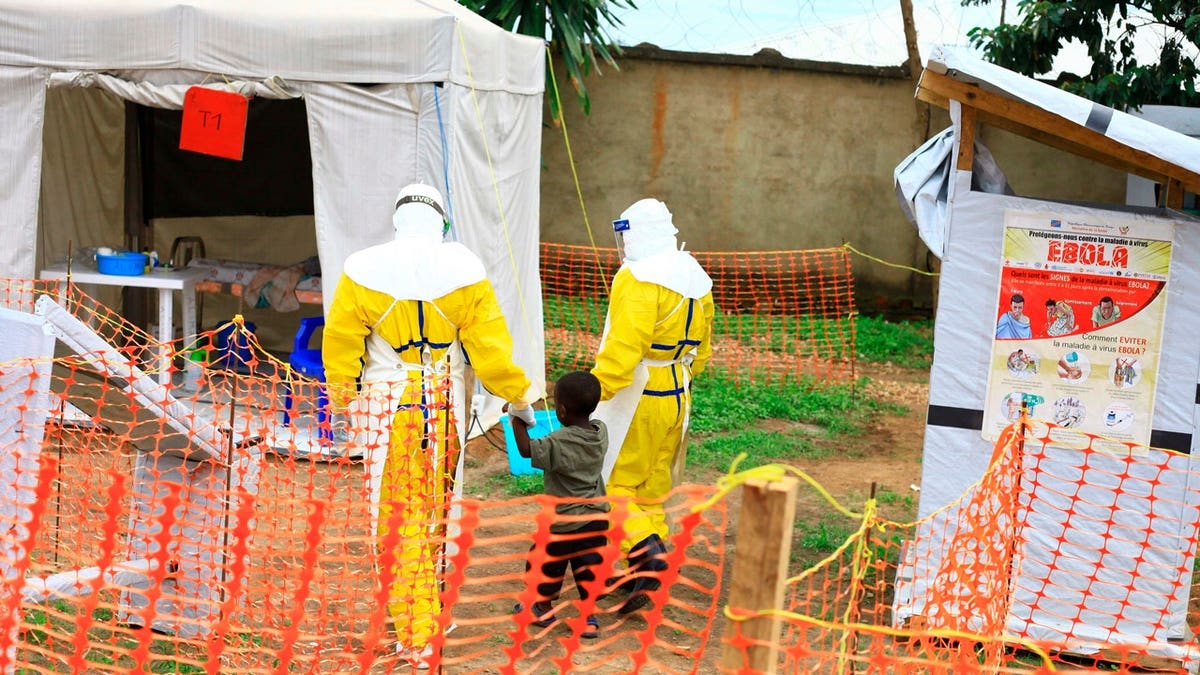
Africa’s top health agency has declared an Ebola outbreak in the Democratic Republic of Congo’s eastern Ituri province, with around 246 cases and 80 deaths reported so far, according to the Africa Centres for Disease Control and Prevention (Africa CDC). The outbreak is centered mainly in the gold-mining towns of Mongwalu and Rwampara, and suspected cases have also been reported in Bunia, the provincial capital. Preliminary laboratory testing in Kinshasa detected Ebola in 13 of 20 samples, while further testing is underway to identify the strain. The outbreak has raised concern because the affected areas include densely populated urban settings and mining communities, and because there is significant movement across borders into neighbouring countries. Uganda has already confirmed one imported case: a 59-year-old Congolese man who died in Kampala after testing positive. The article notes that DR Congo has experienced many Ebola outbreaks since the virus was first discovered in 1976, including the country’s deadliest outbreak between 2018 and 2020, which killed nearly 2,300 people. The government in Kinshasa had not yet formally declared the outbreak at the time of reporting, but regional authorities and international partners were preparing coordinated response and surveillance efforts.
Entities: Ebola, Democratic Republic of Congo (DR Congo), Ituri province, Africa Centres for Disease Control and Prevention (Africa CDC), Mongwalu • Tone: urgent • Sentiment: negative • Intent: inform
16-05-2026
A new Ebola outbreak has been confirmed in Congo’s eastern Ituri province, with the Africa Centres for Disease Control and Prevention reporting 246 suspected cases and 65 deaths. Preliminary lab testing found Ebola in 13 of 20 samples, suggesting the outbreak may be broader than initially confirmed. Health officials are especially concerned because the affected area is remote yet highly connected through mining activity, cross-border movement, and nearby urban centers, all of which could accelerate spread into Uganda or South Sudan. The outbreak is complicated by ongoing insecurity in eastern Congo, where armed groups and militants can disrupt surveillance, contact tracing, and treatment efforts.
The article notes that Africa CDC is coordinating an urgent meeting with Congo, Uganda, South Sudan, U.N. agencies, and other partners to plan response priorities such as surveillance, laboratory support, infection prevention, risk communication, and safe burials. This outbreak comes only months after Congo’s previous Ebola outbreak ended, and it is the country’s 17th since the virus was first identified there in 1976.
A key concern is that the strain involved is Bundibugyo ebolavirus, a rare variant with only two prior known outbreaks, one in Uganda in 2007 and another in Congo in 2012. Unlike the more common Zaire strain, there are no approved vaccines or treatments specifically for Bundibugyo, making the response more difficult. While its fatality rate is historically lower than Zaire’s, it remains highly dangerous. The article places this outbreak in the broader context of Congo’s recurring Ebola crises, severe logistical challenges, and the region’s ongoing conflict, which together increase the risk of a wider public health emergency.
Entities: Ebola, Africa Centres for Disease Control and Prevention (Africa CDC), Democratic Republic of the Congo (Congo), Ituri province, Mongwalu • Tone: urgent • Sentiment: negative • Intent: inform
16-05-2026
Africa’s top public health agency confirmed a new Ebola outbreak in Congo’s remote Ituri province after 65 deaths and 246 suspected cases were reported, prompting concern that the virus could spread across borders into Uganda and South Sudan. Officials are still investigating which strain is involved, with early testing suggesting it may not be Ebola Zaire, the deadliest and most notorious strain responsible for Congo’s 2018–2020 epidemic. Only four deaths have been laboratory confirmed so far, and sequencing is underway to determine the exact variant.
The outbreak is concentrated in the Mongwalu and Rwampara health zones near mining routes and areas with weak infrastructure and insecurity, conditions that health authorities say could accelerate transmission. Uganda has already confirmed one Ebola-related death in a Congolese man whose case was linked to the Congo outbreak. The World Health Organization has sent a response team to support investigation and sample collection, and Director-General Tedros Adhanom Ghebreyesus announced $500,000 in emergency funding. Congo also has treatments and about 2,000 doses of the Ervebo vaccine, though that vaccine only protects against Ebola Zaire and not against Sudan or Bundibugyo strains. The article notes that this is Congo’s 17th Ebola outbreak since the virus was first identified there in 1976.
Entities: Ebola outbreak, Congo, Ituri province, Mongwalu, Rwampara • Tone: urgent • Sentiment: negative • Intent: inform
16-05-2026
New York physician Craig Spencer, who survived Ebola after contracting it while working in Guinea in 2014, says he is especially worried about healthcare workers responding to a new Ebola outbreak in eastern Congo’s Ituri province. The outbreak has been reported in at least 246 suspected cases and 65 deaths, and public health experts say it may involve the Bundibugyo strain of Ebola, for which there are no approved vaccines or treatments. Spencer emphasizes that healthcare workers are at greatest risk because they have close contact with patients at the most contagious stage of the illness, especially around death and burial. He reflects on his own experience with Ebola—his hospitalization at Bellevue Hospital, his isolation, and his eventual recovery—to underscore the disease’s severity and the burdens placed on caregivers.
The article also places the outbreak in a broader public health and political context. Experts quoted in the story warn that the region is volatile and that containment is difficult because of population movement, insecurity, and a humanitarian crisis. Spencer and other experts express concern that U.S. reductions in global health capacity, including the dismantling of USAID and the absence of leadership in the Office of Pandemic Preparedness and Response, may weaken America’s ability to help respond quickly to outbreaks abroad. Still, Spencer says the United States retains domestic capacity to manage high-consequence pathogens and points to quarantine and treatment facilities as evidence of preparedness. Overall, the piece combines a personal recovery story with an urgent warning about outbreak response, frontline healthcare workers, and the importance of sustained public health infrastructure.
Entities: Craig Spencer, Brown University, Doctors Without Borders, Ebola, Ituri province • Tone: analytical • Sentiment: neutral • Intent: inform