15-05-2026
A vessel described by maritime risk management firm Vanguard as a “floating armoury” has reportedly been seized by Iranian military personnel in the Gulf of Oman, with UKMTO saying it is now heading toward Iranian territorial waters. BBC Verify cross-checked MarineTraffic data and found the ship, identified by Vanguard as the Honduras-flagged Hui Chuan, last broadcast its position about 70km northeast of Fujairah in the UAE. The article notes that Vanguard says the ship’s operators claimed it stored weapons for security firms that protect merchant vessels from piracy, though BBC Verify could not confirm what was on board or who was using it.
The report places the apparent seizure in a broader period of maritime insecurity in the region. It follows an attack on an Indian-flagged vessel, the Haji Ali, off the coast of Oman, which Indian officials said led to the crew’s safe rescue after a fire reportedly broke out and the ship later sank. Vanguard suggested a drone or missile may have caused an explosion, while India’s foreign ministry called the attack unacceptable. Ship-tracking data shows the Haji Ali had departed Somalia and was heading to Sharjah in the UAE with livestock aboard.
The article also mentions that the Strait of Hormuz was discussed in talks between US President Donald Trump and Chinese President Xi Jinping, with the White House saying Xi opposed militarization of the strait and both sides agreeing it must remain open to the free flow of energy. Overall, the piece highlights rising tensions around a critical maritime chokepoint and the risks facing shipping in the Gulf region.
Entities: Strait of Hormuz, Iran, Gulf of Oman, UK Maritime Trade Operations (UKMTO), Vanguard • Tone: analytical • Sentiment: neutral • Intent: inform
15-05-2026
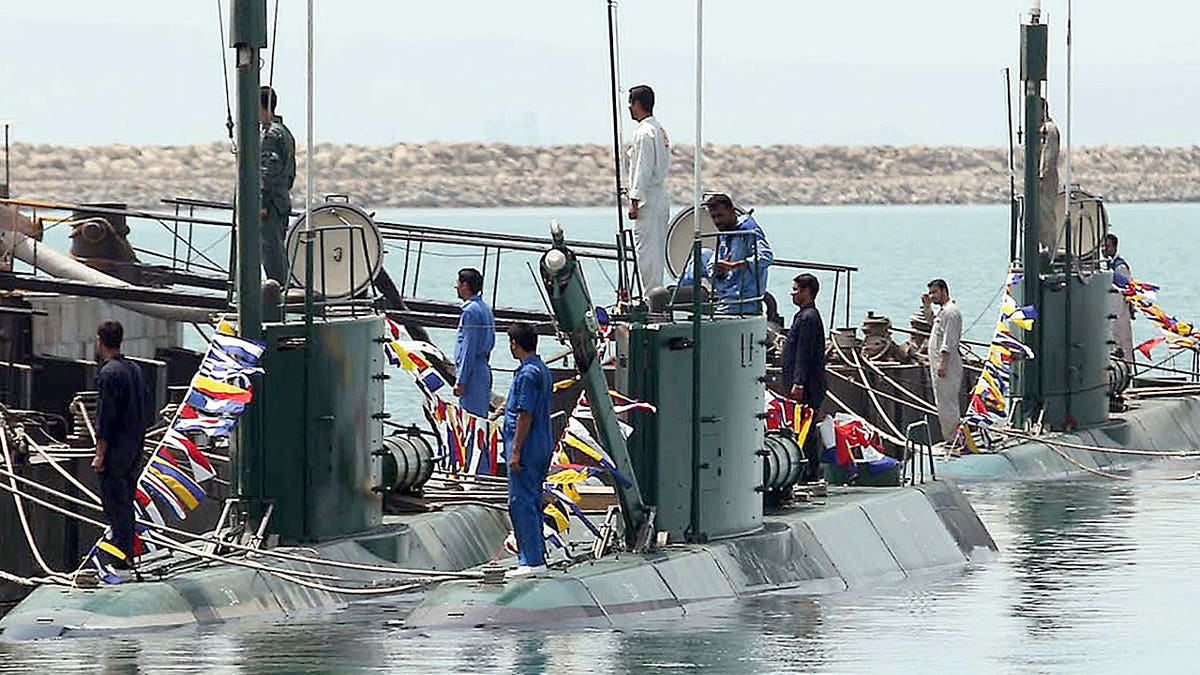
The article reports on Iran’s claim that it has deployed Ghadir-class mini-submarines in the Strait of Hormuz as part of its effort to deter pressure from the United States amid stalled peace talks. According to Iranian state media, the submarines are meant to serve as an “invisible guardian” of the strategic waterway. Defense analyst Tom Shugart, a retired U.S. Navy submarine warfare officer, says the threat posed by these vessels is limited because they are small, short-range diesel-electric submarines with constrained endurance, limited firepower, and no air-independent propulsion system. He explains that if the submarines snorkel to recharge batteries, they become easier to detect by radar and other surveillance systems, making them vulnerable in a contested environment.
Shugart acknowledges the Ghadir class could be useful for laying mines or threatening merchant ships in shallow waters, but he says they do not pose a serious threat to U.S. Navy warships, and especially not to U.S. submarines. The piece situates this assessment within a broader regional crisis: the Strait of Hormuz remains effectively choked off, commercial traffic has been disrupted, Iranian ports are under blockade, and military activity continues despite ceasefire-related announcements. The article also contrasts Iran’s claims with U.S. naval power, noting the arrival of an Ohio-class ballistic missile submarine in Gibraltar as an example of America’s survivable undersea deterrent. Overall, the article frames Iran’s move as a symbolic and tactical pressure measure rather than a decisive strategic shift, while emphasizing the ongoing risk to global shipping and regional stability.
Entities: Iran, Strait of Hormuz, Ghadir-class mini-submarines, IRGC Navy, Rear Admiral Shahram Irani • Tone: analytical • Sentiment: neutral • Intent: analyze
15-05-2026
A vessel was seized off the coast of the United Arab Emirates near the Strait of Hormuz on Thursday morning, according to the British military’s United Kingdom Maritime Trade Operations (UKMTO). The ship was reportedly boarded by unauthorized personnel about 38 nautical miles northeast of Fujairah, the UAE’s oil export terminal, and then tracked moving toward Iranian territorial waters. British authorities did not immediately identify the ship or the parties involved, though the BBC, citing the maritime risk-management company Vanguard, reported that the vessel may have been the Honduras-flagged Hui Chuan. That reporting also said the ship operators described it as a ‘floating armory’ used to defend ships in the Strait from pirates. The incident occurred amid renewed tensions around the Strait of Hormuz, a critical global shipping lane, and follows other recent vessel seizures in the same waterway. Fox News noted that at least two ships were seized there since February, including the Panamanian-flagged MSC Francesca and Epaminondes, both seized in April by Iran’s Islamic Revolutionary Guard Corps. The article frames the event as another provocative escalation in a strategically vital region, but emphasizes that official details remained limited at the time of publication.
Entities: Strait of Hormuz, United Arab Emirates (UAE), UK Maritime Trade Operations (UKMTO), Fujairah, Iran • Tone: analytical • Sentiment: neutral • Intent: inform
15-05-2026
Tensions around the Strait of Hormuz escalated sharply after two maritime incidents: one vessel anchored off the United Arab Emirates was seized and apparently taken toward Iran, while another cargo ship near Oman was attacked and sank. Authorities in the region did not immediately identify the perpetrators, but the events unfolded amid worsening U.S.-Iran confrontation over control of the strategic waterway. The Strait of Hormuz is crucial to global energy flows, and the article emphasizes that instability there has already jolted markets and pushed fuel prices higher.
The report places the incidents in a broader diplomatic and military context. It notes that the White House and Iranian officials remain far apart in negotiations to end the conflict, with Iran demanding reparations, recognition of its sovereignty over the strait, and other conditions before returning to talks. Iranian officials publicly reiterated claims that the strait belongs to Iran and defended the right to seize ships linked to the United States. Meanwhile, U.S. military leaders said Iran’s capabilities have been degraded but its rhetoric still affects shipping and insurance markets, and that the U.S. could reopen the strait militarily if ordered.
The article also connects the maritime crisis to regional politics involving Israel, the UAE, China, and Oman. It describes a disputed report about Israeli Prime Minister Benjamin Netanyahu’s visit to the UAE, notes the UAE’s normalization with Israel, and cites experts who say Gulf states are trying to separate security cooperation from controversial politics. Overall, the piece portrays a volatile moment in which shipping security, energy markets, and high-stakes diplomacy are all intertwined.
Entities: Strait of Hormuz, United Arab Emirates, Iran, Oman, U.S. / United States • Tone: urgent • Sentiment: negative • Intent: inform
15-05-2026
Admiral Brad Cooper, head of U.S. Central Command, told the Senate Armed Services Committee that the U.S. bombing campaign against Iran, Operation Epic Fury, achieved its main goals by sharply degrading Iran’s military capabilities, especially its ability to threaten shipping through the Strait of Hormuz. Cooper said U.S. forces destroyed more than 90% of Iran’s inventory of 8,000 naval mines and damaged or destroyed more than 85% of its ballistic missile, drone, and naval industrial base through over 1,450 strikes. He argued that Iran’s ability to disrupt commerce in the strait has been dramatically reduced, though threats remain and Iran still retains some capability.
Cooper said reopening the Strait of Hormuz militarily is possible but is ultimately a policy decision, and he noted that the ceasefire reached on April 7 remains in effect even amid continuing naval tensions and exchanges of fire. He also said it would take Iran years to rebuild its drone and missile production and perhaps a generation to restore its navy. However, he declined to confirm or discuss classified details about remaining missile stocks, intelligence involving China or Russia, or specific operational assessments.
The hearing also touched on legal and humanitarian concerns. Senator Tim Kaine criticized the administration for withholding the Justice Department opinion that allegedly justified the strikes, while other senators questioned civilian harm, including a strike on an Iranian girls’ school and reports of school and hospital damage. Cooper said investigations into the school strike and other incidents were ongoing and emphasized his commitment to minimizing civilian casualties.
Entities: Brad Cooper, U.S. Central Command, Senate Armed Services Committee, Operation Epic Fury, Iran • Tone: analytical • Sentiment: neutral • Intent: inform