11-10-2026
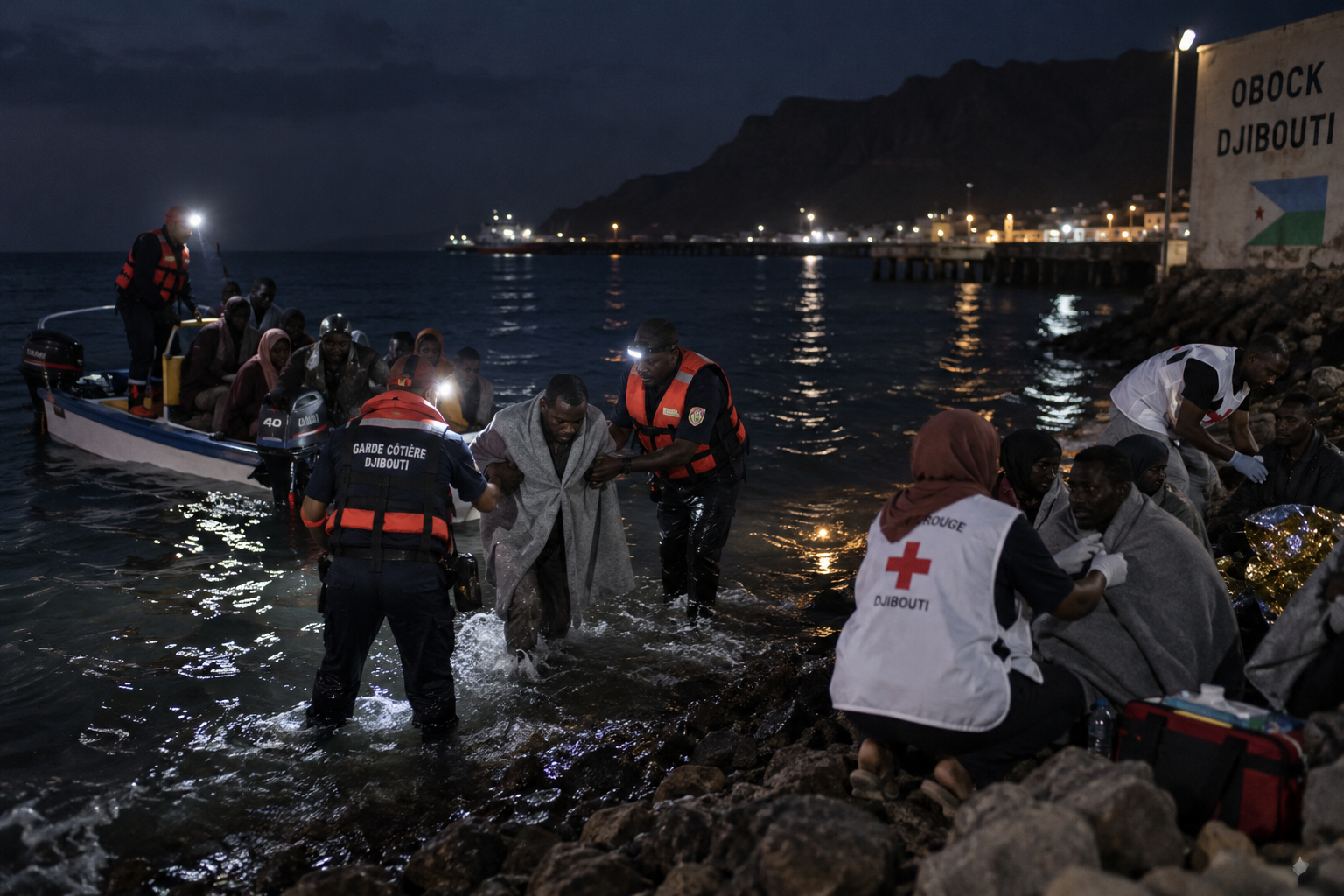
At least 139 people, including 15 children, died when a migrant boat capsized off Djibouti on Thursday night while traveling toward Yemen. The International Organization for Migration (IOM) reported that 82 people—all Ethiopians—survived and that another 84 remained missing. The boat capsized near the port town of Obock, according to Safiya Ibrahim, a humanitarian response coordinator for the UN agency. Survivors said the vessel began sinking backwards shortly after they boarded, IOM chief of mission in Djibouti Alexandre Coissac reported. Search and rescue operations continued, with personal belongings believed to have come from the boat found on a beach. The IOM is supporting survivors with healthcare and help contacting their families, while expressing sympathy for those who lost loved ones or remain uncertain about relatives’ whereabouts. Coissac described the disaster as a stark reminder of the dangers faced by people seeking a new life elsewhere. One survivor told him they came from Ethiopia’s Tigray region, where renewed fighting between rebels and the federal government has flared. The article places the tragedy within the wider migration route across the Bab el-Mandeb Strait. Despite Yemen’s devastating civil war and broader regional instability, migrants continue to cross from the Horn of Africa, often hoping to reach Gulf countries for safety and employment. The UN agency says tens of thousands undertake this perilous journey each year.
Entities: International Organization for Migration (IOM), Safiya Ibrahim, Alexandre Coissac, Djibouti, Obock • Tone: emotional • Sentiment: negative • Intent: inform
11-10-2026
At least 109 people, including 15 children, have died and more than 116 are missing after a migrant boat capsized off Djibouti, the International Organization for Migration (IOM) says. The incident occurred near Guhere on Djibouti’s eastern coast, facing the Gulf of Aden and the Bab al-Mandeb strait, between Thursday night and early Friday morning. Survivors told the IOM that the boat was travelling from Djibouti to Yemen with more than 300 people aboard. More than 80 people, all Ethiopian, survived. Djiboutian authorities continued search-and-rescue operations, while IOM teams were providing emergency assistance alongside local officials. IOM Chief of Mission in Djibouti Alexandre Coissac described the loss of life as devastating and said the disaster underscored the dangers migrants face along the route.
The Bab al-Mandeb crossing is a popular but hazardous migration corridor for people from the Horn of Africa seeking work and safety in Gulf countries. The route is being used despite instability associated with the US-Israel war on Iran and renewed fighting in Yemen between government forces and Houthi fighters. The IOM reported more than 20,000 incoming movements to Djibouti from Ethiopia since September 10. It also recorded more than half a million attempts to travel along the route into Yemen last year, with at least 900 people dead or missing. The article notes that Djibouti is both a departure point for migrants heading toward Yemen and a destination for people fleeing renewed conflict there.
Entities: International Organization for Migration (IOM), Alexandre Coissac, Djibouti, Guhere, Yemen • Tone: urgent • Sentiment: negative • Intent: inform
11-10-2026
At least 139 migrants, including 15 children, died when a boat capsized off Djibouti on Thursday night, the UN’s International Organization for Migration (IOM) reported. The vessel was carrying 305 people from Djibouti toward Yemen and sank near Obock. About 82 people were rescued, leaving 84 unaccounted for based on the figures reported. The IOM revised the death toll from 109 after 30 additional bodies were recovered. The survivors are Ethiopian nationals; local authorities are arranging burials, and medical care is available. The IOM is assisting 64 survivors at its Obock response centre, including with healthcare and help reconnecting with relatives.
IOM Djibouti mission chief Alexandre Coissac described the disaster as a stark reminder of the risks migrants face in pursuit of a new life. Tens of thousands of people from the Horn of Africa attempt the dangerous journey toward Gulf countries each year, seeking safety and work. Despite Yemen’s decade-long civil war and instability in the wider region, migrants continue to cross the Bab el-Mandeb Strait, driven by poverty, insecurity and climate change. IOM data recorded more than 20,000 movements from Ethiopia to Djibouti since 10 September.
The agency reported that more than 900 migrants died or went missing on the same route in 2025, when attempted journeys increased by 18%. A similar incident in March 2026 killed nine people and left 45 missing. The article also notes Yemen’s wider displacement crisis: more than 130,000 people have been displaced within the country, while thousands of Yemenis have fled to Djibouti amid fighting between Houthi forces and the Saudi-backed Yemeni government. The IOM says it is working with local authorities to assist migrants and prevent deaths at sea and on land.
Entities: Djibouti, Yemen, Obock, Ethiopia, Horn of Africa • Tone: analytical • Sentiment: negative • Intent: inform
11-10-2026
At least 139 people were killed and 84 remained missing after a migrant boat carrying an estimated 305 people capsized off Djibouti, according to the United Nations’ International Organization for Migration (IOM). The boat overturned on Saturday night near the Bab el-Mandeb Strait, a dangerous route linking the Horn of Africa with Yemen and the Arabian Peninsula. The IOM said the disaster is believed to be among the deadliest shipwrecks on this migration corridor.
Djiboutian authorities were continuing search-and-rescue operations as concerns grew for those still missing. The IOM reported that 80 people survived; all were Ethiopian nationals. Of the bodies recovered so far, 52 were men, 42 were women and 15 were children. The article notes that most people attempting the crossing are from Ethiopia and Somalia.
IOM Chief of Mission in Djibouti Alexandre Coissac described the loss of life as “devastating” and said the tragedy highlighted the dangers migrants face while seeking economic opportunities. The organization cited poverty, insecurity and the growing impacts of climate change as factors driving people to make the perilous journey, despite increasing instability across the Middle East.
The crossing has seen a sharp increase in traffic: the IOM detected more than 20,000 crossings from Djibouti to Yemen in the past month. Yemen is in the midst of a civil war, and more than 900 migrants died attempting the passage in 2025. The IOM called on donors and partners to provide stronger support for Djibouti’s response, including rescue operations and life-saving assistance.
Entities: International Organization for Migration (IOM), Alexandre Coissac, Djibouti, Bab el-Mandeb Strait, Yemen • Tone: neutral • Sentiment: negative • Intent: inform
11-10-2026
At least 139 migrants died after a boat capsized off Djibouti during the night of 8 to 9 October, according to the UN’s International Organization for Migration (IOM). The vessel was carrying 305 people from Djibouti to Yemen and sank near Guhere, north of Obock. A further 84 people were still missing when the IOM reported the updated toll on Sunday. The number of confirmed deaths had risen from 109 after 30 additional bodies were recovered. In its earlier account, the IOM said the initial 109 people found dead included 52 men, 42 women and 15 children; more than 80 people had survived, all of them Ethiopian nationals.
Alexandre Coissac, the IOM’s chief of mission in Djibouti, described the incident as a devastating loss of life and said the agency’s teams were working with local authorities to provide emergency assistance. Search and rescue operations were ongoing. Coissac said the tragedy highlighted the dangers faced by migrants using this route in search of economic opportunities.
The IOM said tens of thousands of people travel from the Horn of Africa through Djibouti each year, crossing the Bab el-Mandeb Strait to Yemen in hopes of eventually reaching Gulf countries. Poverty, insecurity and the growing effects of climate change contribute to people undertaking the journey, despite instability across the Middle East. The article also notes a shipwreck off Djibouti in March that killed nine migrants and left 45 missing. Since 10 September, more than 20,000 incoming movements from Ethiopia to Djibouti had been recorded by the IOM’s Displacement Tracking Matrix.
Entities: International Organization for Migration (IOM), Alexandre Coissac, Djibouti, Yemen, Guhere • Tone: neutral • Sentiment: negative • Intent: inform
11-10-2026
At least 139 migrants died and 84 remain missing after a boat carrying 350 people capsized off Djibouti while traveling toward Yemen, the International Organization for Migration (IOM) reported on Sunday. The vessel sank overnight on October 8–9, north of the Djiboutian town of Obock. The latest death toll reflects the discovery of 30 additional bodies. An earlier IOM statement had reported 109 deaths, including 15 children, and about 116 people missing.
Survivors said the boat was traveling from Djibouti to Yemen. More than 80 people survived the wreck; all were Ethiopian nationals. Among the recovered bodies were at least 52 men, 42 women, and 15 children—nine girls and six boys. IOM teams were working with local authorities to provide emergency assistance.
IOM Djibouti chief of mission Alexandre Coissac described the incident as a devastating loss of life and expressed sympathy for survivors and families who had lost relatives or were still awaiting news. He said the tragedy underscored the dangers migrants face on the route across the Bab el-Mandeb Strait toward Yemen and, for some, Gulf countries. The IOM said poverty, insecurity, and the growing effects of climate change drive people to make the journey, despite mounting instability across the Middle East.
Entities: Djibouti, Yemen, Obock, Bab el-Mandeb Strait, Alexandre Coissac • Tone: neutral • Sentiment: negative • Intent: inform
11-10-2026
At least 109 migrants, including 15 children, died after a boat carrying about 305 people capsized while travelling from Djibouti to Yemen, the International Organization for Migration (IOM) said. More than 116 people remained missing, while over 80 survived; the survivors were all Ethiopian nationals. The boat capsized near Guhere, north of the Djiboutian port town of Obock, during the night of 8–9 October, according to accounts from survivors. The 109 recovered victims included 52 men, 42 women and 15 children—nine girls and six boys.
IOM teams are working alongside local authorities to provide emergency assistance. Djiboutian authorities continue search-and-rescue operations, provide medical care to survivors and arrange burials. IOM Chief of Mission in Djibouti Alexandre Coissac said the disaster highlights the risks migrants face along the route as they seek economic opportunities. The Ethiopian and Djiboutian governments had not immediately responded to requests for comment.
The article places the shipwreck amid worsening regional instability. Yemen is seeing its most serious escalation in fighting between Saudi Arabia-backed government forces and the Iran-backed Houthis since a UN-brokered truce largely halted cross-border attacks in 2022. The renewed conflict could alter control in Yemen and affect Red Sea shipping lanes. IOM reported that displacement linked to the crisis had climbed to 200,000, up from 76,000 in mid-September. More than 3,700 people had fled Yemen by sea to Djibouti by the previous week. Separately, fighting broke out in Ethiopia last month in the biggest escalation of violence there since the Tigray war.
Entities: International Organization for Migration (IOM), Alexandre Coissac, Djibouti, Yemen, Guhere • Tone: neutral • Sentiment: negative • Intent: inform
11-10-2026
At least 139 migrants, including 15 children, died when a boat carrying about 305 people capsized off Djibouti’s northern coast while travelling toward Yemen. The vessel overturned near Guhere, north of the port town of Obock, during the night of October 8 into October 9, according to survivor accounts reported by the International Organization for Migration (IOM). More than 80 people survived, and the IOM said all identified survivors were Ethiopian. The agency increased its initial death toll of 109 after 30 additional bodies were recovered. Among the first 109 bodies found were 52 men, 42 women and 15 children; more than 80 people remained missing at the time of the report.
Djiboutian authorities continued search-and-rescue operations, while the IOM provided survivors with medical care, emergency assistance and burial arrangements. IOM chief of mission in Djibouti Alexandre Coissac said the disaster underscored the risks migrants face as they travel along the route in search of economic opportunities.
The report links the tragedy to renewed fighting in Ethiopia’s Tigray region. The IOM recorded more than 20,000 movements into Djibouti from Ethiopia since September 10. Each year, tens of thousands of people from the Horn of Africa pass through Djibouti and cross the Bab Al Mandeb strait to Yemen, hoping to reach Gulf countries, despite conflict along Yemen’s Red Sea coast. The article also notes that more than 3,700 people had fled fighting in the opposite direction, crossing from Yemen to Djibouti.
Entities: Djibouti, Guhere, Obock, Ethiopia, Tigray region • Tone: neutral • Sentiment: negative • Intent: inform