11-04-2026
US intelligence reports indicate that China is preparing to ship shoulder-fired anti-air missile systems (MANPADS) to Iran in the coming weeks. This development comes during a fragile ceasefire between the US and Iran, a ceasefire that Beijing claimed to help broker. The move is seen as provocative, especially as President Donald Trump is scheduled to visit China next month for talks with President Xi Jinping. Intelligence suggests that China may be routing these shipments through third countries to maintain plausible deniability and mask the origin of the weapons.
While Chinese companies have previously provided sanctioned dual-use technology to Iran, a direct government transfer of weapons systems would represent a significant escalation in support. Analysts suggest that Beijing is attempting a balancing act: maintaining its critical oil relationship with Iran and positioning itself as a friend to the regime, while avoiding direct entry into a conflict it views as unwinnable. By providing air defense systems, China may argue that its support is purely defensive, contrasting its approach with Russia's more offensive intelligence-sharing support.
The Chinese embassy in Washington has denied these allegations, calling them 'baseless' and 'sensationalism.' However, the intelligence follows a recent incident where a US F-15 fighter jet was shot down over Iran by a handheld heat-seeking missile, which Iran claimed was a 'new' system. This incident underscores the asymmetric threat MANPADS pose to low-flying US military aircraft should the current ceasefire collapse.
Entities: China, Iran, United States, Donald Trump, Xi Jinping • Tone: urgent • Sentiment: negative • Intent: inform
11-04-2026
High-stakes peace negotiations between the United States and Iran have commenced in Islamabad, Pakistan, following a period of intense conflict. The U.S. delegation, led by Vice President JD Vance, special envoy Steve Witkoff, and Jared Kushner, arrived on Saturday to meet with an Iranian delegation of 71 members led by Parliament Speaker Mohammad Bagher Ghalibaf and Foreign Minister Abbas Araghchi. Pakistan, specifically Army Chief Asim Munir, has played a pivotal role in brokering the current ceasefire and facilitating these talks.
Despite the diplomatic efforts, tensions remain high. President Donald Trump has warned that the U.S. will resume military actions with increased intensity if a peace deal is not reached. The U.S. has presented a 15-point proposal requiring Iran to renounce nuclear weapons, surrender highly enriched uranium, limit its defense capabilities, and reopen the Strait of Hormuz.
Adding to the volatility, U.S. intelligence reports suggest that China is preparing to deliver MANPADS (shoulder-fired anti-air missile systems) to Iran, a claim the Chinese embassy has vehemently denied. Meanwhile, the broader regional instability continues, with Lebanese and Israeli diplomats planning to meet in Washington, DC to discuss a ceasefire following deadly Israeli strikes in Lebanon. Domestically, the U.S. is feeling the economic strain of the conflict, with gas prices driving inflation to its highest point during the Trump administration.
Entities: Donald Trump, JD Vance, Mohammad Bagher Ghalibaf, Asim Munir, Steve Witkoff • Tone: urgent • Sentiment: negative • Intent: inform
11-04-2026
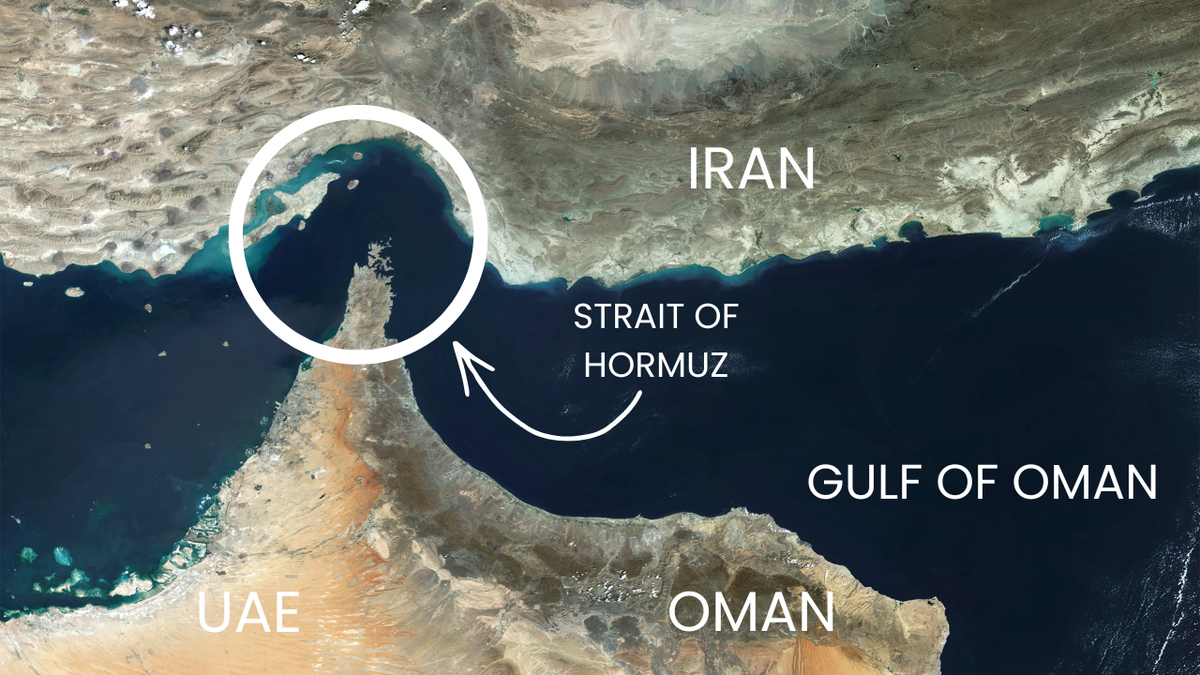
The United Nations' International Maritime Organization (IMO) has issued a stern warning against the implementation of a toll system for ships transiting the Strait of Hormuz, stating that such a move would set a 'dangerous precedent.' This warning follows suggestions from President Donald Trump that the U.S. and Iran might establish a joint venture toll system to secure the waterway and generate revenue. The Strait of Hormuz is a critical global energy choke point, facilitating the transport of approximately 20 million barrels of oil per day and one-fifth of the world's liquefied natural gas.
International opposition to the proposal is growing. Greek Prime Minister Kyriakos Mitsotakis, representing a major global shipping power, described the idea of an Iranian-led 'toll booth' as 'completely unacceptable,' arguing that such fees did not exist prior to the conflict and should not be introduced afterward. Despite these concerns, President Trump has expressed optimism on Truth Social, suggesting that the arrangement would involve 'big money' and assist Iran in its reconstruction process, while maintaining a U.S. military presence in the area to ensure stability. The situation remains tense as the international community weighs the balance between a fragile ceasefire and the legal and economic implications of charging for passage through international straits.
Entities: Donald Trump, Kyriakos Mitsotakis, International Maritime Organization (IMO), United Nations, Strait of Hormuz • Tone: urgent • Sentiment: negative • Intent: inform