05-07-2026
The article describes the harrowing scenes at a makeshift morgue in La Guaira, Venezuela, where families are being forced to identify victims of the country’s twin earthquakes. With the death toll surpassing 2,600, local authorities and forensic workers are overwhelmed, and improvised facilities have been set up to store and process bodies in the absence of adequate infrastructure. Families wait for hours, often after days of searching hospitals, shelters, and collapsed buildings, to confirm whether their loved ones are among the dead.
The identification process is depicted as emotionally devastating and physically distressing. Relatives are directed either to inspect clothing and personal items or to view hundreds of body images on screens, searching for tattoos, scars, teeth, or familiar objects. The article highlights how decomposition in the heat makes recognition increasingly difficult, forcing forensic teams to rely on dental records and other methods. Several individuals are profiled, including women searching for missing relatives and those who have identified family members only after agonizing visual searches.
Beyond the grief, the story also emphasizes bureaucratic delays and the strain on public services. Families must wait for paperwork, death certificates, and transport before bodies can be released for burial or cremation. The piece portrays a humanitarian crisis shaped not only by the earthquakes themselves but by the collapse of systems meant to manage mass fatalities, leaving families in prolonged uncertainty and emotional torment.
Entities: Venezuela, La Guaira, Los Silos, BBC News Mundo, Bolivarian Armed Forces • Tone: emotional • Sentiment: negative • Intent: inform
05-07-2026
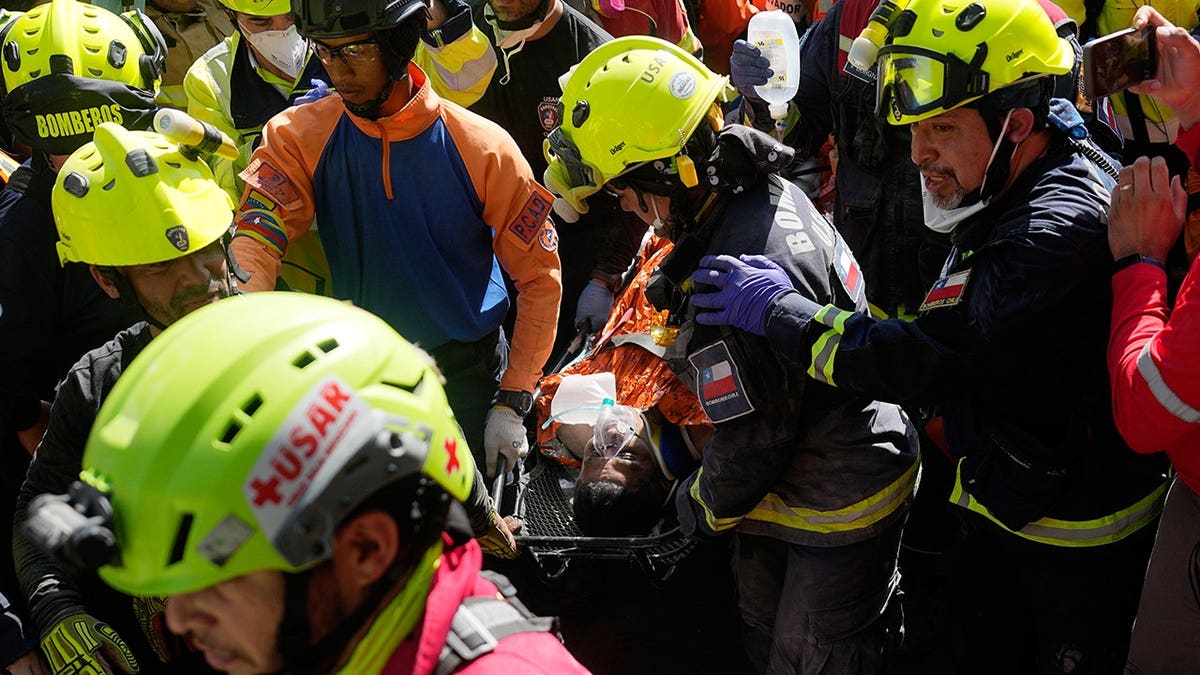
In the aftermath of Venezuela’s deadly twin earthquakes, rescuers pulled security guard Hernan Gil alive from the rubble of a collapsed seven-story building eight days after the disaster, an outcome described by his wife and rescuers as a miracle. The rescue, carried out in Catia La Mar near Caracas, required a coordinated effort from teams representing seven countries and involved several days of painstaking work in dangerous conditions, with adjacent structures at risk of collapsing further. Gil had been in contact with rescuers for days and was reportedly sustained through a syringe while teams worked to reach him. His rescue became a rare moment of hope amid a catastrophe that has left the country overwhelmed.
The article places Gil’s survival in the broader context of a worsening humanitarian crisis. Official figures cited in the story put the death toll near or above 2,295, with more than 11,000 injured, nearly 13,000 homeless, and tens of thousands missing. Across hardest-hit areas like La Guaira, rescuers have largely shifted from life-saving operations to marking buildings with "D" for deceased after finding no signs of life. At the same time, survivors face shortages of food and water, reports of theft, and rising disease risks as health services remain under extreme pressure. International aid, including more than 300 American rescuers and canine teams, continues to search for survivors, but hope is fading even as occasional rescues—such as an infant, a mother and baby, and a small dog—offer brief relief amid widespread destruction.
Entities: Hernan Gil, Gusbimar Gonzalez, Nayib Bukele, Manny Sampang, Dustin Reynolds • Tone: analytical • Sentiment: negative • Intent: inform
05-07-2026
A Venezuelan security guard, Hernán Alberto Gil Flores, was rescued alive on Thursday after spending eight days trapped beneath the rubble of a collapsed shopping center in La Guaira following twin powerful earthquakes that killed more than 2,200 people and injured more than 11,000. Gil Flores had been working an overnight shift at the Galerías Playa Grande shopping center when the first quake hit on June 24. While much of the building collapsed, his security booth remained intact enough to shield him from the debris. Rescuers first detected signs of life over the weekend and then worked for days through aftershocks, heavy rain, and unstable rubble to reach him. They communicated with him using a telescopic camera and kept him alive by lowering water and liquid nutrients through a narrow shaft. His rescue was carried out by a multinational team led by Chilean firefighters and included personnel from Costa Rica, the United States, Portugal, Mexico, and other countries. The article highlights the rescue as a rare moment of hope amid widespread devastation, noting other survivors pulled from the rubble, including a 2-year-old boy and a 9-month-old girl rescued by American teams. The U.S. government has also mobilized $150 million in humanitarian aid for Venezuela.
Entities: Hernán Alberto Gil Flores, Venezuela, La Guaira, Galerías Playa Grande shopping center, twin earthquakes • Tone: neutral • Sentiment: positive • Intent: inform