02-05-2026
US President Donald Trump has claimed that he doesn't need congressional authorization to continue the war with Iran, arguing that past US presidents didn't seek such approval. However, a review of historical records shows a mixed picture, with some presidents seeking congressional approval and others not. The War Powers Resolution of 1973 requires the president to terminate US military action within 60 days unless Congress authorizes its continuation. Trump has argued that the deadline has been paused due to a current ceasefire, but experts disagree. The article examines the actions of previous presidents, including Ronald Reagan, George HW Bush, George W Bush, Bill Clinton, and Barack Obama, in relation to the War Powers Resolution.
Entities: Donald Trump, Iran, United States, Congress, War Powers Resolution • Tone: neutral • Sentiment: negative • Intent: inform
02-05-2026
US President Donald Trump has told Congress that the ongoing ceasefire with Iran means he does not need their approval for the war, arguing that the hostilities have 'terminated'. The War Powers Act requires the president to receive congressional approval within 60 days of notifying lawmakers of military action. Trump claims that the ceasefire has paused the clock on this obligation, despite expert opinions suggesting otherwise. The conflict began with US and Israeli strikes on Iran, killing the country's supreme leader, and Iran's subsequent attacks on Israel and US-allied states. The US and Iran have not yet reached a longer-term peace deal, with Iranian media reporting a new proposal from Tehran sent via Pakistan.
Entities: Donald Trump, Congress, Iran, US, Pakistan • Tone: neutral • Sentiment: negative • Intent: inform
02-05-2026
President Trump has informed Congress that 'hostilities' with Iran have 'terminated', meeting a 60-day deadline under the War Powers Resolution. The conflict began on February 28, 2026, when US forces launched strikes on Iranian targets alongside Israel. Despite a ceasefire in early April, the US continues to enforce a naval blockade on Iranian ports and has threatened to restart strikes. The Trump administration argues that the ceasefire paused the 60-day clock, while some lawmakers disagree. The situation highlights the complexities of the War Powers Resolution and the constitutional role of Congress in authorizing military action.
Entities: Donald Trump, Iran, United States Congress, War Powers Resolution, Mike Johnson • Tone: neutral • Sentiment: negative • Intent: inform
02-05-2026
US President Donald Trump stated that the US could be 'better off' without a deal with Iran, amid ongoing negotiations to end the war. Trump expressed dissatisfaction with Iran's latest proposal and considered it 'treasonous' to say the US is not 'winning' the war. The conflict has resulted in significant human suffering, economic losses, and geopolitical tensions. The US is withdrawing 5,000 troops from Germany, and the Israeli military has warned residents in southern Lebanon to evacuate due to increased attacks.
Entities: Donald Trump, Iran, US, Israel, Lebanon • Tone: negative • Sentiment: negative • Intent: inform
02-05-2026
Two months into the Iran war, the conflict has resulted in significant losses for almost all parties involved. The Iranian people have suffered greatly, with over 3,600 killed, including 1,700 civilians, and a brutal crackdown on dissent by the Iranian regime. The Lebanese people have also been severely impacted, with over 2,500 killed by Israeli strikes. Gulf countries, including the UAE, Iraq, Qatar, and Kuwait, have been affected by Iranian retaliation and the closure of the Strait of Hormuz. The US economy is also suffering, with rising inflation and consumer sentiment plunging. The global economy is expected to grow at a slower rate, with the poorest countries being hit hardest. The war has not achieved its intended goals, and it is unclear when it will end.
Entities: Donald Trump, Iran, United States, Israel, Lebanon • Tone: negative • Sentiment: negative • Intent: inform
02-05-2026
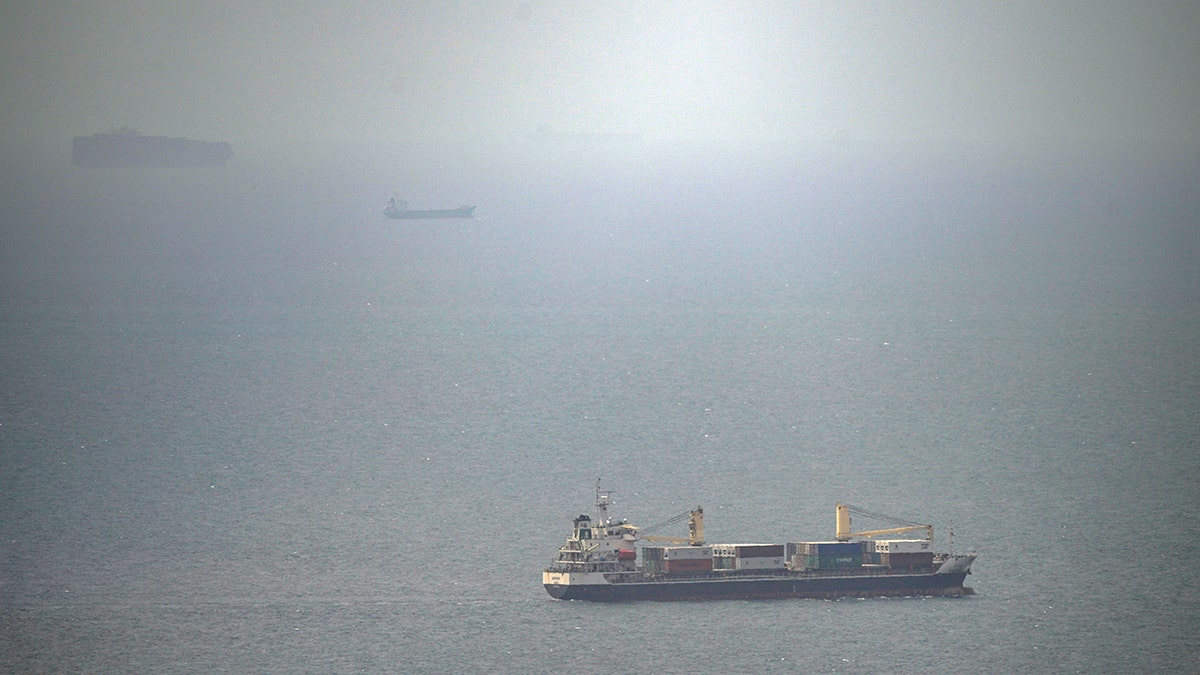
The Strait of Hormuz crisis is escalating tensions between the US and Iran, raising concerns about global famine due to disruptions in food supply chains. Analysts warn that a prolonged closure of the Strait could lead to a Suez-scale, eight-year disruption, impacting global food prices and increasing the risk of famine in poor countries. The US has maintained a naval blockade of Iranian ports, while Iran has effectively closed the Strait. Diplomatic efforts remain fragile, with limited signs of progress.
Entities: Strait of Hormuz, US, Iran, Lars Jensen, Vespucci Maritime • Tone: urgent • Sentiment: negative • Intent: inform