18-09-2026
The article examines how a week-long Houthi offensive in Yemen has expanded the group’s military reach, threatened Saudi Arabia’s oil exports and unsettled global energy markets. The Iran-backed Houthis have seized the Red Sea port of Mokha and nearby islands close to the Bab el-Mandeb strait, a maritime chokepoint through which roughly 12 per cent of global trade passes during peacetime. Their forces are also fighting around Marib, an oil-rich province, threatening Taiz and potentially moving toward Yemen’s oil-producing east.
The Houthis say their attacks are intended to pressure Saudi Arabia to end its blockade of territory under their control. Their new positions allow them to more easily target Saudi-linked ships and tankers, although analysts warn the group could broaden its definition of Saudi connections and disrupt wider global commerce. Shipping traffic through Bab el-Mandeb initially fell from about 35 to 25 daily transits but later recovered to 45, suggesting markets and carriers have not yet fully retreated from the route.
The crisis is complicated by the wider confrontation between Iran and the United States. Washington, which previously bombed Houthi positions, has so far avoided direct involvement. Diplomatic efforts involving Oman, Egypt, Turkey, Saudi Arabia and Pakistan have begun, but a durable agreement may depend on progress in the broader Iran-US dispute over sanctions, the Strait of Hormuz and Iran’s nuclear program.
The offensive has also sharply worsened Yemen’s humanitarian crisis. The UN says about 125,000 people have been displaced, while eight civilians have been killed and 32 wounded in the latest fighting. Yemen’s broader civil war has killed more than 150,000 people and left millions dependent on humanitarian assistance. Only 20 per cent of the UN appeal is funded, while restrictions on aid workers and shortages of food, healthcare, water and protection services threaten civilians trapped by the fighting.
Entities: Houthi movement, Saudi Arabia, Iran, United States, Yemen • Tone: analytical • Sentiment: negative • Intent: analyze
18-09-2026
Oil prices declined by roughly 1% on Friday as markets balanced renewed Saudi-Houthi attacks against indications that Saudi Arabia may be able to maintain some crude exports to Asian customers. Brent crude futures fell 0.94% to $103.83 per barrel, while U.S. West Texas Intermediate declined 0.88% to $101.01.
The latest attacks across the Saudi-Yemeni border increased concerns that the expanding Middle East conflict could further disrupt energy supplies. Those concerns come after the United States and Israel attacked Iran in February and as regional energy infrastructure remains under pressure. Houthi attacks had contributed to the closure of a key Saudi pipeline, raising fears of a larger supply interruption.
However, reports that Saudi Arabia had identified alternative routes through Oman to deliver crude to Asian buyers helped calm the market. The prospect of continued exports reduced the amount of supply traders considered immediately vulnerable and contributed to a partial reversal of oil’s geopolitical risk premium.
Simon-Peter Massabni, head of business development at XS.com, said the price decline reflected improved export logistics rather than a fundamental change in oil-market conditions. He noted that prices depend not only on how many barrels are available, but also on the likelihood that supplies will be disrupted.
Massabni said the regional supply network remains vulnerable, particularly around the Strait of Hormuz, export routes and oil terminals. The speed at which Saudi Arabia can restore its East-West pipeline will also be important. In the near term, he expects geopolitical developments to influence oil prices more strongly than traditional supply-and-demand indicators. Continued Saudi shipments to Asia and progress on pipeline repairs could push prices lower, while fresh disruptions could quickly restore the market’s risk premium.
Entities: Brent crude futures, West Texas Intermediate (WTI), Saudi Arabia, Yemen, Iran-backed Houthis • Tone: analytical • Sentiment: neutral • Intent: analyze
18-09-2026
Saudi Arabia is facing a serious strategic and economic problem after the United States declined to intervene militarily against the Iran-aligned Houthi militia in Yemen. The Houthis have seized Yemen’s entire Red Sea coast and tightened a blockade affecting Saudi Arabia’s backup maritime trade route to Asia. Riyadh is reportedly working urgently to assemble a coalition capable of protecting commercial shipping in the Red Sea while also defending the kingdom from further Houthi attacks.
The crisis is compounded by Iran’s reported blockade of the Strait of Hormuz, Saudi Arabia’s primary route for exporting oil and petrochemicals from the Gulf. With both Hormuz and the Red Sea route under threat, the kingdom’s ability to move energy exports has been severely constrained. US President Donald Trump reportedly dismissed the Houthi seizure of the Yemeni coast on September 12, describing it as an issue that “only affects one country.”
That position has alarmed Saudi leaders, according to Michael Ratney, a former US ambassador to Saudi Arabia. Ratney characterized Riyadh as deeply disturbed and frustrated by Washington’s refusal to provide military assistance. The US stance also contrasted with the immediate economic consequences facing Saudi Arabia. On the same day Trump expressed confidence that the situation would be resolved, Saudi Arabia suspended oil exports through the Red Sea after drone strikes by Iran-allied Iraqi militias damaged the east-west pipeline.
The pipeline had allowed Saudi Arabia to bypass the Strait of Hormuz since the war with Iran began on February 28. Its damage therefore removed an important alternative export route just as the kingdom was confronting simultaneous maritime threats in the Red Sea and the Gulf. The article presents Saudi Arabia’s predicament as both a security crisis and a major challenge to its energy-export strategy.
Entities: Saudi Arabia, United States, Donald Trump, Houthi militia, Iran • Tone: urgent • Sentiment: negative • Intent: inform
18-09-2026
The article examines Saudi Arabia’s efforts to obtain Western and European support as Houthi forces intensify their offensive in Yemen and threaten shipping through the Bab Al Mandeb strait. It argues that Riyadh is unlikely to receive substantial direct military intervention because Western governments face both limited military capacity and weak political appetite for another major regional operation.
The United States is heavily engaged in an operation to reopen the Strait of Hormuz and is therefore unlikely to divert significant forces to the Red Sea. Britain has HMS Dragon, a Type 45 air-defence destroyer, and the support ship Lyme Bay in the region, but officials reportedly believe that additional deployments are not politically expedient and that the military has limited resources available. Analysts also say European governments have little interest in a ground intervention in Yemen or in becoming directly involved in what they may portray as someone else’s war.
Saudi Arabia is expected to focus on improving air defences, protecting its territory and shipping routes, and supporting Yemen’s internationally recognised government. Although Saudi Arabia has enough aircraft to conduct around 60 sorties a day, analysts say it lacks the satellite and electronic intelligence needed to identify targets effectively. Western personnel are discreetly discussing possible assistance with Riyadh, while Britain has offered only a general commitment to regional stability.
The article presents a possible role for Europe in limited air strikes against Houthi military sites, potentially framed as protecting European economies from rising energy costs and prolonged disruption. However, experts say the political conditions for a significantly expanded European military role do not currently exist. The situation is linked to wider regional tensions involving Iran, the Strait of Hormuz, energy security, and Red Sea shipping.
Entities: Saudi Arabia, Houthi movement, Yemen, Strait of Hormuz, Bab Al Mandeb strait • Tone: analytical • Sentiment: negative • Intent: inform
18-09-2026
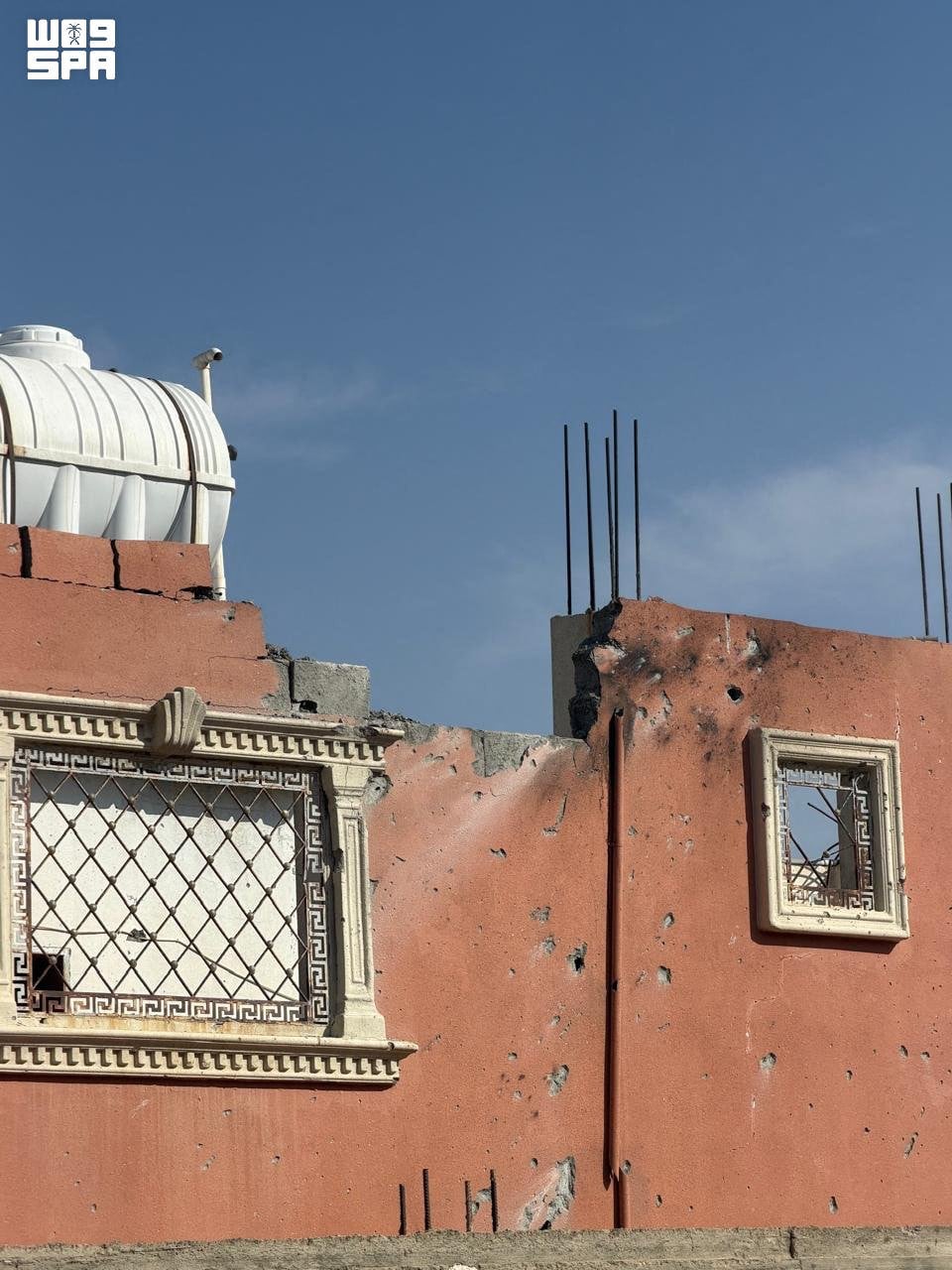
The article examines how Yemen’s Houthi rebels have rapidly expanded their military capabilities and become more emboldened amid a widening regional conflict. An intensified Houthi offensive against Saudi Arabia, combined with the group’s seizure of Yemen’s western coast, has reportedly displaced at least 125,000 civilians and given the Houthis unprecedented access to the Bab Al Mandeb strait, a crucial maritime chokepoint for global shipping.
The developments come as the Strait of Hormuz remains effectively closed because of the war between the United States and Iran. Violence around both waterways has disrupted the movement of oil, commercial goods and humanitarian aid, increasing threats to global shipping and energy supplies. The article also reports that the Houthis attacked Saudi targets, including Makkah, while an East-West pipeline was struck from Iraq. At the same time, pro-government forces in Yemen have suffered significant losses.
In the Beyond the Headlines podcast episode, host Nada AlTaher investigates how the Iran-backed group was able to make such sweeping gains within days. The discussion focuses on the factors behind the Houthis’ growing ability to conduct offensives, the consequences of their control over territory near the Bab Al Mandeb, and the likelihood that the confrontation will escalate further.
AlTaher speaks with Baraa Shiban, a political analyst on Yemen at the Royal United Services Institute, and Cinzia Bianco, a Gulf expert and visiting fellow at the European Council on Foreign Relations. Their analysis places the Houthi advance within the broader US-Iran war and considers whether the current escalation will eventually subside or develop into a larger regional crisis.
Entities: Houthis, Yemen, Saudi Arabia, Bab Al Mandeb strait, Strait of Hormuz • Tone: urgent • Sentiment: negative • Intent: analyze
18-09-2026
Italy plans to deploy warships to protect its commercial vessels passing through the Bab al-Mandeb strait, according to Defence Minister Guido Crosetto. Rome intends to act without waiting for a coordinated European Union decision, arguing that bureaucratic delays could worsen an already dangerous situation. Crosetto warned that the waterway becoming impassable would have severe economic consequences.
Bab al-Mandeb connects the Red Sea with the Gulf of Aden and the Indian Ocean, making it a crucial maritime corridor between Europe and Asia. The article says that roughly 12 to 15 percent of global trade has historically passed through the strait, including oil, gas and container traffic moving to and from the Suez Canal. At its narrowest point, the waterway is about 30km wide and lies between Yemen and the African countries of Djibouti and Eritrea.
The strait’s strategic significance has increased following Iran’s alleged control of the Strait of Hormuz during its war with the United States and Israel. With Hormuz effectively blocked, Gulf oil shipments have been redirected toward alternative routes, including pipelines and Red Sea shipping. Saudi Arabia has reportedly relied more heavily on these alternatives, making Bab al-Mandeb one of the last major routes for Gulf oil to reach international markets.
Control of the waterway has long been contested amid Yemen’s conflict, which began in 2015. The article reports that the Iran-backed Houthi movement recently captured Yemen’s entire western Red Sea coast and several nearby islands, giving the group broad access to Bab al-Mandeb. This development is described as a major setback for international shipping because of the Houthis’ history of attacking vessels linked to the United States and its regional allies. The United States and European Union have conducted military operations to protect merchant ships, but those efforts have not fully secured the route as fighting has intensified.
Entities: Italy, Guido Crosetto, Bab al-Mandeb strait, Red Sea, Gulf of Aden • Tone: urgent • Sentiment: negative • Intent: inform