30-11-2025
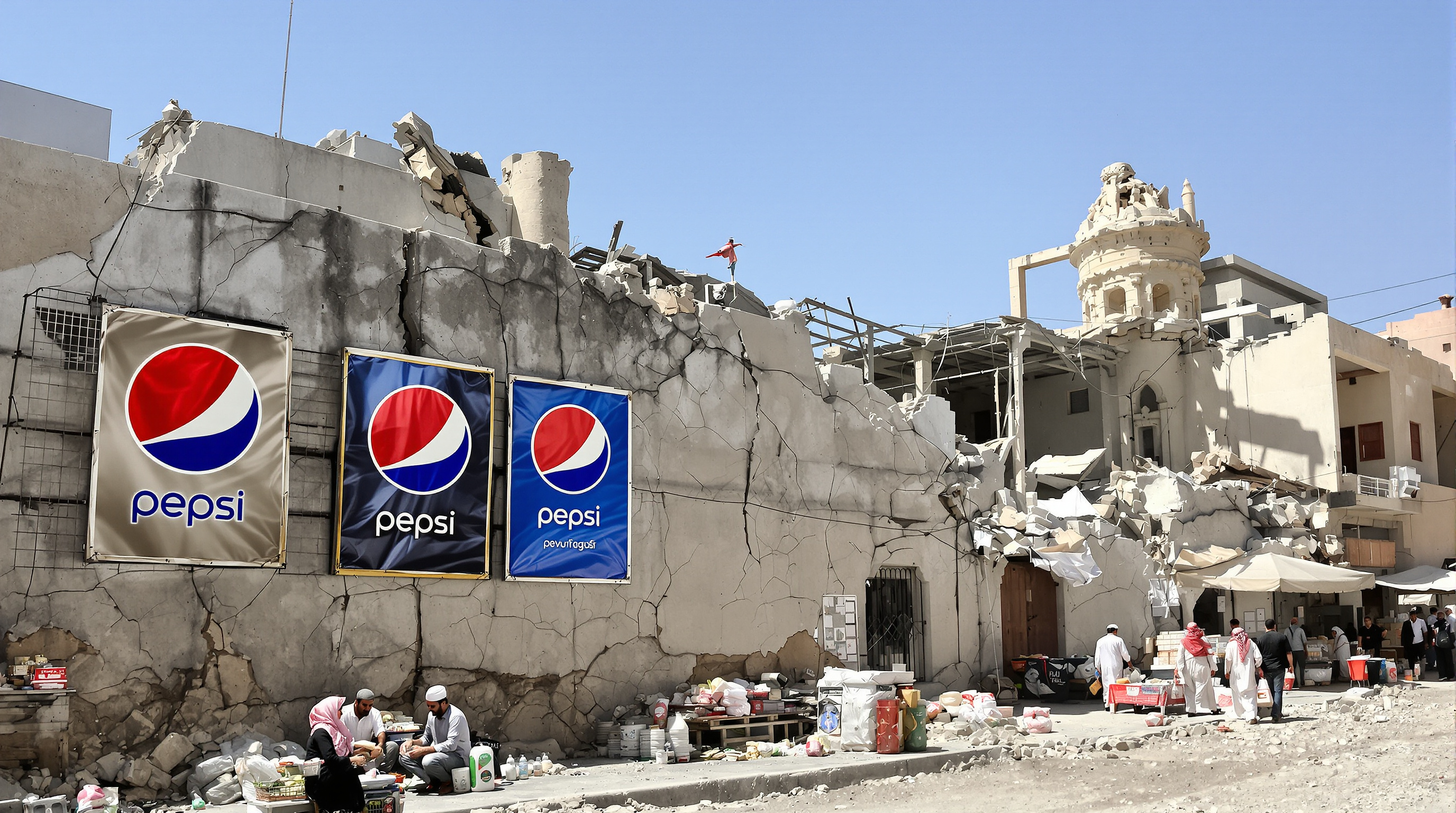
The article discusses how Pepsi has become the dominant soft drink in the Middle East, surpassing Coca Cola. The success is attributed to a combination of random chance and Pepsi's ability to navigate the region's complex politics. The article highlights how Pepsi has managed to establish itself in countries such as Iraq and Lebanon, where it is widely available. The dominance of Pepsi in the region is seen as an exception to the global trend, where Coca Cola is usually the leading brand.
Entities: Pepsi, Coca Cola, Middle East, Baghdad, Beirut • Tone: analytical • Sentiment: neutral • Intent: inform
30-11-2025
The Economist's Middle East & Africa section covers various news stories, including Pepsi's dominance over Coca Cola in the region, China's aid to Africa, and the ongoing conflicts in Yemen and Guinea-Bissau. Other articles discuss Iran's nuclear deal, Israel's defense exports, and the economic challenges faced by African countries. The section also features an interview with Iran's foreign minister, Abbas Araghchi.
Entities: Pepsi, Coca Cola, Middle East, China, Africa • Tone: neutral • Sentiment: negative • Intent: inform
30-11-2025
The article discusses the author's recent visit to Tehran, Iran, where they observed a city that was drabber and less vivacious than during their previous visit six years ago. The author attributes this to various factors, including the presence of minders who restricted their access to the city and its people. The author reflects on the contrast between their current and previous experiences in Tehran, highlighting the limitations imposed by the authorities and the impact on their understanding of the city. The article also touches on the Iranian regime's restrictions on media access and the consequences of controlling the narrative.
Entities: Tehran, Iran, Adam Roberts, The Economist, Prophet Muhammad • Tone: negative • Sentiment: negative • Intent: critique
30-11-2025
The Houthis in Yemen have resumed threats against Saudi Arabia amid a financial crisis, potentially backed by their brinkmanship with the new Donald Trump administration in the White House. The unresolved war across Saudi Arabia's southern border remains a concern, with recent air-raid sirens in Riyadh serving as a reminder. The Houthis' actions could backfire given the changed political landscape in the US.
Entities: Houthis, Saudi Arabia, Yemen, Donald Trump, White House • Tone: analytical • Sentiment: negative • Intent: inform
30-11-2025
The article discusses the killing of Haytham Ali Tabatabai, a Hizbullah commander, in an Israeli air strike in southern Beirut, highlighting the fragility of ceasefire agreements in Gaza and between Israel and Iran. The incident underscores the tense situation in the Middle East, with various groups and countries navigating complex political and military dynamics. The article suggests that the killing could have significant implications for the region, potentially destabilizing the already fragile truce.
Entities: Hizbullah, Haytham Ali Tabatabai, Israel, Gaza, Iran • Tone: analytical • Sentiment: negative • Intent: inform
30-11-2025
The Economist interviewed Abbas Araghchi, Iran's foreign minister, in Tehran on November 19th. The conversation covered various topics related to Iran's foreign policy and regional issues. Araghchi shared his insights on the current state of affairs in the Middle East and Iran's stance on key issues.
Entities: Abbas Araghchi, Iran, Tehran, The Economist, Middle East • Tone: neutral • Sentiment: neutral • Intent: inform