30-11-2025
China's factory activity contracted for the eighth consecutive month in November, with the manufacturing PMI standing at 49.2. Despite a slight improvement in business sentiment, external headwinds and weak domestic demand continued to affect the economy. The new orders sub-index rose to 49.2, and the production sub-index increased to 50. Huo Lihui, chief statistician of the National Bureau of Statistics' service industry survey centre, noted that both supply and demand sides of the manufacturing industry had strengthened.
Entities: China, National Bureau of Statistics, Huo Lihui, Wind, Beijing • Tone: neutral • Sentiment: negative • Intent: inform
30-11-2025
The article discusses how Chinese consumers no longer feel that boycotting Japanese products is worth it due to a seismic shift in China's consumer market. Domestic brands have gained popularity, making Japanese products less desirable. The trend is driven by increased competition from local rivals, making international brands, including Japanese ones, less appealing. Chinese consumers now prefer Chinese fashion, locally branded appliances, and domestically made cars. The article cites analysts and industry insiders who say the era of Chinese consumers chasing foreign luxury and premium names is over.
Entities: China, Japan, Sanae Takaichi, Taiwan, Chinese consumers • Tone: neutral • Sentiment: neutral • Intent: inform
30-11-2025
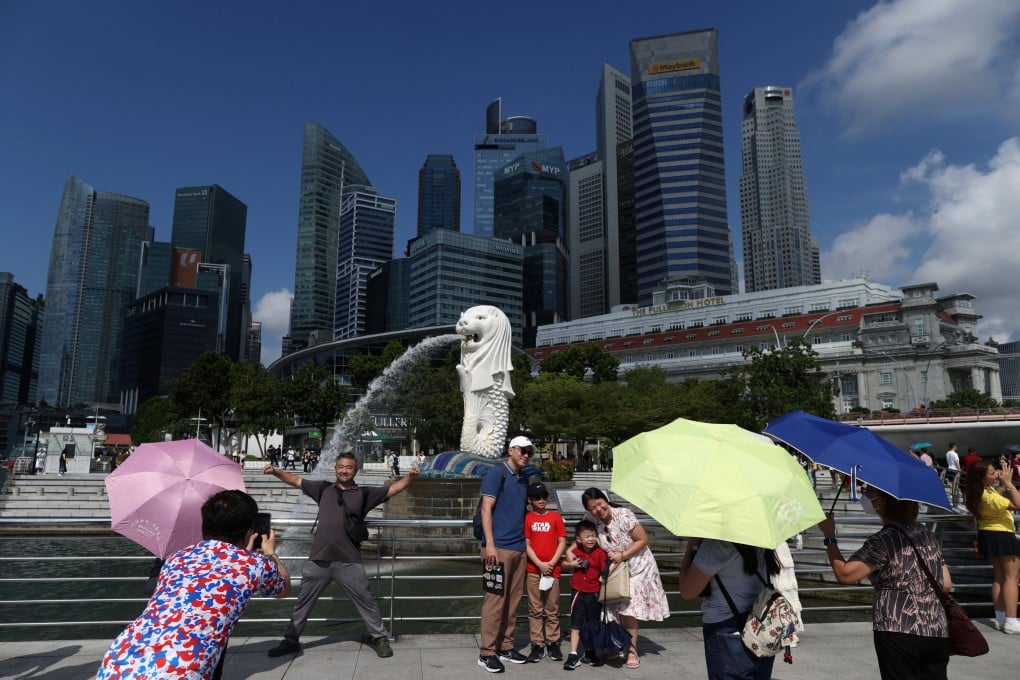
The diplomatic fallout between Tokyo and Beijing has led to a decline in Chinese tourists visiting Japan, with many opting for alternative destinations like Singapore instead. Chinese travelers are deterred by the potential risks and unfriendliness towards them in Japan, following comments made by Japanese Prime Minister Sanae Takaichi that infuriated Beijing. Travel agents report that Southeast Asian countries, including Singapore, are benefiting from the boycott, with tourists drawn to their ease and comfort.
Entities: Sanae Takaichi, Japan, Beijing, China, Taiwan • Tone: neutral • Sentiment: negative • Intent: inform
30-11-2025
Japanese singer Maki Otsuki was forced to stop her performance mid-show in Shanghai due to a diplomatic spat between Japan and China. The cancellation is the latest in a series of cultural events affected by the strained relations between the two countries. The tensions escalated after Japanese Prime Minister Sanae Takaichi's remarks suggesting Tokyo could intervene militarily in any attack on Taiwan, which China claims as its territory.
Entities: Maki Otsuki, Japan, China, Shanghai, Sanae Takaichi • Tone: negative • Sentiment: negative • Intent: inform