28-09-2026
CNBC’s Daily Open examines the limited results of Chinese President Xi Jinping’s visit to Washington and the market implications of rising geopolitical and borrowing-cost pressures. The U.S. and China agreed to reduce tariffs on $30 billion of goods and begin an artificial-intelligence dialogue, but made no specific purchase commitments; their trade-truce extension also fell short of expectations. The leaders discussed Iran, nuclear weapons and international waterways, while Iranian Foreign Minister Abbas Araghchi warned that Tehran was prepared for a “doomsday” war even as he said he remained open to diplomacy. The conflict and the risk to oil shipments through the Strait of Hormuz have contributed to constrained global supply and inflation concerns. Separately, British police arrested five men near an air base used in U.S. strikes on Iran, on suspicion of terrorism and explosives offenses.
Markets opened the week cautiously: stock futures slipped, Treasury yields reached their highest levels since 2007, and oil prices rose after President Donald Trump rejected Iran’s ceasefire conditions. Higher borrowing costs could make the already enormous AI infrastructure buildout more expensive to finance. On technology and U.S.-China relations, Beijing may allow ByteDance and Alibaba to purchase Nvidia’s RTX PRO 5500 chips, according to a report cited by CNBC—an indication of a possible, limited easing in restrictions. Anthropic CEO Dario Amodei, who missed the state dinner for Xi, was instead due to have a private dinner with Trump.
The article also notes China’s upcoming report on industrial profits, which are under pressure from higher commodity costs and weak domestic demand. In a final item, it describes South Korean President Lee Jae Myung’s renewed push to discuss transferring wartime operational control of allied forces to South Korea, amid concerns about military readiness after Trump curtailed a joint exercise.
Entities: Xi Jinping, Donald Trump, Abbas Araghchi, Anniek Bao, Lee Jae Myung • Tone: analytical • Sentiment: neutral • Intent: inform
28-09-2026
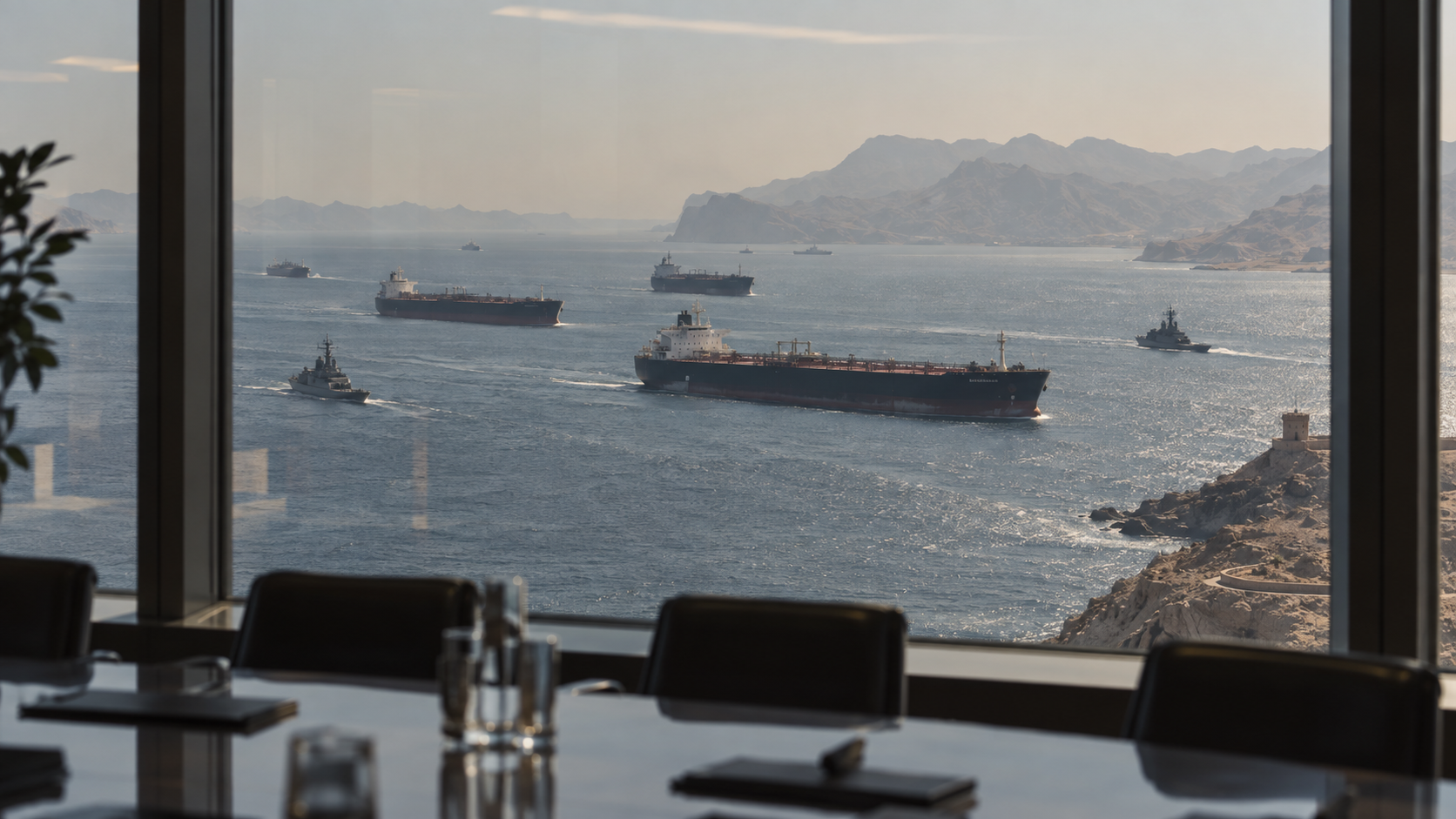
Oil prices rose in Asian trading on Monday after U.S. President Donald Trump rejected Iran’s latest proposal for ending the conflict and reopening the Strait of Hormuz. November U.S. crude futures climbed 1.69% to $94.10 a barrel, while Brent crude rose 2.65% to $106.96. The Strait is a key shipping route, and its potential reopening is central to concerns about oil supply and prices.
The Wall Street Journal reported, citing unnamed U.S. officials, that Trump had rejected Iran’s conditional offer and told aides he expected U.S. strikes on Iran to resume after November’s midterm elections. Trump later confirmed his decision to reporters, saying, “They made a proposal but I rejected it.” Separately, a Saudi-led coalition in Yemen said it had intercepted projectiles launched by Iran-backed Houthi rebels.
Iranian Foreign Minister Abbas Araghchi had offered to reopen the shipping route and restart nuclear negotiations with Washington within seven days, provided the Trump administration accepted Tehran’s conditions. Those conditions, as described by Iranian Foreign Ministry spokesman Esmaeil Baghaei, included an end to what Iran calls U.S. acts of aggression, the lifting of the naval blockade and economic warfare, and the release of Iranian assets. Araghchi presented the offer on the sidelines of the United Nations General Assembly in New York.
The article notes that Trump had earlier predicted the conflict, which began with U.S. and Israeli airstrikes on Iran on February 28, would end soon after the midterm elections. Oil prices had declined following that earlier expectation. The report presents renewed uncertainty about the conflict and the Strait of Hormuz as the immediate backdrop to Monday’s price increases.
Entities: Donald Trump, Iran, Abbas Araghchi, Esmaeil Baghaei, The Wall Street Journal • Tone: analytical • Sentiment: negative • Intent: inform
28-09-2026
US President Donald Trump said he expects negotiations with Iran to resume next week, even after rejecting Tehran’s proposal for a seven-day truce and the reopening of the Strait of Hormuz. In an interview with Axios, Trump said Iran wants a deal but is seeking terms he would not accept, adding that Tehran had “overplayed their hand.” Axios, citing sources familiar with the matter, reported that indirect talks could begin as early as Monday. Trump has also raised the possibility of renewed US air strikes against Iran.
Iran continues to make reopening the Strait conditional on meeting its demands. Foreign Minister Abbas Araghchi said Tehran’s proposal called for an end to hostilities across the Middle East, including in Lebanon, and a return to terms from an earlier ceasefire agreement. That agreement included releasing frozen Iranian assets, lifting sanctions on Iranian oil, and ending the US naval blockade. Araghchi said Iran remained open to diplomacy but would not abandon its conditions. US Ambassador to the UN Mike Waltz characterized Iran’s demands as excessive and questioned whether Washington could trust another negotiation after a previous effort collapsed.
The Strait of Hormuz, a critical route for global energy supplies, remains at the center of the conflict. The article describes a stalemate around the Gulf while fighting continues in Yemen. Iran’s Revolutionary Guards also said they had seized an American submersible drone in the strait, alleging it was being used for espionage.
A June memorandum of understanding between Washington and Tehran, intended to end the war, reopen the strait, and begin nuclear talks, broke down after Iran fired on commercial ships it accused of straying from authorized routes. Iran says vessels need its permission to pass for security and sovereignty reasons; the United States has periodically bombed Iranian coastal areas in response. Tehran says it conveyed its seven-day plan through Qatar and has also demanded an end to hostilities in Yemen.
Entities: Donald Trump, Abbas Araghchi, Mike Waltz, Hossein Mohebi, United States • Tone: analytical • Sentiment: neutral • Intent: inform
28-09-2026
The supplied material does not contain the body of the Al Jazeera liveblog. It includes a headline—“Iran war live: Tehran open to ‘real diplomacy’, ready for ‘apocalyptic war’”—and website clutter indicating “22 Updates,” along with an alert prompt and advertisements. As a result, there is not enough article text to provide a comprehensive account of the live updates, identify what events or statements were reported, or explain their context. The headline frames the story around an apparent contrast: Tehran is described as open to diplomacy while also prepared for an extreme escalation of war. It also signals tensions related to the Strait of Hormuz and identifies the broader subject as the US-Israel war on Iran. These are headline-level indications only; the supplied text does not establish who made the statements, when or where they were made, what developments prompted them, or how other parties responded. The “22 Updates” label suggests the original page was a liveblog with multiple entries, but none of those entries are present in the provided content. Accordingly, any fuller summary would require inventing details not supported by the source text. The headline’s wording conveys urgency and a grave, conflict-focused framing, while the primary apparent purpose is to inform readers about the war and related diplomacy and maritime tensions. The analysis below is therefore limited to the headline and the small amount of page text supplied.
Entities: Iran, Tehran, United States, Israel, Strait of Hormuz • Tone: urgent • Sentiment: negative • Intent: inform