27-09-2026
The report says Iran is still waiting for an official response from the United States to its proposal to reopen the Strait of Hormuz within seven days. Iran’s Foreign Minister, Abbas Araghchi, made the comments after US President Donald Trump said he had rejected the plan. The account therefore describes a difference between Iran’s stated position—that it is awaiting an official US response—and Trump’s public statement that he had rejected the proposal.
The article does not provide details about the proposal’s terms, the circumstances of Trump’s rejection, or the identity and role of the mediators referenced in the headline. It also does not say whether the two governments have communicated through another channel or what might happen next. Its focus is limited to Araghchi’s remarks and the proposal’s stated aim and deadline: reopening the Strait of Hormuz within seven days. The report presents these developments as a brief update on Iran-US exchanges concerning the strategically important waterway, without offering background, analysis, or reaction from other parties.
Entities: Abbas Araghchi, Donald Trump, Iran, United States, Strait of Hormuz • Tone: neutral • Sentiment: neutral • Intent: inform
27-09-2026
US President Donald Trump has rejected Iran’s seven-day proposal to end the war and reopen the Strait of Hormuz, arguing that Tehran is seeking a deal because it is losing. Iran’s Foreign Minister Abbas Araghchi said Tehran had seen Trump’s initial reaction but had not received a formal response through mediators. Qatar has helped facilitate contacts between the sides during the UN General Assembly meeting in New York.
Iran’s proposal called for the US to lift its naval blockade of Iranian ports, waive sanctions on Iranian oil sales, release about $12 billion in frozen assets and support a broader regional ceasefire, including in Lebanon and Yemen. Iran would then reopen Hormuz and negotiate a final agreement. The proposal resembles a June memorandum of understanding that collapsed last month amid disagreements, followed by intensified attacks around the strait.
Experts say Trump may believe continued economic pressure will force Iran to offer better terms. The US has tightened its blockade and sanctions, targeting oil revenues, aviation and international business with Tehran. Some see a possible parallel with the pressure that preceded the 2015 Iran nuclear deal. However, delay carries risks for Trump: public opposition to the war is high, energy and transport costs could rise, and Republicans face vulnerable midterm elections. Iran might respond to rejection by escalating rather than conceding.
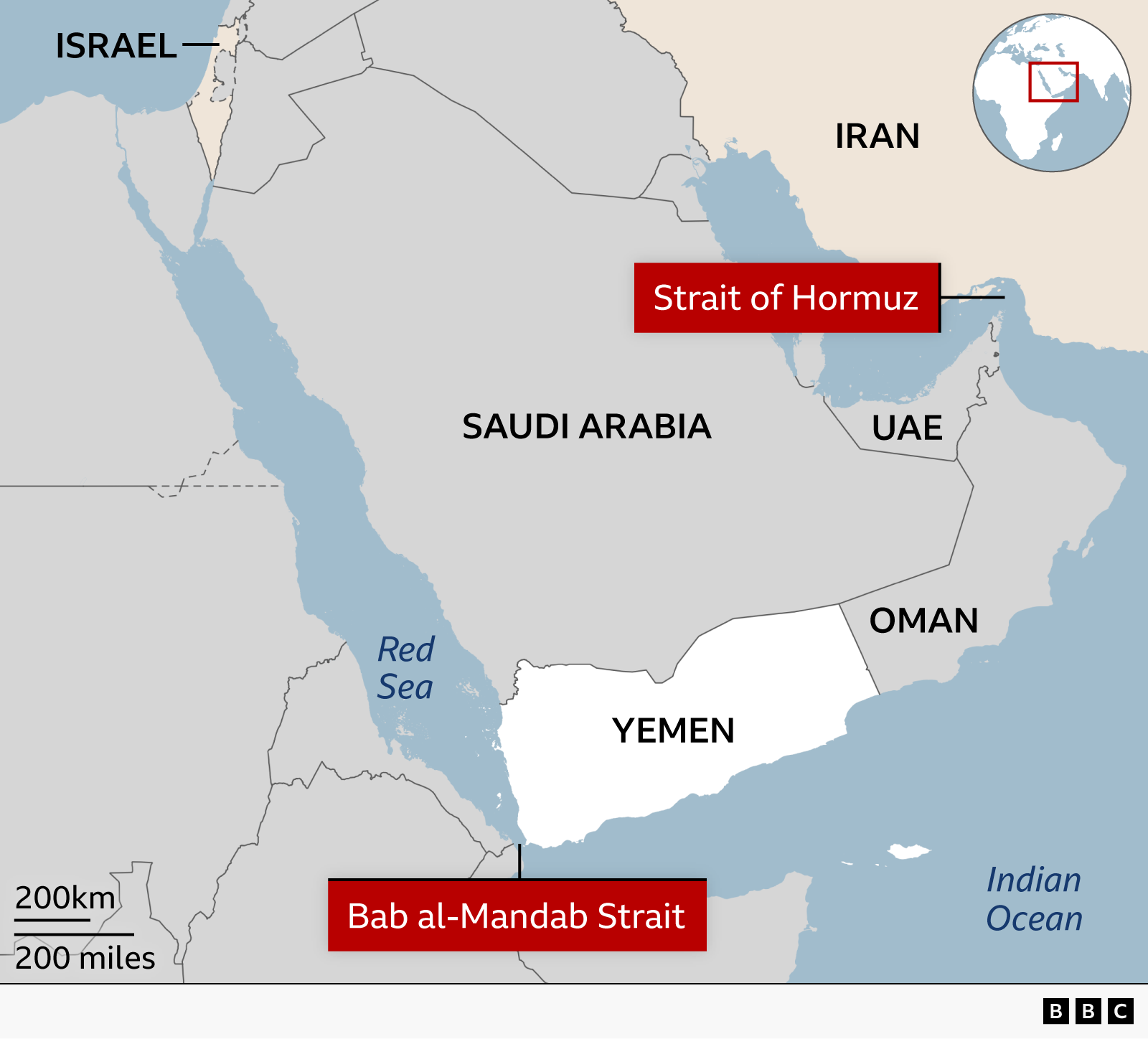
The article emphasizes that pressure cuts both ways. Disruption of Hormuz affects Gulf energy exports and could spread to Bab al-Mandeb, where Iran-aligned Houthis have expanded their position and threatened shipping. Analysts warn Trump may mistake Iranian economic hardship for readiness to capitulate. Tehran may calculate that Gulf states, global markets and the US president have less tolerance for prolonged disruption than Iran has for economic punishment.
Entities: Donald Trump, Iran, Abbas Araghchi, Qatar, United States • Tone: analytical • Sentiment: neutral • Intent: analyze
27-09-2026
Al Jazeera’s Mohammad Qasem reports on diplomatic developments as the United Nations General Assembly concludes a week described as one of the biggest for diplomacy, but with mixed outcomes. The central issue in the report is whether these efforts have advanced the prospects of ending the US-Iran war. The article says US President Donald Trump rejected Iran’s latest proposal, which would have reopened the Strait of Hormuz. It does not provide details about the proposal, Trump’s reasons for rejecting it, or the consequences of the decision, so the extent of any effect on negotiations is not specified.
The report also notes other developments in international relations during the same period. Russia and Germany have re-established high-level talks, while China has criticized Washington’s approach to the region. These events broaden the diplomatic context, but the supplied article does not explain whether they are directly connected to efforts to end the war or describe the substance of the talks and criticism.
Overall, the article presents a brief overview of notable diplomatic moves rather than evidence of a concrete breakthrough. Its framing is cautious: the General Assembly’s outcomes are characterized as mixed, and the headline poses the question of whether diplomacy made headway rather than asserting that it did. The available text does not report a ceasefire, an agreement, or a resolution to the conflict. It identifies several relevant actions and positions, leaving the degree of progress toward ending the war unresolved.
Entities: Mohammad Qasem, Donald Trump, Al Jazeera, United Nations General Assembly, United States • Tone: analytical • Sentiment: neutral • Intent: inform
27-09-2026
The supplied material does not include the body of the Al Jazeera liveblog. It contains a headline, a URL, and a short block of website interface and advertising text, so the events, evidence, and updates reported in the article cannot be summarized reliably. The headline says that Tehran vows not to back down and that Donald Trump rejects a plan concerning the Strait of Hormuz. It frames the story as part of the US-Israel war on Iran and labels the page as a live news report. The supplied page text also indicates “23 Updates,” but none of those updates or their timestamps, sources, or details are included. Consequently, no further claims can be made about Iran’s official response, the proposed Hormuz plan, military developments, diplomatic efforts, or the positions of other parties. The assessment below is therefore limited to the headline and the visible page text. The clean version retains those elements while removing advertising and promotional interface language. The tone, sentiment, and intent labels describe the headline’s framing rather than the unavailable full article. To produce a comprehensive summary and preserve the article’s actual reporting, the liveblog updates or full article text would need to be provided.
Entities: Iran, Tehran, Donald Trump, Strait of Hormuz, Hormuz plan • Tone: urgent • Sentiment: negative • Intent: inform
27-09-2026
Al Jazeera reports that Iranian President Masoud Pezeshkian told the outlet that Iran no longer trusts negotiations with the United States. He cited previous negotiations that, in Iran’s view, were followed by attacks and sanctions. The article places his remarks shortly before US President Donald Trump rejected an Iranian proposal to reopen the Strait of Hormuz within seven days. It does not provide further details about the earlier negotiations, the attacks or sanctions Pezeshkian referenced, or Trump’s reasons for rejecting the proposal. Nor does it describe what would happen next regarding talks or the strait. The report’s central point is the contrast between Tehran’s stated lack of confidence in negotiations with Washington and the dispute over Iran’s proposed seven-day timeline for reopening the strategic waterway. The item is brief and presents Pezeshkian’s comments and the reported sequence of events without extended analysis or additional responses from US officials.
Entities: Masoud Pezeshkian, Donald Trump, Iran, Tehran, United States • Tone: neutral • Sentiment: negative • Intent: inform
27-09-2026
Iranian Foreign Minister Abbas Araghchi said that only a negotiated solution can end the conflict with the United States, after President Donald Trump rejected Tehran’s proposal to reopen the Strait of Hormuz to commercial shipping. Trump called the proposal unacceptable and said Iran wanted a deal within seven days because it was losing the conflict. Araghchi said Iran was awaiting a definitive official US response through mediators, noting that Trump had made contradictory statements. He said the proposal’s conditions were those set out in a June memorandum of understanding (MOU), and that Iran had raised reopening the strait and ending hostilities during talks alongside the UN General Assembly in New York.
The strategic waterway, normally used to transport about a fifth of the world’s gas and oil, has been effectively closed since the war began in February. Iranian President Masoud Pezeshkian told CBS that distrust caused by the war must be overcome for negotiations to succeed. He said Iran was open to implementing the MOU in stages, but wanted assurance that the US did not intend to overthrow its government. He also accused Trump of repudiating the agreement when US bombing resumed. Asked about Supreme Leader Mojtaba Khamenei, who was reportedly injured in the strike that killed his father, Pezeshkian said he had met him twice and that he had no specific ongoing health problems.
Oman, acting as a mediator, urged all parties to maintain dialogue and cooperate to protect navigation. US ambassador to Nato Matthew Whitaker supported Trump’s rejection, describing Iran’s offer as a set of “half measures”. Treasury Secretary Scott Bessent said US sanctions were hurting Iran, citing flight suspensions and halted bank transactions in Turkey and the United Arab Emirates. The administration calls its economic pressure campaign “Operation Economic Outcast”. However, economists questioned whether the sanctions would work, particularly given China’s continued role as the largest buyer of Iranian oil despite previous US sanctions.
Entities: Abbas Araghchi, Donald Trump, Masoud Pezeshkian, Mojtaba Khamenei, Strait of Hormuz • Tone: analytical • Sentiment: negative • Intent: inform
27-09-2026
US President Donald Trump has rejected an Iranian proposal to reopen the Strait of Hormuz to commercial shipping within seven days, despite Tehran saying the proposal follows a memorandum of understanding (MOU) signed by the two countries in June. Trump said Iran wanted an immediate reopening because it was losing the war, but argued that its proposed deal was unacceptable. Iran’s Foreign Minister Abbas Araghchi said Tehran would wait for mediators’ definitive response before deciding what to do. He maintained that the conditions Iran described were already in the MOU and that the United States must choose whether to proceed under it. President Masoud Pezeshkian also said the strait could return to normal operations if Washington agreed to the MOU’s terms.
The 14-point MOU was intended to establish a ceasefire and partly reopen the strait. It included a commitment that Iran would not obtain a nuclear weapon, an end to military operations on all fronts, and provisions concerning US sanctions and its naval blockade. The agreement collapsed when both sides resumed attacks. The strait, through which about one-fifth of the world’s oil and gas usually passes, has been effectively closed since the war began in February, disrupting shipping and causing energy-price fluctuations.
The article reports that the US has continued its blockade of Iranian ports and struck Iranian sites and tankers, while Iran has attacked Israel, US bases and vessels attempting to cross the strait without authorisation. Shipping data indicates that traffic remains far below normal. Meanwhile, Houthi attacks on Saudi oil infrastructure and advances along Yemen’s Red Sea coast have added another threat to regional shipping. US media reports that Saudi leaders have sought military support from Trump. The conflict’s economic consequences and approaching US congressional elections are adding pressure on Trump to find a way to end the war, although he has raised the prospect of renewed bombing and made threats against Iran.
Entities: Donald Trump, Abbas Araghchi, Masoud Pezeshkian, Kirsten Fontenrose, United States • Tone: analytical • Sentiment: negative • Intent: inform
27-09-2026
The live update reports escalating conflict and diplomatic maneuvering surrounding Iran’s closure of the Strait of Hormuz. President Donald Trump rejected Iran’s latest proposal to reopen the waterway and resume talks on its nuclear program. Iran’s President Masoud Pezeshkian said Tehran could allow U.N. nuclear inspectors into the country under a potential long-term ceasefire, while Foreign Minister Abbas Araghchi said Iran was awaiting a definitive response through mediators and would decide what to do based on it. Iran’s proposal reportedly called for an end to hostilities across the Middle East, including Lebanon, and fulfillment of conditions from an earlier ceasefire agreement.
The updates also describe the wider regional impact. Houthi media reported that a Saudi airstrike in Taiz, Yemen, killed seven people and wounded 40. The Houthis have seized Yemen’s Red Sea coast and the Bab el-Mandab Strait, and have blockaded Saudi energy exports. Iran’s Revolutionary Guards said they captured a U.S. Remus 600 underwater drone in the Strait of Hormuz, alleging it was conducting espionage. In Riyadh, schools shifted to remote learning for a week amid regional tensions and Houthi attacks, although Saudi authorities gave no official reason for the decision.
The United States is increasing economic pressure on Iran, Treasury Secretary Scott Bessent said, citing restrictions on Iranian airlines and banks in Turkey, Oman and the United Arab Emirates. Oman called for restraint and dialogue and offered to mediate, while Saudi Arabia urged the international community to defend freedom of navigation in the Strait of Hormuz and other regional waterways. The article also notes Iranian criticism of Israeli Prime Minister Benjamin Netanyahu’s U.N. address and the walkouts during his speech. Overall, it presents a volatile regional situation marked by conflict, threats to shipping, economic sanctions and uncertain diplomatic efforts.
Entities: Donald Trump, Masoud Pezeshkian, Abbas Araghchi, Scott Bessent, Badr Albusaidi • Tone: analytical • Sentiment: negative • Intent: inform
27-09-2026
Iranian Foreign Minister Abbas Araghchi says Iran will not reopen the Strait of Hormuz unless the United States meets Tehran’s conditions, but he maintains that a negotiated solution remains possible. Speaking on the sidelines of the United Nations General Assembly, Araghchi said Iran had communicated its terms through intermediaries and was still waiting for a formal response from President Donald Trump. Iran’s demands include a halt to what it calls U.S. aggression, an end to the naval blockade and economic pressure, and the release of Iranian assets.
Trump said Saturday that he had rejected Iran’s latest proposal. The proposal, made by Araghchi on Friday, offered to reopen the strait and resume nuclear talks within seven days if Washington accepted Iran’s conditions. The Wall Street Journal, citing unnamed U.S. officials, reported that Trump told aides he expects U.S. bombing of Iran to resume after November’s midterm elections.
The article also reports that Iranian military leaders are signaling readiness for continued conflict. Army commander-in-chief Amir Hatami said the war was not over and that Iran must remain prepared for further attacks. The war began on February 28 with U.S. and Israeli airstrikes on Iran.
Separately, Iran’s Islamic Revolutionary Guard Corps claimed its navy had captured a U.S. Remus 600 unmanned underwater vehicle in the Strait of Hormuz and said the vehicle was being examined for data recovery. U.S. Central Command had not immediately commented on the claim.
The conflict has sharply restricted Middle Eastern energy shipments and contributed to higher oil prices and concerns about global inflation. However, crude prices fell during the week as U.S. and Iranian representatives held discussions alongside the U.N. General Assembly. West Texas Intermediate settled at $92.41 per barrel and Brent at $104.32. Despite the weekly declines, both benchmarks remained substantially higher year to date.
Entities: Iran, Abbas Araghchi, Donald Trump, Strait of Hormuz, Islamic Revolutionary Guard Corps (IRGC) • Tone: analytical • Sentiment: negative • Intent: inform
27-09-2026
Iran says it will not change its conditions for reopening the Strait of Hormuz, despite US President Donald Trump publicly rejecting a proposal from Tehran. Iranian Foreign Minister Abbas Araghchi said that reopening the strategic waterway depends on Iran’s conditions being met, while also stating that Tehran remains open to diplomacy. Iran had presented a seven-day plan at the UN General Assembly that it said could end the fighting within days. The proposal was sent to Washington through Qatari mediators and called for an end to hostilities across the Middle East, including in Lebanon. It also sought implementation of a previous ceasefire agreement, including the release of frozen Iranian assets, the lifting of sanctions on Iranian oil, and an end to the US naval blockade. Trump said Iran wanted the strait reopened immediately because it was losing the conflict, and rejected the proposal as unacceptable. Araghchi said Iran had not yet received the US position through the mediators and would decide how to proceed once it did. The article describes an ongoing standoff: the United States is blockading Iranian ports to pressure Tehran to reopen the strait, which remains largely closed to international shipping. Iran’s Persian Gulf Strait Authority warned ships against using routes it considers illegal, threatening consequences for vessels and possible future restrictions on ships belonging to their companies. The strait carried about one-fifth of global oil demand before the war and is also an important route for liquefied natural gas and fertilizer, making its closure significant for international trade and energy markets.
Entities: Iran, Abbas Araghchi, Donald Trump, Strait of Hormuz, United States • Tone: neutral • Sentiment: neutral • Intent: inform
27-09-2026
Iran says diplomacy remains the only way to resolve its conflict with the United States and Israel, while making the reopening of the Strait of Hormuz conditional on its demands being met. Iranian Foreign Minister Abbas Araqchi said Tehran is waiting for mediators to communicate Washington’s definitive position on Iran’s proposed agreement. Although President Donald Trump publicly said he had rejected the proposal, the mediators have not formally conveyed a rejection, and a US official described discussions as “positive and constructive.”
Iran’s proposal, delivered through Qatari mediators, would begin a seven-day countdown to reopening the strait and pause regional fighting. Broader negotiations could follow on topics agreed by both sides, potentially including Iran’s nuclear programme. Trump insists Iran must never obtain a nuclear weapon, while Iranian officials say they will not give up their claimed rights, including uranium enrichment or keeping highly enriched uranium in the country. President Masoud Pezeshkian said Iran is prepared to discuss nuclear and other issues but will not accept coercion, and maintains it is not seeking war.
The dispute unfolds amid a seven-month conflict that began with US and Israeli attacks on Iran on Feb 28. Iran’s attacks on shipping have sharply reduced traffic through the Strait of Hormuz, a crucial oil route, and the US has imposed an economic blockade to pressure Tehran. The disruption has damaged the global economy and oil flows. Fighting has involved pauses and renewed strikes, caused thousands of deaths, weakened Iran’s conventional forces and worsened its economy. Iran has retaliated across the region, including strikes on US Gulf allies, while its Houthi allies in Yemen have targeted Saudi interests. A Wall Street Journal report, citing unnamed US officials, said Trump was privately sceptical of Iran’s willingness to meet US demands and had discussed the possibility of renewed bombing after the November midterm elections.
Entities: Iran, United States, Israel, Donald Trump, Abbas Araqchi • Tone: analytical • Sentiment: negative • Intent: inform
27-09-2026
Diplomatic talks between the United States and Iran on the sidelines of the UN General Assembly ended without agreement on how to resolve their seven-month conflict. Iranian Foreign Minister Abbas Araghchi proposed a seven-day road map to reopen the Strait of Hormuz and resume negotiations, with the timetable starting once Washington accepted the plan. The proposal, delivered through Qatar, drew on an earlier framework that included ending military operations, reopening the strait, sanctions relief and the release of frozen Iranian assets, while postponing nuclear issues for later talks. US President Donald Trump rejected it, indicating that his administration wants further concessions before easing pressure on Tehran.
The central impasse is over sequencing: Iran says the US must first reduce military and economic pressure, while Washington appears to expect Iran to make additional concessions before negotiations restart. Iranian security official Mohsen Rezaei said Tehran’s conditions were already settled and warned that it would not reopen the strait or negotiate unless they were met. Although the sides have continued communicating through intermediaries, analyst Ali Vaez said they were largely “talking past each other.” Former US envoy Robert Malley argued that sanctions and military pressure have weakened Iran’s leverage, making the earlier framework less attractive to Washington.
Economic strain is mounting in Iran. President Masoud Pezeshkian said sanctions and the US naval blockade had cut exports and imports by nearly 35 per cent. Iran has nevertheless resisted placing substantive nuclear concessions at the centre of a new agreement. Mediators now face the challenge of finding terms acceptable to both sides, while the November US midterm elections add time pressure. Araghchi had said an agreement before the vote would be preferable, but those hopes have dimmed. The article also reports that unnamed US officials told The Wall Street Journal that Trump expects to resume bombing Iran after the midterms, adding uncertainty to an already stalled diplomatic effort.
Entities: Abbas Araghchi, Donald Trump, Masoud Pezeshkian, Mohsen Rezaei, Ali Vaez • Tone: analytical • Sentiment: neutral • Intent: analyze
27-09-2026
Iran’s Islamic Revolutionary Guard Corps (IRGC) navy says it captured a second US-made Remus 600 autonomous underwater vehicle in the Strait of Hormuz. In a statement carried by Iranian state broadcaster IRIB, the IRGC described the vehicle as a “subsurface” platform belonging to the “American terrorist army” and alleged it had been conducting espionage. The military said intelligence and electronic warfare capabilities were used in a coordinated operation, and that the vehicle had been transferred to specialists to retrieve and analyze its stored information. The article reports Iran’s claim; it does not independently verify the capture or the alleged spying mission.
The IRGC also declared the Strait of Hormuz closed and threatened strong action against unauthorized maritime traffic. Iranian President Masoud Pezeshkian and senior armed forces spokesperson Brigadier General Abolfazl Shekarchi issued further defiant statements, insisting that Iran would not retreat in its confrontation with the United States and Israel. Shekarchi warned Washington against intervening in management of the strait and said ships using routes not designated by Iran would not be secure.
The report places the claim amid failed ceasefire diplomacy. Pezeshkian and Foreign Minister Abbas Araghchi had presented a seven-day proposal intended to end the fighting and reopen the waterway. Its terms included the US lifting a naval blockade of Iranian ports, waiving sanctions on Iranian oil sales, releasing approximately $12 billion in frozen Iranian assets, and observing a regional ceasefire covering Lebanon and Yemen. Iran would reopen the strait, while negotiations on a final nuclear agreement would begin on the seventh day. Araghchi said initial steps would take four to five days and the strait would reopen on the sixth. US President Donald Trump rejected the proposal.
Entities: Islamic Revolutionary Guard Corps (IRGC) Navy, Remus 600 autonomous underwater vehicle, Strait of Hormuz, Iran, United States • Tone: analytical • Sentiment: negative • Intent: inform