21-04-2026

Global Tensions Rise: Iran, Israel, and Japan

Date: 21-04-2026
Sources: cbsnews.com: 1 | economist.com: 1 | edition.cnn.com: 1
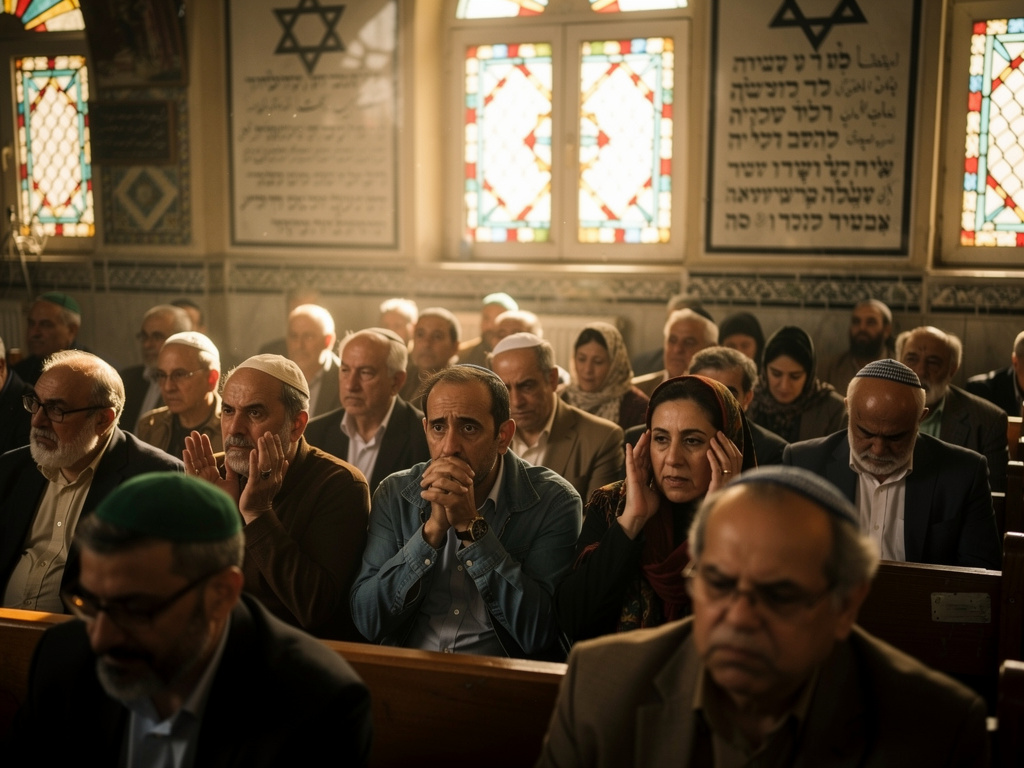
Image for cluster 10
Image Prompt:

Jewish Iranians gathered in a Tehran synagogue, documentary photography capturing their somber expressions and community resilience, soft natural light filtering through stained glass windows, with a hint of solemnity and uncertainty in the atmosphere, shot with a 50mm lens to convey intimacy and authenticity.

Summary

Recent developments in the Middle East and beyond have sparked a complex web of emotions, strategic maneuvers, and significant policy shifts. Jewish Iranians grapple with mixed feelings amidst the Iran-Israel conflict, while Iran's stance on the Strait of Hormuz reflects its broader strategy of resilience. Meanwhile, Japan has dramatically altered its defense export rules, marking a substantial departure from its post-war pacifism.

Key Points

  • Jewish Iranians experience mixed emotions during the Iran-Israel conflict, balancing loyalty to their country with the challenges posed by the Iranian government's restrictions and antisemitic rhetoric.
  • Iran's insistence on controlling the Strait of Hormuz is part of its strategic doctrine of resilience, aimed at maintaining sovereignty and economic stability despite economic pressure and military threats.
  • Japan has significantly relaxed its defense export rules, enabling the sale of advanced military equipment to other countries and signaling a major shift away from its historical pacifist stance.

Articles in this Cluster

For Jewish Iranians, war with Israel brings a flood of mixed emotions - CBS News

The article discusses the complex emotions experienced by Jewish Iranians during the recent war between Iran and Israel. Despite facing restrictions and antisemitic rhetoric from the Iranian government, many Jewish Iranians expressed their loyalty to their country and hope for peace. The article highlights the stories of three Jewish Iranians - Yacub, Deborah, and Sarah - who share their perspectives on the conflict and its impact on their lives.
Entities: Iran, Israel, Jewish Iranians, Tehran, Sukkat Shalom SynagogueTone: emotionalSentiment: negativeIntent: inform

Iran’s insistence on controlling Hormuz is penny smart, dollar foolish

The article discusses Iran's strategic doctrine of resilience in the face of conflict with the US, particularly its insistence on controlling the Strait of Hormuz. The author, Ali Amiri, an Iranian businessman, argues that demanding tolls or restricting traffic indefinitely would be self-defeating. The article highlights Iran's ability to withstand economic pressure and military superiority, citing its 'resistance economy' and 'distributed deterrence' strategies. The author suggests that Iran's actions, while perceived as provocative, are part of a broader strategy to maintain its sovereignty and economic stability.
Entities: Iran, US, Ali Amiri, Strait of Hormuz, resistance economyTone: analyticalSentiment: neutralIntent: inform

Japan opens door to global arms market with biggest export rule change in decades | CNNClose icon

Japan has made significant changes to its defense export rules, allowing it to sell warships, missiles, and other weapons to other countries. This move is seen as a major shift away from Japan's post-war pacifist stance and is aimed at strengthening its defense industrial base. The change is also driven by the ongoing wars in Ukraine and the Middle East, which are straining US weapons production, and the desire of US allies to diversify their supply chains. Japan's Prime Minister, Sanae Takaichi, stated that no single country can protect its own peace and security alone, and that partner countries that support each other in terms of defense equipment are necessary. The revision removes five export categories that had limited most military exports and will instead assess the merits of each proposed sale on a case-by-case basis. Japan will keep in place three export principles that commit it to strict screening, controls on transfers to third countries, and a ban on sales to countries involved in conflict.
Entities: Japan, Sanae Takaichi, Donald Trump, Ukraine, Middle EastTone: neutralSentiment: positiveIntent: inform