20-08-2026
The live update reports escalating military, economic and diplomatic tensions between the United States and Iran on August 19, 2026. President Donald Trump announced what he called a “crushing economic operation” against Iran, describing it as economic warfare and threatening severe consequences for countries, businesses and financial institutions that provide Tehran with assistance. He said negotiations were not currently taking place but suggested talks could resume eventually, while insisting that Iran would never obtain a nuclear weapon.
The United States is also maintaining a naval blockade of the Strait of Hormuz. U.S. Central Command said 65 vessels had been redirected since the blockade resumed on July 14, while only 10 commercial ships were confirmed to have transited the waterway on Tuesday. The strait previously carried about 25% of global oil trade, and its disruption has pushed oil prices higher. Trump said the blockade had been effective and pointed to new pipeline projects, although analysts and officials said alternatives could take years to replace the strait’s capacity.
Iran’s armed forces warned Persian Gulf states against assisting the U.S. military. The United Arab Emirates announced that it was suspending trade and financial dealings with Iran after warning residents about an incoming missile threat. In Iraq, Iranian Parliament Speaker Mohammad Bagher Qalibaf praised Iran-backed militias during a visit to Baghdad. Iraq is seeking special treatment for its oil exports because the Hormuz disruption threatens revenues that provide roughly 90% of its government budget.
The article also reports the retirement of Stars and Stripes publisher Max D. Lederer Jr., who cited fundamental differences with Pentagon leadership over the newspaper’s mission and editorial independence. Separately, concerts by Christina Aguilera and Shakira in Abu Dhabi were canceled amid the conflict. The supplied excerpt ends during that report.
Entities: Donald Trump, Iran, United States, Strait of Hormuz, United Arab Emirates • Tone: urgent • Sentiment: negative • Intent: inform
20-08-2026
U.S. President Donald Trump announced an intensified campaign of economic pressure against Iran, describing it as the “most crushing economic operation ever taken against any country” and an unprecedented form of “economic warfare and isolation.” He warned that countries, companies, financial institutions, airports, and government entities that help Tehran evade sanctions will face severe economic consequences.
Trump said the United States would target mechanisms Iran allegedly uses to sustain its economy, including oil smuggling, currency-swap arrangements, cash transfers, exchange houses, ship registries, and front companies. He also reiterated that Iran would not be allowed to obtain a nuclear weapon. The announcement expands Operation Economic Fury, a pressure campaign launched by the Trump administration in April to disrupt what Washington describes as Iran’s terrorist financing and revenue networks.
Iranian Foreign Minister Abbas Araghchi accused Washington of escalating sanctions after earlier measures failed to force Tehran into submission, arguing that the policy makes a negotiated resolution more difficult. The latest escalation followed the United Arab Emirates’ suspension of trade and financial ties with Iran after the UAE said Iran fired two ballistic missiles at its territory. Iran denied responsibility and called the allegation a false flag. The UAE had been Iran’s largest source of imports before the war.
Analysts said China represents the central test of Washington’s strategy because of its extensive trade and financial connections with Iran. Energy analyst Bob McNally said oil markets may remain relatively stable unless Iran responds militarily, while warning that a sustained reopening of the Strait of Hormuz appears less likely. Shipping through the strait remains well below pre-war levels because of attacks on vessels and a U.S. naval blockade. Brent and West Texas Intermediate crude prices rose modestly, while U.S. stock futures gave up earlier gains after Trump’s announcement.
Entities: Donald Trump, United States, Iran, Operation Economic Fury, Abbas Araghchi • Tone: urgent • Sentiment: negative • Intent: inform
20-08-2026
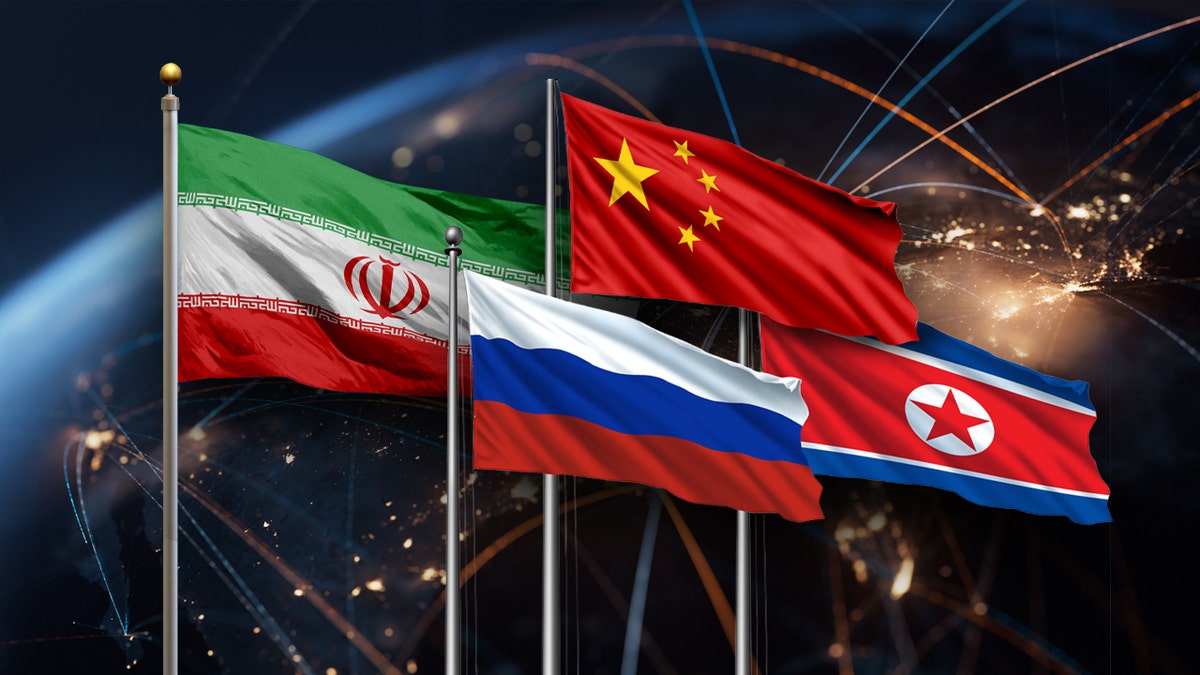
The article reports that Iran is deepening its financial and military relationships with Russia and China as it seeks to withstand renewed U.S. sanctions and President Donald Trump’s “maximum pressure” campaign. Analysts say Tehran is using non-Western institutions, particularly BRICS and the Shanghai Cooperation Organization, to reduce its vulnerability to American economic restrictions and strengthen its position within an emerging bloc that challenges U.S. influence and the dominance of the dollar.
Behnam Ben Taleblu of the Foundation for Defense of Democracies argues that Iran is adapting simultaneously to U.S. and Israeli military pressure and Washington’s political and economic efforts to isolate it. He says Iran is attempting to become more deeply integrated into economic structures led by Moscow and Beijing, whose governments also face U.S. pressure. The article portrays these ties as part of a broader alignment among authoritarian states that are increasingly able to cooperate despite their differences.
Iranian Central Bank Governor Abdolnasser Hemmati said Iran would soon join the BRICS-backed New Development Bank, although the bank itself said it could not confirm the country’s membership. Such participation, according to the article, could give Tehran additional avenues for financial cooperation outside Western-controlled systems.
The developments followed Trump’s announcement of what he called the most severe economic operation ever imposed on a country. He threatened consequences for nations and businesses that help Iran maintain an economic lifeline, describing the campaign as unprecedented “economic warfare” and isolation.
The article also cites an NBC News report that Russia has allegedly supplied Iran with ammunition, drone components and TNT through Caspian Sea shipping routes. The report relied on a European government document verified by a Western official. The supplied article ends mid-sentence while discussing Iran’s reliance on Russian technology and military support.
Entities: Iran, Tehran, United States, Donald Trump, Russia • Tone: urgent • Sentiment: negative • Intent: warn
20-08-2026
US President Donald Trump announced a new campaign to isolate Iran economically, describing it as the “most crushing economic operation ever taken against any country.” He warned that any country allowing its financial institutions, businesses, airports, or government bodies to provide Iran with “any type of lifeline” would face “tremendous” economic consequences. Trump did not specify what form the punishment would take, and he did not identify any country other than Iran by name.
The announcement comes as the war involving Iran approaches its sixth month, with no immediate diplomatic or military resolution apparent. The Strait of Hormuz, a strategically important waterway, remains significantly obstructed, adding to the conflict’s potential effects on global trade and energy supplies.
Trump’s economic threat also comes amid growing political pressure at home. With the November election approaching, he is facing renewed scrutiny over the war’s financial impact on American consumers and the strain it is placing on the US military. The article presents the campaign as an escalation of pressure against Iran at a time when the conflict continues without a clear exit strategy.
The president’s statement suggests that Washington intends to target not only Iran directly but also third countries and entities that maintain economic or logistical ties with Tehran. However, the article provides no details about possible sanctions, enforcement mechanisms, or the countries that could be affected. The announcement therefore signals a broad and potentially far-reaching policy of economic coercion, while leaving its practical consequences unclear.
Entities: Donald Trump, Iran, United States, Israel-Iran war, Islamic Republic • Tone: urgent • Sentiment: negative • Intent: inform