16-03-2026
Asia-Pacific markets fell on Monday as investors assessed elevated oil prices and the escalating U.S.-Iran conflict. U.S. crude prices hovered near $100 per barrel as the Trump administration considered military strikes on Iran's key oil export facilities. Goldman Sachs estimated that the surge in energy prices could shave 0.3% off global GDP and push headline inflation higher. Japan's Nikkei 225 and Hong Kong's Hang Seng index fell, while China's CSI 300 was down despite strong consumption and production data. Bitcoin and ether gained as stock futures rose slightly.
Entities: Asia-Pacific markets, U.S., Iran, Trump administration, Goldman Sachs • Tone: neutral • Sentiment: negative • Intent: inform
16-03-2026
The article discusses how the ongoing conflict in the Middle East, specifically the war between the US, Israel, and Iran, has affected the bond market's traditional safe-haven status. The conflict has led to a surge in oil prices, causing inflation concerns and resulting in bond yields rising alongside equity sell-offs. Experts cite the sharp rise in oil prices as the reason for bonds defying their safe-haven status, as inflation risks increase and bond investors demand higher returns to compensate for potential losses in purchasing power. The article highlights the unusual correlation between bond and equity returns during this period, with both moving together in response to inflation concerns. Analysts warn against making premature assumptions about the conflict's evolution and its impact on markets.
Entities: US, Israel, Iran, Donald Trump, Pete Hegseth • Tone: neutral • Sentiment: negative • Intent: inform
16-03-2026
European stocks started the week positively despite Middle East unrest and high oil prices. The Stoxx 600 rose 0.2%, with major indices like FTSE, DAX, and CAC also trading higher. Oil prices are set for weekly gains despite a US license allowing countries to buy Russian oil. The US and Israel's military operation against Iran is a key market focus, with US crude prices exceeding $100 per barrel. Central banks, including the US Federal Reserve, are holding policy meetings this week.
Entities: European stocks, Stoxx 600, FTSE, DAX, CAC 40 • Tone: neutral • Sentiment: negative • Intent: inform
16-03-2026
The article discusses how the recent conflict in Iran has led to a surge in retail investors pouring money into oil-linked exchange-traded funds (ETFs), drawing parallels with past retail trading frenzies in stocks like GameStop or commodities like silver. Analysts warn that the crude oil market could be exposed to 'meme-style' trades, fueled by geopolitical tensions and volatility. While some experts see this as a speculative playground for retail investors, others caution that the same volatility could quickly turn against them.
Entities: Viraj Patel, Vanda Research, United States Oil Fund (USO), United States Brent Oil Fund (BNO), Tom Sosnoff • Tone: neutral • Sentiment: negative • Intent: inform
16-03-2026
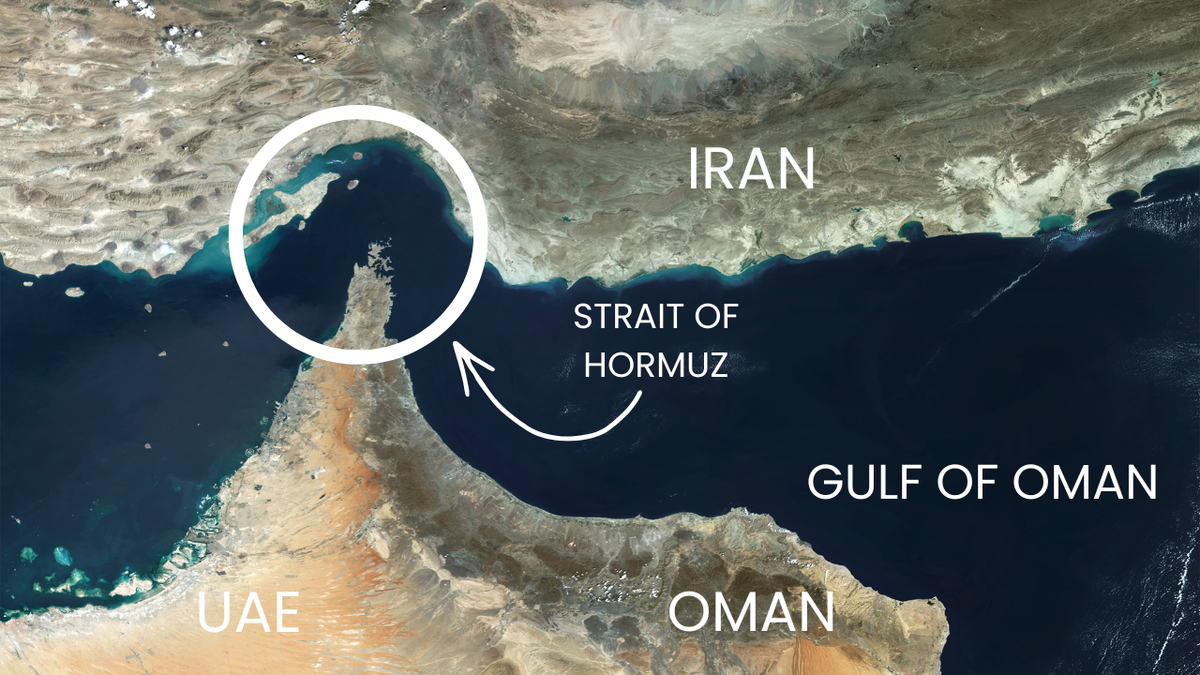
US President Donald Trump has hinted at a possible delay to his upcoming summit with Chinese leader Xi Jinping in Beijing, citing China's lack of cooperation in reopening the Strait of Hormuz. Trump expects China to help resolve the issue before his trip, but data suggests China may be less affected by the disruption than Trump claimed. The US and China are increasing pressure on each other ahead of the summit, with the US launching trade investigations into several countries and China responding by lodging representations with Washington.
Entities: Donald Trump, Xi Jinping, Beijing, Strait of Hormuz, China • Tone: neutral • Sentiment: negative • Intent: inform
16-03-2026
US President Donald Trump has urged countries reliant on oil shipments through the Strait of Hormuz to help secure the waterway, arguing that they benefit more from it than the US. Trump claimed that about 90% of China's crude imports pass through the strait, while the US only relies on it for '1%, 2%' of its oil. Several ships have been damaged in the strait since the US and Israel attacked Iran last month, and vessel traffic has effectively come to a standstill. Trump said the US is talking to about seven countries, but so far, no country has publicly announced plans to deploy warships to the strait. Trump warned that 'we will remember' whether countries help or not.
Entities: Donald Trump, Strait of Hormuz, China, Iran, United States • Tone: negative • Sentiment: negative • Intent: inform
16-03-2026
The article provides live updates on the escalating conflict between the US and Iran, with a focus on the Strait of Hormuz crisis. President Donald Trump has urged China and US allies to help secure the vital waterway, but so far, no firm commitments have been made. Israel has announced 'limited and targeted' ground operations against Hezbollah in south Lebanon, and fresh strikes have rocked the region. The conflict has led to a spike in oil prices, with EU energy ministers set to discuss ways to curb rising energy costs. The US House of Representatives is expected to vote on a war powers resolution to rein in Trump's authority to engage in the war with Iran.
Entities: Donald Trump, China, Strait of Hormuz, Iran, Israel • Tone: neutral • Sentiment: negative • Intent: inform
16-03-2026
President Donald Trump has called for an international coalition to secure the Strait of Hormuz, a critical waterway for global oil shipping, amid escalating tensions with Iran. Trump stated that the US has already destroyed 100% of Iran's military capability, but Iran can still pose a threat to the strait. He urged countries reliant on oil tankers from the strait, such as China, France, Japan, South Korea, and the UK, to share the responsibility of keeping it open and safe. Trump vowed to continue bombing Iranian military targets and shooting down Iranian boats and ships. However, none of the countries mentioned gave an immediate indication that they would join the coalition. Iranian Foreign Minister Abbas Araghchi claimed that China and Russia are supporting Iran's defense against US and Israel-led aggression.
Entities: Donald Trump, Iran, Strait of Hormuz, United States, China • Tone: analytical • Sentiment: negative • Intent: inform
16-03-2026
The UK is considering deploying drones to the Middle East to help secure the Strait of Hormuz, a key shipping lane, after Iran closed it, causing oil prices to spike. The UK government is exploring the use of two types of drones: mine-hunting drones and interceptor drones. Mine-hunting drones can detect and neutralize sea mines, while interceptor drones can destroy Iranian Shahed-type drones used by Russia in Ukraine. The UK has four mine-hunting drone systems in operation or development, and has begun large-scale production of advanced interceptor drones to help Ukraine defend against Russian aerial assaults. The deployment of drones is seen as a potential solution to help reopen the Strait of Hormuz and reduce the disruption to global shipping.
Entities: UK, Iran, Strait of Hormuz, Donald Trump, Sir Keir Starmer • Tone: neutral • Sentiment: negative • Intent: inform
16-03-2026
President Trump warned that NATO faces a 'very bad' future if its allies fail to help reopen the Strait of Hormuz, a critical waterway for global oil supplies, amid escalating conflict with Iran. Trump called on European nations and other global powers to join a US-led effort to secure the strait, citing their heavy dependence on oil from the region. He also expressed frustration with the UK's response to the crisis and hinted at delaying his upcoming summit with China's President Xi Jinping unless Beijing provides support. International oil prices surged to $106 a barrel as the conflict intensified, with Trump signaling potential new strikes on Iranian oil infrastructure.
Entities: President Trump, NATO, Strait of Hormuz, Iran, US • Tone: negative • Sentiment: negative • Intent: inform
16-03-2026
China's economy began 2026 on a strong note, with retail sales and fixed-asset investment rising. The country's industrial output grew 6.3% in January and February compared to the same period last year, beating market expectations. Retail sales increased by 2.8% year on year, driven by a surge in spending during the extended Chinese New Year break. While the data is positive, analysts caution that the imminent energy crisis caused by the US-Israel war in Iran may present challenges for Beijing and the global economy. The strong economic indicators will help Beijing achieve its economic growth target of 4.5-5% and mitigate deflationary pressures.
Entities: China, Beijing, Iran, US, Israel • Tone: neutral • Sentiment: positive • Intent: inform