15-04-2026

Global Economic Concerns Amid US-Iran Conflict Escalate

Date: 15-04-2026
Sources: bbc.com: 1 | cnbc.com: 1 | edition.cnn.com: 1 | straitstimes.com: 1
Image for cluster 12
Image Source:

Source: edition.cnn.com

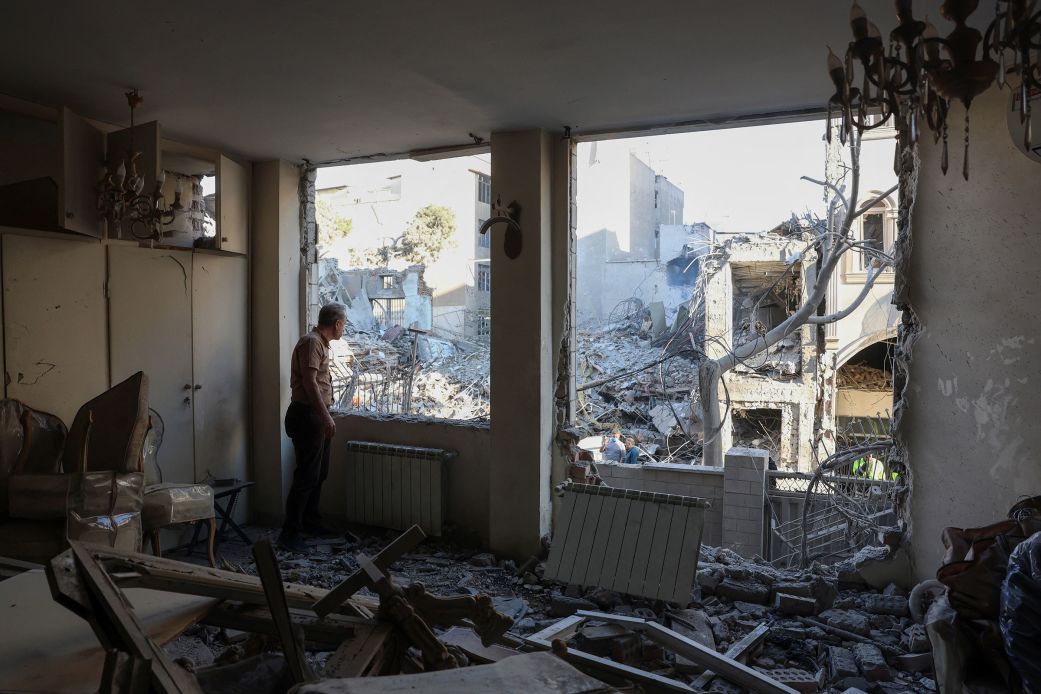
Image content: The image depicts a man standing in a severely damaged room, surrounded by debris and destruction. The main subject is the man, who is visible from behind, wearing a cap and dark pants, and is standing near a large window that has been blown out. The room is littered with broken furniture and rubble, and the surrounding buildings outside the window are also heavily damaged. Here is a concise 2-3 sentence description of the image: A man stands in a destroyed room with a large blown-out window, surrounded by debris and broken furniture. The surrounding buildings outside are heavily damaged, with rubble and destruction visible. The scene is one of devastation and chaos.

Summary

The escalating US-Iran conflict has raised concerns about global economic stability, with the International Monetary Fund warning of a potential recession due to rising oil prices and disrupted energy supplies. Despite this, US Treasury Secretary Scott Bessent believes the US economy remains strong and could exceed 3% or 3.5% growth this year.

Key Points

  • The IMF has warned that the conflict could plunge the global economy into recession, with oil prices potentially reaching $110 per barrel this year and $125 in 2027.
  • The UK is forecast to be the hardest hit among advanced economies, with growth cut to 0.8% this year.
  • US Treasury Secretary Scott Bessent believes a 'small bit of economic pain' is a worthwhile trade-off for long-term international security.
  • European stocks are expected to open mixed as traders assess the conflict and potential peace talks.
  • The conflict has led to a rise in energy prices, with potential consequences including spiralling inflation, unemployment, and food insecurity.

Articles in this Cluster

'Bit of pain' worth long-term security from Iran, Bessent tells BBC

US Treasury Secretary Scott Bessent has stated that a 'small bit of economic pain' is a worthwhile trade-off for long-term international security in the face of the Iran conflict. The International Monetary Fund (IMF) has warned that the conflict could plunge the global economy into recession, with potential severe conditions including oil prices reaching $110 per barrel this year and $125 in 2027. The IMF forecasts that the UK will be the hardest hit among advanced economies, with growth cut to 0.8% this year. However, some countries like Russia are expected to benefit from the surge in oil prices. The conflict has already led to a rise in energy prices and has the potential to cause spiralling inflation, push up unemployment, and lead to food insecurity in some countries.
Entities: Scott Bessent, International Monetary Fund (IMF), Iran, US, IsraelTone: neutralSentiment: negativeIntent: inform

European markets: Stox 600, FTSE, DAX, CAC, Iran latest, oil prices

European stocks are expected to open mixed on Wednesday as traders assess the U.S.-Iran conflict and potential peace talks. The FTSE 100 is predicted to rise 0.12%, while Germany's DAX and France's CAC 40 are expected to fall. Oil prices have dropped amid hopes of a diplomatic solution. A White House official revealed that a second round of U.S.-Iran negotiations is being discussed, although no schedule has been set. Earnings reports from ASML, Hermes International, and Antofagasta are due on Wednesday, along with EU industrial production figures.
Entities: European stocks, U.S.-Iran conflict, FTSE 100, DAX, CAC 40Tone: neutralSentiment: positiveIntent: inform

Economists at IMF issue stark warning that Iran war could tip world toward recession | CNN BusinessClose icon

The International Monetary Fund (IMF) has warned that the ongoing war in Iran could tip the world towards a recession. The IMF has downgraded its forecast for global economic growth to 3.1% in 2026, citing the conflict's potential to cause a global 'energy crisis on an unprecedented scale.' The war has already led to the closure of the Strait of Hormuz, disrupting global oil and gas supplies, and causing prices to rise. Economists and organizations, including the Asian Development Bank and the United Nations, are warning of the devastating economic impacts of a prolonged conflict. Australian Treasurer Jim Chalmers has described the situation as a 'very serious, very dangerous time for the world.' The IMF has outlined scenarios where a longer-lasting conflict could lead to global economic growth as low as 2%, amounting to 'a close call for a global recession.'
Entities: International Monetary Fund (IMF), Iran, Pierre-Olivier Gourinchas, Middle East, United StatesTone: negativeSentiment: negativeIntent: inform

US Treasury chief Bessent says US growth may exceed 3% or 3.5% this year despite Iran war | The Straits Times

US Treasury Secretary Scott Bessent stated that the US economy remains strong and could exceed 3% or 3.5% growth this year despite the impact of the US-Israeli war on Iran. He criticized the IMF and World Bank's cuts in global growth forecasts as an over-reaction. Bessent also commented on US tariffs, suggesting they could return to previous levels by July. The war has raised oil prices and shaken markets globally, with the blockade of the Strait of Hormuz affecting 20% of global oil and natural gas exports.
Entities: Scott Bessent, US, Iran, International Monetary Fund, World BankTone: neutralSentiment: positiveIntent: inform