14-07-2026
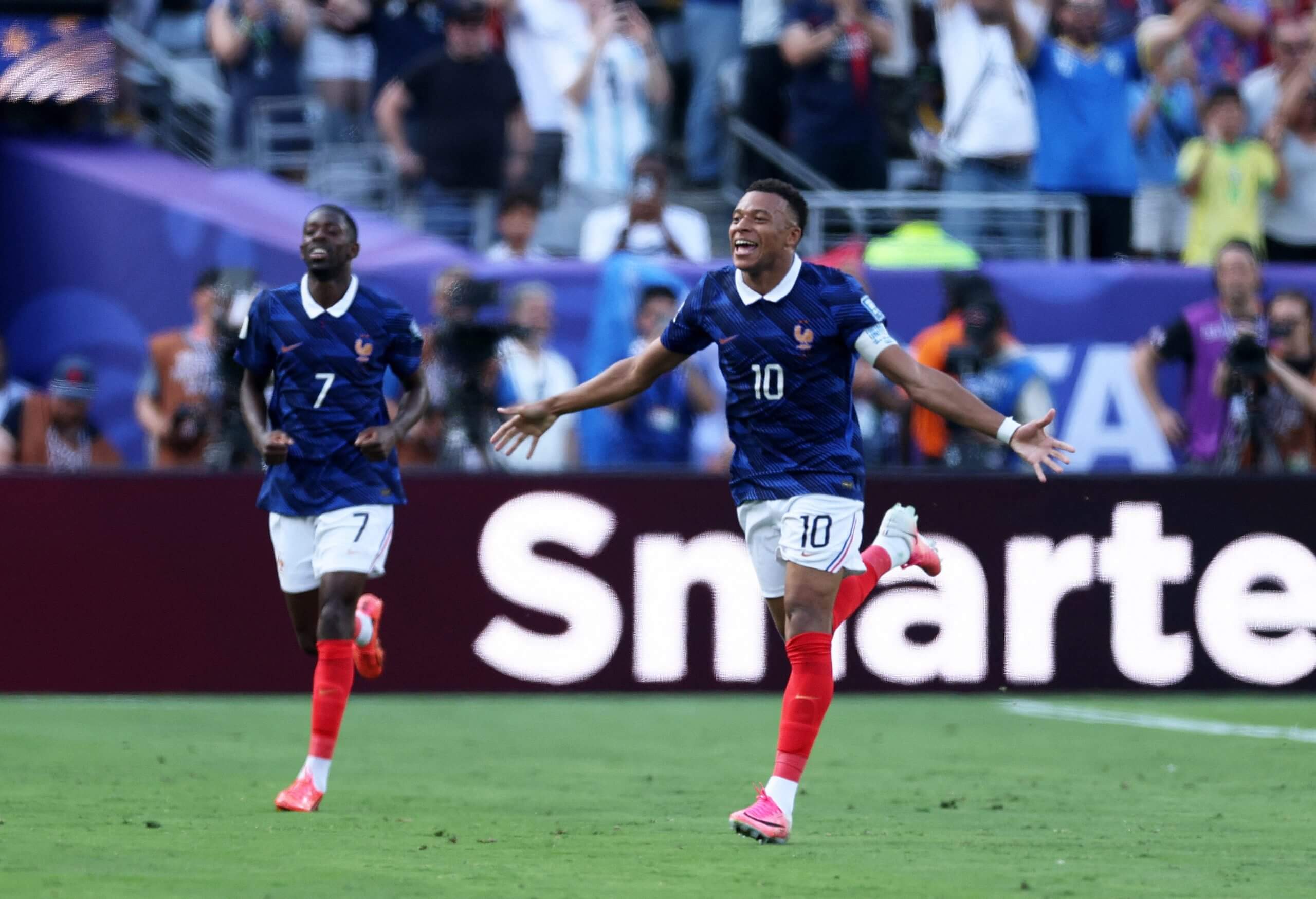
The article previews the 2026 FIFA World Cup semifinals, highlighting how a revamped tournament format and seeding system placed the top four teams—Spain, France, Argentina, and England—on opposite sides of the bracket and set up two marquee matchups. France meets Spain on Tuesday in Arlington, Texas, in a contest framed as a clash of elite attack versus elite defense. France arrives with the tournament’s most dangerous offense, led by Kylian Mbappé, Ousmane Dembélé, and Michael Olise, while Spain has allowed only one goal through six matches and may be on the verge of a record-setting defensive run. Spain’s young star Lamine Yamal, though still not fully back to his best after a hamstring injury, remains a major focus. The article notes that both managers are cautiously aware of the stakes and the indoor venue may remove the heat and humidity that shaped earlier matches.
The second semifinal, Argentina vs. England on Wednesday in Atlanta, carries historical weight. Argentina, the defending champion from 2022, has survived several close calls in the knockout rounds, often needing extra time or late comebacks. Lionel Messi, likely appearing in his final World Cup at age 39, remains central with eight goals and two assists. England, meanwhile, seeks its first World Cup final appearance since 1966, after hard-fought wins over Mexico and Norway. The team has been tested physically and disciplinarily, including a suspension for defender Jarell Quansah. The article also frames the Golden Boot race as a subplot, with Messi and Mbappé tied on goals and both still having a chance to finish as the tournament’s top scorer. Overall, the piece emphasizes the high quality, historical significance, and dramatic stakes of both semifinal matches.
Entities: FIFA World Cup, France, Spain, Argentina, England • Tone: analytical • Sentiment: neutral • Intent: inform
14-07-2026
This Athletic preview article breaks down the upcoming World Cup semifinal between France and Spain, focusing on how each team has reached the last four, what tactical patterns define them, and which players could decide the match. France enter with momentum and a fearsome attack led by Kylian Mbappe, Ousmane Dembele, Michael Olise, and Desire Doue, while also showing improved defensive solidity after a shaky start to the tournament. Spain, meanwhile, have advanced through a more controlled, possession-heavy style, relying on Rodri’s midfield control, their aggressive counter-pressing, and late goals from substitutes such as Mikel Merino. The piece frames the matchup as a collision between France’s adaptable, direct, high-end attacking talent and Spain’s structured, patient, possession-based identity.
The article also notes the broader stakes: the winner will face either England or Argentina in the World Cup final at MetLife Stadium. It gives basic viewing information by country and emphasizes that France and Spain are the world’s top two ranked teams. Individual player analysis highlights Mbappe as France’s obvious star, but argues Michael Olise has been exceptionally influential because of his creativity and end product. For Spain, Lamine Yamal is presented as the headline talent, though Rodri is described as the team’s most essential figure overall. The article’s main purpose is to preview the tactical and personnel battlegrounds that will shape a marquee semifinal.
Entities: France, Spain, Kylian Mbappe, Ousmane Dembele, Michael Olise • Tone: analytical • Sentiment: neutral • Intent: analyze
14-07-2026
This article updates The Athletic’s ranking of the top 50 players at the 2026 World Cup after the quarter-finals, using the publication’s player ratings model to assess individual contributions. With four teams left, Lionel Messi remains No. 1, though Kylian Mbappe is pressing him closely after another decisive performance. Jude Bellingham surges to third after starring in England’s run to the semifinals, while Harry Kane, Erling Haaland, Michael Olise, Ousmane Dembele, and several others shift up or down based on recent knockout-round form.
The rankings reflect both individual brilliance and team progress, with players from eliminated sides still retained in the list. France places multiple players near the top, including Mbappe, Dembele, Dayot Upamecano, and William Saliba, while Spain’s strong defensive core is represented by Aymeric Laporte, Pau Cubarsi, Rodri, and Lamine Yamal. England’s rise is driven by Bellingham, Kane, and the big jump for Elliot Anderson. The article also highlights standout performances from players on eliminated teams such as Vinicius Jr., Achraf Hakimi, Ismael Saibari, Diogo Costa, and Julian Quinones.
Overall, the piece is a running evaluation of tournament form rather than a narrative match report, and it combines analysis with light, conversational commentary as it tracks who has risen, fallen, and who might still challenge Messi for the top spot.
Entities: Lionel Messi, Kylian Mbappe, Jude Bellingham, Harry Kane, Erling Haaland • Tone: analytical • Sentiment: neutral • Intent: analyze